
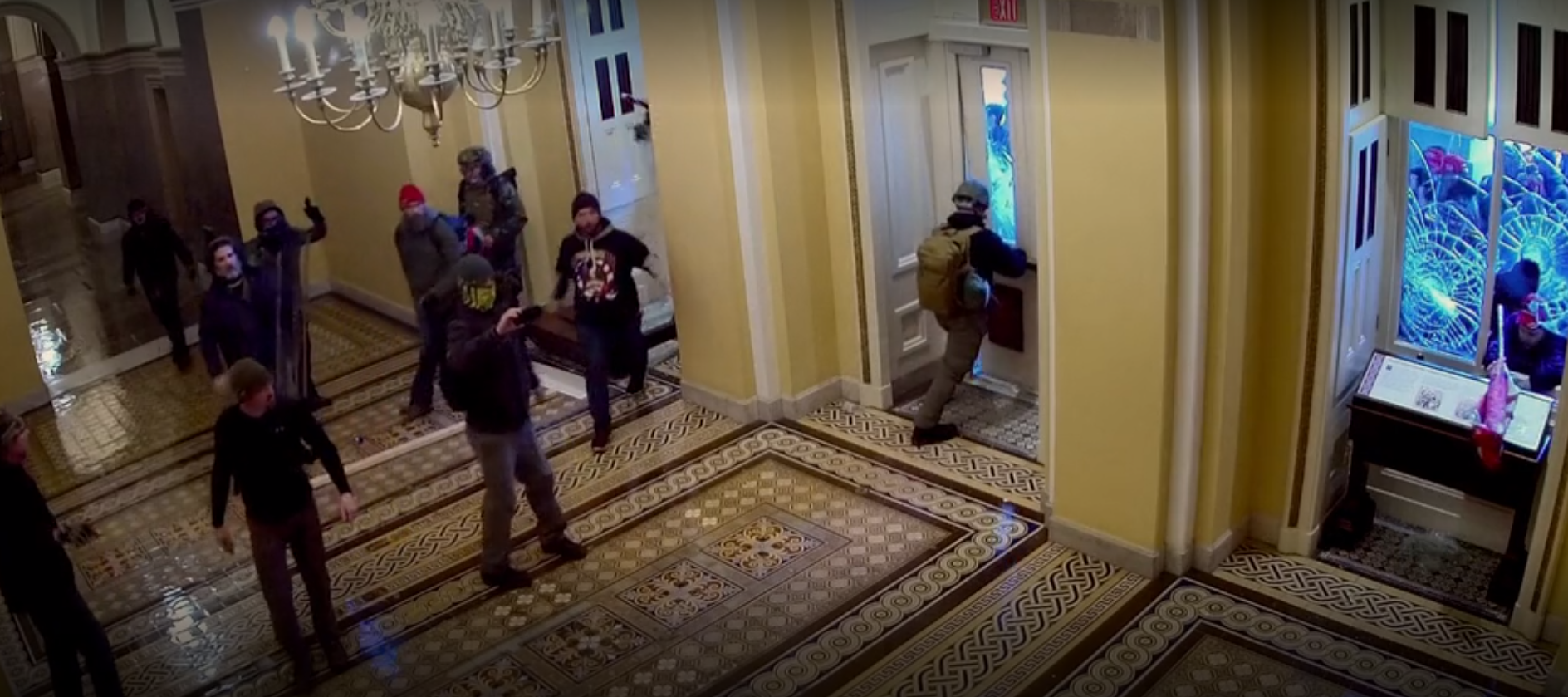
The order closes a major chapter in the federal response to the U.S. Capitol attack. It also shows the limits of judicial power when prosecutors decide a case should end.
A federal judge dismissed the final January 6 riot-related criminal case, and the judge criticized the Justice Department in unusually sharp terms. U.S. District Judge Amit Mehta described the dismissal as reluctant in the case involving Oath Keepers defendants tied to the January 6, 2021, attack on the U.S. Capitol.
The phrase “Judge slams the Justice Department” fits the tone of the order, but the legal point is more precise: Mehta said he disagreed with the department’s request and still concluded he had to grant it.
The last case is closed
Mehta’s order dismissed cases against nine people connected to the Oath Keepers, the far-right group whose leaders and members became central figures in some of the most serious prosecutions to follow the Capitol riot.
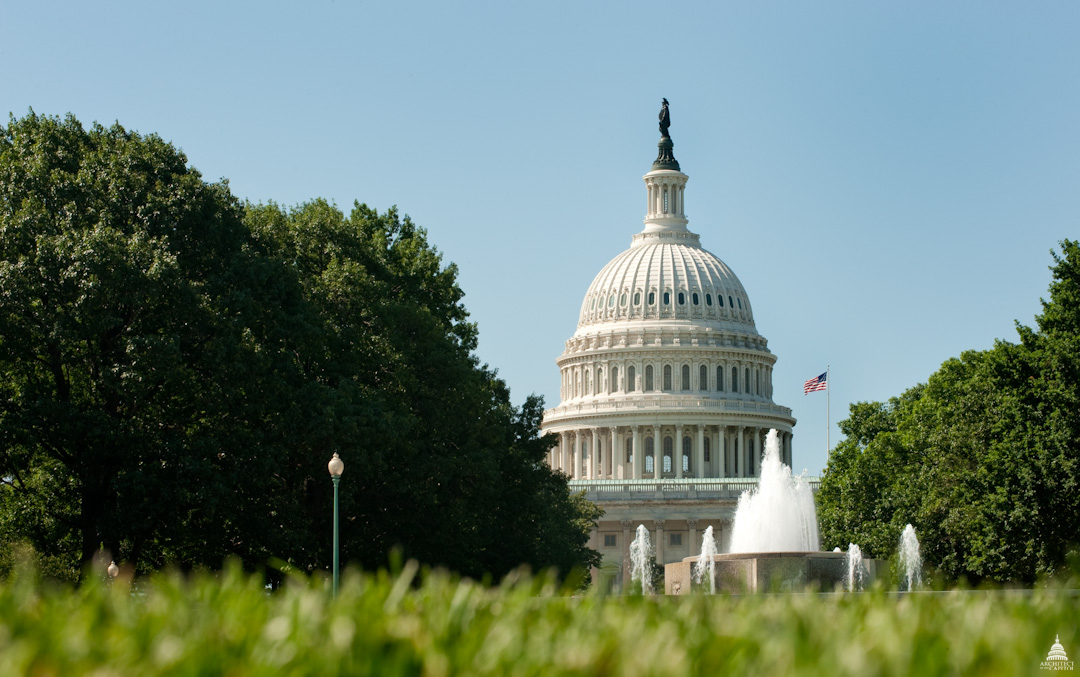
In the order, Mehta wrote that this was “the last of the prosecutions seeking to hold accountable those responsible for the events of January 6,” according to CNN’s account of the ruling. He added: “That book is now closed.”
That line matters because the January 6 prosecutions were not one case or one trial. They became a yearslong federal project involving hundreds of defendants, different levels of conduct and a broad debate over punishment, politics and the peaceful transfer of power.
The case Mehta dismissed was among the most symbolically loaded because it involved seditious conspiracy, a rarely used charge that prosecutors brought against members of the Oath Keepers and the Proud Boys in separate cases.
Why Mehta called it reluctant
Mehta did not hide his view of the Justice Department’s move. In the order, he wrote that “today’s epilogue diminishes the gravity of that day,” denigrates the work of prosecutors and law enforcement officers, and excuses criminal acts that caused “a centuries-long pillar of our democracy — the peaceful transfer of presidential power” to buckle.
He also wrote that the government was asking to “absolve these Defendants of crimes against the United States itself.” In his view, that was “not in the public interest.”
So why dismiss the case anyway? Because federal prosecutors, not judges, generally control charging decisions. Mehta said the court “strongly” disagreed with the Justice Department, but disagreement by itself was not a valid legal basis to deny the government’s motion.
That is the core tension in the order. Mehta used his ruling to register a strong institutional objection, then acknowledged that the executive branch has primacy when deciding whether to pursue or abandon criminal charges.
Trump’s clemency changed the terrain
The dismissal did not arrive in isolation. It followed President Donald Trump’s commutations and pardons for people involved in the January 6, 2021, attack, an action taken early in his second term, according to CNN.
Those clemency decisions reshaped the practical stakes of pending January 6 cases. Once sentences are commuted or convictions pardoned, the Justice Department’s choices about whether to continue litigating can become both legally consequential and politically explosive.
Mehta’s order reflects that reality. The judge was not merely processing a routine motion. He was closing the file on a prosecution that had already been overtaken by presidential clemency and a new Justice Department position.
Supporters of Trump’s actions have argued that January 6 defendants were treated too harshly or that the prosecutions were politically driven. Critics see the pardons, commutations and dismissals as a reversal of accountability for an assault on Congress during the certification of the 2020 election results.
The Oath Keepers case carried weight
The Oath Keepers prosecution was not just another January 6 case. It was the first to bring seditious conspiracy charges against members of the mob, and it became one of the government’s highest-profile efforts to prove organized planning around the Capitol attack.
Mehta oversaw the case against Oath Keepers leaders and members, including the sentencing of founder Stewart Rhodes. Rhodes received an 18-year prison sentence for his actions surrounding January 6, CNN reported.
At sentencing, Mehta said Rhodes had organized Oath Keeper teams that he helped bring to Washington, D.C., and gave orders to go into the Capitol. Some Oath Keepers entered the building in a visible stack formation and confronted police officers inside.
Prosecutors also described a quick-reaction force staged in Virginia with firearms and ammunition. That force was not used, organized or deployed on January 6, but it was part of the government’s evidence about planning and intent.
The court’s power had limits
The striking feature of Mehta’s ruling is that it separates moral and civic judgment from legal authority. He said the Justice Department’s request was wrong for the public interest, but he also said the court could not “write a different ending.”
That distinction is central to how federal criminal cases work. Judges can reject some motions, scrutinize plea agreements, impose sentences and explain their reasoning. But the Constitution gives the executive branch broad authority over prosecution decisions.
That does not make the Justice Department immune from criticism. Mehta’s order is evidence of the opposite. A judge can put a public marker in the record, especially when the case concerns conduct aimed at Congress and the transfer of presidential power.
Still, the practical result is the same: the final January 6 riot-related criminal case has been dismissed. The legal machinery that once moved toward trials, convictions and sentences has now come to a stop.
What remains unresolved
The dismissal closes the criminal docket, but it does not settle the public argument over January 6. The central dispute now shifts further away from courtrooms and toward politics, history and institutional memory.
For the Justice Department, the question is how this decision will be understood inside an agency whose prosecutors spent years building January 6 cases. Mehta’s order explicitly defended the work of prosecutors and law enforcement officers who secured convictions.
For the courts, the ruling is a reminder that judges can condemn a result without being able to block it. That can look unsatisfying, especially in a case tied to violence at the Capitol, but it is also part of the separation of powers Mehta said he was bound to respect.
The cleanest takeaway is also the bleakest for those who wanted the prosecutions to end differently: the judge objected, the Justice Department prevailed, and the final January 6 criminal case is over.



Leave a Reply