

The striking part is not just that LeBron James was reportedly connected to New York. It is that the Knicks’ reported answer shows how much they valued continuity over a superstar swing.
Before this becomes a simple “Knicks said no to LeBron” story, the important distinction is what the available reporting actually says. According to reporting attributed to Hoops Wire’s Sam Amico and carried by Larry Brown Sports and Yardbarker, James’ camp reached out to the New York Knicks during free agency, and the Knicks had no interest in pursuing him.
That is different from a fully detailed contract chase, and the public record does not lay out every step. But the reported decision still says plenty: New York apparently preferred the team it already had to the complications that would come with adding one of the most consequential players in NBA history.
The report is about restraint, not just rejection
The cleanest version of the story is this: James’ side made contact, and the Knicks did not move forward. The available reporting does not establish the terms of a possible deal, a formal offer, or any exact roster mechanics that would have been required.
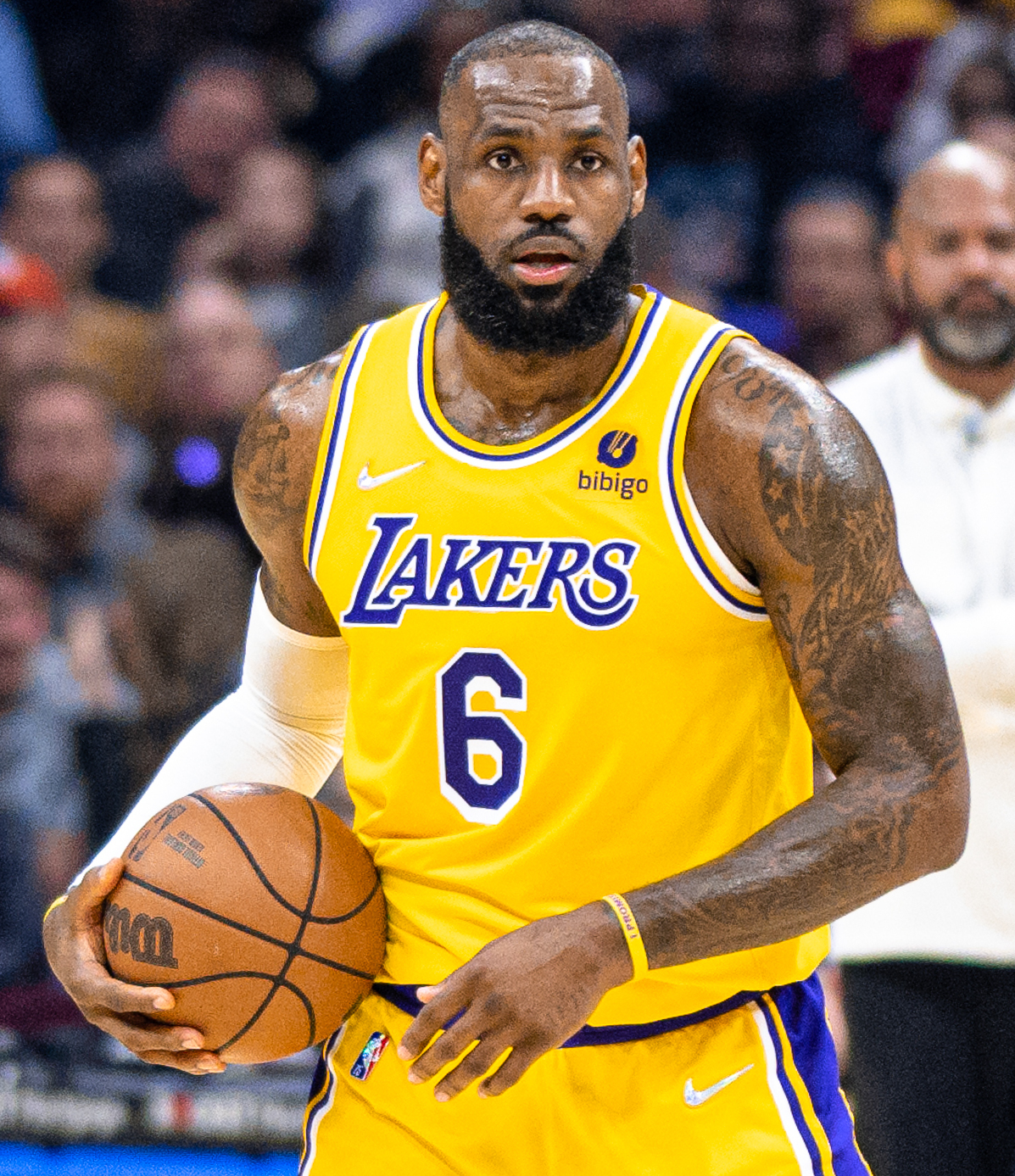
That matters because NBA free agency often runs through exploratory conversations. A star’s camp can test interest. A team can decline to pursue. Neither detail automatically means negotiations were close.
Even with that caveat, the Knicks’ reported stance is unusual because of who was involved. Teams usually reorganize themselves around a chance at James-level talent. New York reportedly chose not to start down that path.
Why the Knicks reportedly stayed with their own group
Amico’s reporting, as cited by Larry Brown Sports and Yardbarker, said the Knicks believed they were good enough as constructed and did not want to disrupt their current roster.
That explanation turns the story away from name value and toward team management. The Knicks were not simply deciding whether LeBron James can still help a basketball team. They were weighing what his arrival might change.
Any addition of James would bring attention, role questions and a different center of gravity. For some teams, that is exactly the appeal. For a team that reportedly trusts its current core, the same move can look less like a shortcut and more like a disruption.
The reporting also describes New York’s group in title-winning terms, though that context should be understood as part of the reports’ framing rather than a separate on-record explanation from the Knicks in the available material.
Rich Paul’s earlier comment now reads differently
The report also connects to earlier comments attributed to Rich Paul, James’ longtime agent. Paul reportedly said earlier in the offseason that James would have gone to the Knicks if they had not just won an NBA title.
That comment had a different feel before the latest reporting. It could be read as James avoiding the optics of joining a team already framed as a champion.
With the new report, the emphasis shifts. If James’ camp reached out and the Knicks did not want to pursue him, then New York may have played a larger role in closing off the possibility than previously assumed.
That still does not prove how far anything advanced. It only supports the narrower point that there was reported interest from James’ side and reported reluctance from the Knicks.
The Philadelphia comparison raises the competitive stakes
The same reporting also said the Knicks believe they are better than the Philadelphia 76ers. That comparison is notable on its own, even without adding unsupported certainty about James’ exact Philadelphia status from the available extracted material.
For New York, the reported belief reinforces the larger theme: the Knicks do not sound, in these reports, like a team operating from insecurity. They reportedly saw no need to chase the most famous name available just to keep pace with another Eastern Conference team.
That confidence can age in two very different ways. If the Knicks keep winning with the roster they protected, the decision will look disciplined. If the group falls short, the reported pass on James will be revisited as a rare moment when a franchise declined to chase a superstar.
The team-stacking debate was part of the backdrop
Larry Brown Sports noted that James has received criticism from some corners for what is perceived as “team stacking.” That context helps explain why a Knicks pursuit would have been more than a basketball transaction.
Had James taken a major discount to join a team already described in championship terms, the reaction likely would have been intense. The Knicks may have avoided that spotlight by staying out of the chase, though the available reporting does not say public backlash drove their decision.
The supported reasoning remains narrower: New York reportedly believed in its roster and did not want to disrupt it. That is enough to make the story stand out.
What is clear, and what is not
What appears supported is the basic sequence: James’ camp reportedly contacted the Knicks, the Knicks reportedly had no interest in pursuing him, and the explanation in Amico’s reporting centered on confidence in New York’s current roster.
What is not established in the available material is just as important. There is no detailed Knicks explanation in the extracted record, no confirmed financial structure, and no clear account of how close any move could have become.
That leaves the story in a precise but still compelling place. The Knicks did not necessarily reject a completed deal. They reportedly declined to pursue the possibility. In a league built around star hunting, that kind of restraint is the part that makes the report matter.








Leave a Reply