

The strikes ended a brief pause in fighting and pushed attention back to Iraq, Jordan and the Strait of Hormuz. Oil prices jumped as each side signaled it was prepared to keep responding.
Jordan’s air defenses intercepted five missiles launched from Iran early Wednesday, the Jordanian military said, as U.S. and Saudi Arabia launched strikes against militias in Iraq amid the renewed regional fighting. The attacks pulled Jordan, Iran, Iraq, Saudi Arabia and the United States back into a dangerous Middle East cycle after a short lull: missiles over Jordan, American and Saudi aircraft targeting Iran-backed militias, and oil markets reacting fast.
According to The Associated Press, the latest exchange came hours after U.S. forces said they had knocked down an Iranian missile barrage aimed at American forces in the Middle East. The immediate stakes are not only military; they stretch from Iraqi sovereignty to Saudi energy security and the Strait of Hormuz, the oil chokepoint at the center of the broader confrontation.
A short lull breaks
Jordan’s military said the five missiles launched from Iran were “intercepted and destroyed.” That wording matters because Jordan is often treated as a buffer state in regional crises, not the main theater. This time, its airspace and military defenses were directly involved.
Iran’s state-run IRNA news agency carried a statement from the paramilitary Revolutionary Guard saying its Aerospace Force fired ballistic missiles at Muwaffaq Salti Air Base and what it described as the headquarters of U.S. Central Command in Jordan. Jordan’s announcement did not frame the interceptions as symbolic; it presented them as an immediate air-defense operation against incoming missiles.
The reported launches shattered what had been a brief pause in the fighting. The United States and Iran had gone roughly three days without announced attacks after weeks of escalation tied to the Strait of Hormuz and attacks on U.S.-linked targets.
That pause was fragile from the start. Once missiles were again in the air and strikes resumed in Iraq, the conflict’s geography widened in a way that makes miscalculation more likely.
Why Iraq was hit
U.S. Central Command said American and Saudi forces struck sites in eastern Iraq used by Tehran-backed militias. CENTCOM described the targets as logistics and weapons sites and said the strikes were a response to more than 30 drone attacks it attributed to Iran’s Revolutionary Guard and affiliated groups over the previous 72 hours.
The U.S. military also warned that further attacks on American troops or Saudi Arabia’s energy infrastructure could trigger additional action. Saudi Arabia’s Defense Ministry acknowledged the strikes and said the kingdom did not seek escalation but would respond to aggression.
The Popular Mobilization Forces, a coalition of mostly Shiite, Iran-backed armed groups that is formally part of Iraq’s security structure, said at least 20 fighters were killed and 32 were wounded in the overnight strikes. Those figures came from the PMF, and neither the full target list nor an independent damage assessment was immediately clear from the available reporting.
The PMF’s position inside Iraq’s state system makes every strike politically combustible. The groups helped fight the Islamic State after 2014 and were designated an independent military formation within Iraq’s armed forces in 2016, but several member militias have continued to operate with significant autonomy and some have launched attacks on U.S. facilities.
Baghdad is squeezed again
Iraqi Prime Minister Ali al-Zaidi called an emergency meeting of the National Security Council to discuss the strikes, according to the AP report. That move underscored Baghdad’s central dilemma: it wants to prevent Iraq from becoming a launchpad for attacks, but it also faces the political cost of foreign airstrikes on Iraqi territory.
Iraq’s military said the country is committed to preventing its territory from being used as a route or launching point for attacks on “brotherly or friendly countries.” That statement was aimed at Saudi claims that drones had been fired from Iraq, but it also speaks to a larger sovereignty problem.
The militias have denied involvement in the drone attacks cited by Saudi Arabia. The Islamic Resistance in Iraq, an umbrella group of Iran-backed armed factions, called the Saudi allegations “fabrications” and suggested the attacks may have come from Yemen’s Houthi rebels, who have also claimed attacks on Saudi-linked targets.
That dispute leaves a dangerous evidentiary gap. The U.S. and Saudi Arabia say militia-linked sites in Iraq were tied to recent attacks. The militias deny the claims. Baghdad is left trying to prove control over armed groups that are partly inside the state and partly outside its command.
Oil markets felt it quickly
The renewed hostilities sent oil prices higher. Brent crude, the international benchmark, rose 3.1% to $84.58 a barrel, AP reported.
The market reaction was not just about the missile interceptions or the Iraq strikes. It was also about the Strait of Hormuz, the narrow Persian Gulf waterway through which about 20% of the world’s traded oil normally moves.
Iran’s deputy foreign minister, Kazem Gharibabadi, said Tehran had rejected an Omani proposal for managing ship traffic through the strait. The proposal, as described in Iranian state media, would have divided the strait into two routes, each handling half of passing shipping.
Gharibabadi said Iran offered a counterproposal involving a temporary plan for vessels moving through Iranian territorial waters. He also said Iran’s policy is for the strait “never to return to its prewar situation,” a line likely to worry energy traders, shipping companies and governments dependent on Gulf oil.
The political pressure is widening
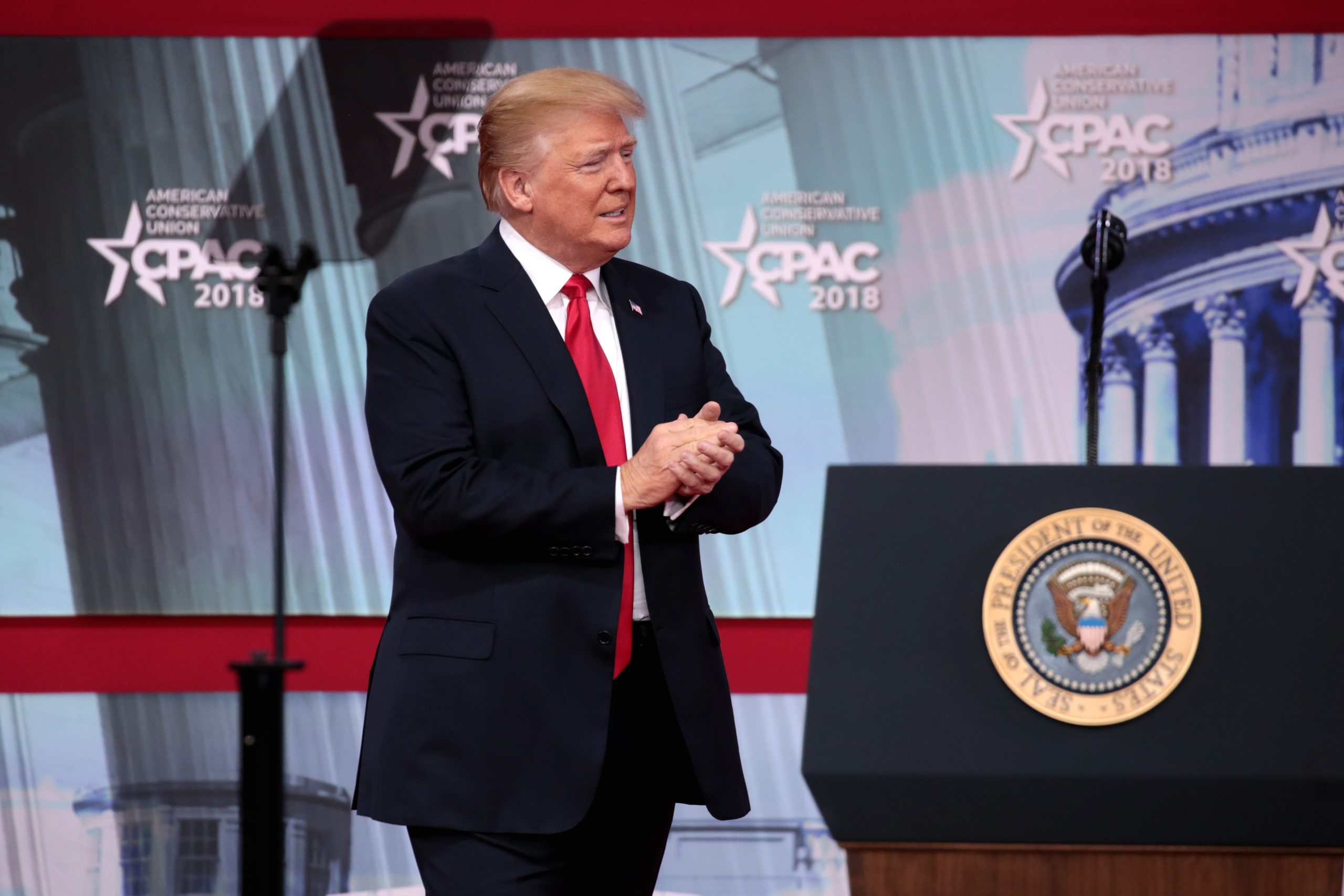
The escalation lands at a difficult moment for U.S. President Donald Trump. The AP reported that four U.S. troops had died during the recent fighting, while the Pentagon has sought money from an increasingly skeptical Congress to cover the conflict’s rising costs.
For Washington, the military logic is deterrence: punish attacks on U.S. forces and make militia operations more costly. The political problem is that each response can create a new round of retaliation, especially when the targets are tied to Iran but located inside Iraq.
For Saudi Arabia, the issue is both national defense and economic security. Drones aimed at energy infrastructure carry a message far beyond the physical damage they may cause, because Saudi oil facilities sit at the center of global supply expectations.
Jordan’s role is different but just as sensitive. Intercepting missiles protects its territory and any foreign forces stationed there, but it also risks pulling Amman deeper into a confrontation it has strong incentives to contain.
What remains unclear
Several key facts were still unresolved early Wednesday. Public reporting did not establish whether any debris from the intercepted missiles caused damage in Jordan, how extensive the damage was at the militia sites in Iraq, or whether the strikes would materially reduce future drone and missile attacks.
It also remains unclear whether Oman or another regional mediator can revive talks over the Strait of Hormuz. Shipping rules, military patrols and Iranian threats around the waterway may now matter as much as the strikes themselves.
The immediate takeaway is stark: the fighting is no longer confined to one front. Jordan is intercepting missiles, Iraq is absorbing strikes, Saudi Arabia is defending itself from drones, and the United States is trying to protect forces and deter Iran-backed groups without triggering an even larger war.
That is why this round matters. It connects air defenses over Jordan, militia networks in Iraq, Saudi energy security and the oil lanes of Hormuz into one fast-moving crisis, where each military answer creates the next unanswered question.










Leave a Reply