
The threat lands amid renewed U.S.-Iran fighting, pressure over Iran’s nuclear program and rising concern about shipping and bases across the Gulf region.
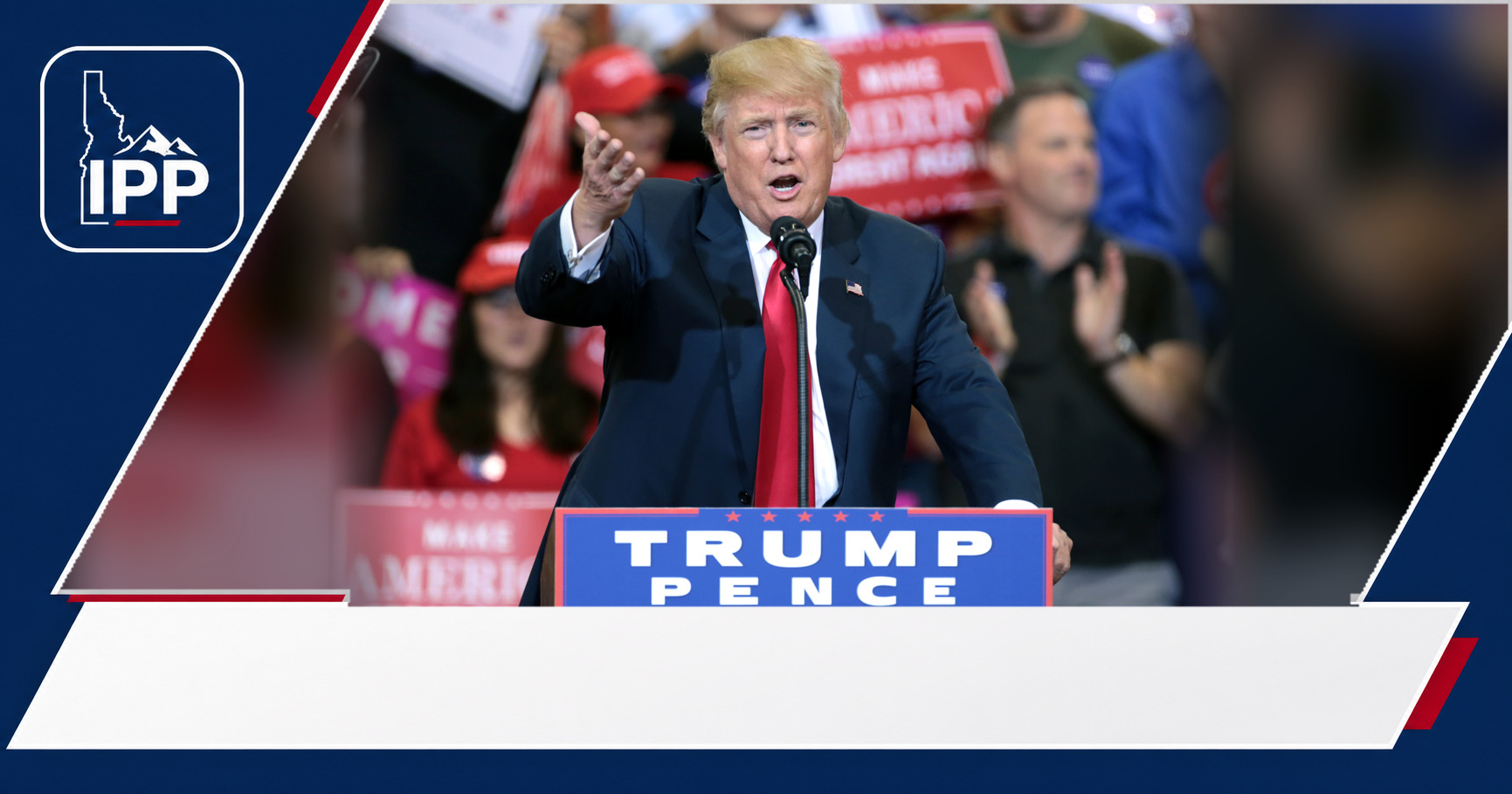
Donald Trump says the United States will strike Iran hard, and Trump is warning Iran about further U.S. military action after an overnight exchange of attacks. The statement matters because the U.S.-Iran conflict has moved from threats and negotiations into active strikes involving the U.S. military, Iranian targets and American bases across the region.
Speaking in the Oval Office, Trump said, “We hit them hard yesterday and we’re going to hit them hard again today,” according to the BBC. Iran’s president, Masoud Pezeshkian, answered that Iran would “stand firm against any pressure or threat.”
Trump turns pressure into threat
The immediate signal from Washington was blunt: Trump wants Iran to accept a deal, and he is pairing that demand with military pressure. He also wrote on social media that Iran had “taken too long to negotiate” and would “have to pay the price,” the BBC reported.

U.S. Central Command later said American forces had begun strikes at 17:15 Eastern Time against “multiple targets” in Iran. CENTCOM described the action as a response to what it called Iran’s “unwarranted and continued aggression.”
Defense Secretary Pete Hegseth reinforced the message, telling reporters that bombs would be “dropping on key facilities in Iran,” according to the BBC. That made Trump’s warning more than rhetoric: it was paired with an operational claim from the U.S. military.
The administration’s argument is that Iran crossed a line. Tehran’s argument is that Washington is using force while still claiming to support diplomacy. Those two narratives are now colliding in public and on the battlefield.
Iran signals it will resist
Iran’s response was not a concession. Pezeshkian said Iran would stand firm, while Iranian officials accused the United States of undermining diplomacy through shifting demands, contradictory signals and alleged ceasefire violations.
Iran’s foreign ministry spokesman, Esmaeil Baqai, said any diplomatic process needed “a minimum of stability,” according to the BBC. That line points to Tehran’s broader complaint: talks cannot function, in Iran’s view, while strikes continue.
Iran’s Islamic Revolutionary Guard Corps said it had responded to U.S. attacks with strikes on American bases in the region. Reuters, cited by the BBC, reported that a U.S. official said nearly all Iranian missiles and drones launched at U.S. bases in the Middle East were intercepted, with no reported casualties.
The absence of reported casualties, if confirmed, may limit pressure for an even larger immediate U.S. response. But the exchange still widens the risk zone: U.S. bases, Gulf shipping, Iranian infrastructure and regional allies are all now part of the escalation map.
The helicopter claim behind the strikes
The latest U.S. strikes followed Trump’s claim that Iran had downed a U.S. Army Apache helicopter near the Strait of Hormuz. CENTCOM described Tuesday’s strikes as a “proportional response” to that incident, the BBC reported.
Trump had said on Truth Social that the helicopter was “shot down” while patrolling the Strait of Hormuz. Fox News later quoted him as saying an Iranian drone hit the aircraft without exploding while it was flying “very low.”
The two crew members survived and were rescued by an American sea drone, according to the BBC. Iran’s semi-official Mehr News Agency reported that Iran had not claimed responsibility for downing the aircraft.
That gap matters. If Washington treats the helicopter incident as the trigger for strikes, but Tehran does not acknowledge responsibility, the two sides may be operating from different versions of the event. In a fast-moving conflict, that kind of dispute can make de-escalation harder.
Hormuz raises the stakes
The Strait of Hormuz is not just a military flashpoint. It is one of the world’s most important energy shipping routes, and any prolonged disruption can ripple far beyond the Gulf.
The BBC reported that the United States is blockading Iranian ports after Iran effectively closed the Strait of Hormuz in response to earlier U.S. and Israeli attacks on Tehran. On Wednesday, the U.S. military said it struck an oil tanker in the Gulf of Oman that it said had violated the blockade by attempting to transport oil from Iran.
The Indian government said three Indian sailors were missing and 21 crew members had been rescued after an attack on the Settebello off Oman’s coast. The BBC reported that the Settebello was the eighth ship the U.S. had fired on.
That maritime dimension adds a second layer of danger. Even if direct U.S.-Iran strikes remain limited, incidents involving commercial vessels, foreign crews or energy supplies can pull in more governments and intensify pressure on markets.
Nuclear talks remain central
Trump said the deal being offered to Iran “doesn’t give them a right to have a nuclear weapon” and “totally prohibits” Iran from ever having one, according to the BBC. That underscores the central dispute: Washington and its allies say Iran must accept tight limits; Tehran says its nuclear program is peaceful.
The International Atomic Energy Agency, the U.N. nuclear watchdog, approved a U.S.-backed resolution telling Iran to provide details on its uranium stockpile and production facilities. Iran’s mission to the U.N. in Vienna criticized the move, arguing that the resolution claimed to support diplomacy while the U.S. was conducting further acts of aggression.
The nuclear issue is why the military escalation is so politically charged. Strikes may be intended to pressure Tehran, but they can also make it harder for Iranian leaders to accept a deal without appearing to yield under attack.
For the Trump administration, the opposite calculation may be at work: show force first, then try to force a faster agreement. The danger is that pressure can become a substitute for a diplomatic off-ramp.
What remains unclear
Several critical details are still unsettled. The full target list for the latest U.S. strikes has not been independently verified. The scale of damage inside Iran remains unclear. So does the path back to negotiations after both sides accused the other of sabotaging stability.
There are also legal and political questions in Washington. Sustained strikes against Iran would raise scrutiny over congressional authorization, the administration’s stated objectives and whether the mission is limited retaliation, coercive diplomacy or something broader.
For now, Trump’s message is simple and public: the United States will hit Iran hard unless Tehran changes course. Iran’s reply is equally clear: it says it will not bend to threats.
That leaves the conflict in its most dangerous phase: active enough to produce casualties or mistakes, but still wrapped in negotiations that both sides say they want on their own terms.





Leave a Reply