

The case turns a tense title-night flashpoint into a test of FIFA’s disciplinary system. Match bans could follow if the charges are upheld.
FIFA opened disciplinary proceedings, including assault charges, against Argentina figures Leandro Paredes, Nahuel Molina and assistant coach Roberto Ayala after the World Cup final, where Spain beat Argentina 1-0 on July 19. The case centers on the post-match clash or brawl that broke out during Spain’s celebration and now forces FIFA to decide how far title-night misconduct should reach.
Paredes faces three assault counts, Molina faces two assault counts, and Ayala faces one, according to reports citing FIFA’s disciplinary update. Molina, Argentina teammate Thiago Almada and Spain’s Gavi also face unsporting behavior charges tied to the aftermath.
The charges FIFA is weighing
The most serious part of the case is the assault language in FIFA’s disciplinary process. Paredes, Molina and Ayala are the Argentina trio named in connection with those counts, while the separate unsporting behavior charges broaden the review beyond one confrontation.
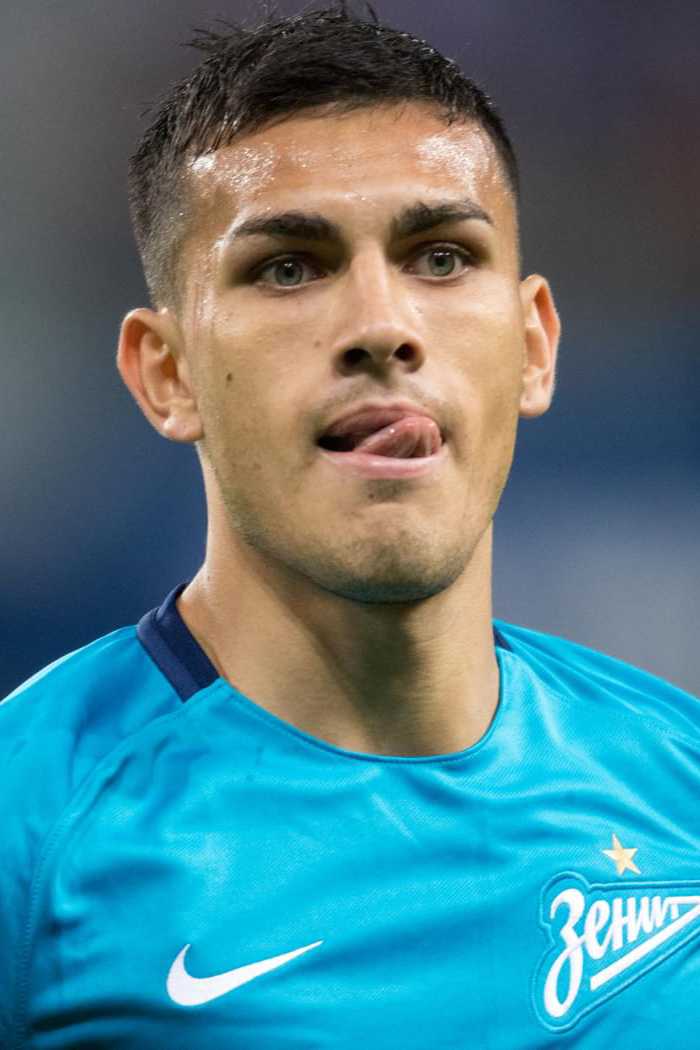
USA Today reported that Paredes was charged with three counts of assault, Molina with two, and Ayala with one. Molina was also charged with one count of unsporting behavior, as were Almada and Gavi.
That mix matters because FIFA’s own disciplinary code treats the categories differently. A charge of assault carries a minimum ban of at least three matches if upheld, while unsporting behavior carries a minimum ban of at least one match.
No final punishment has been announced. The players and coach charged are expected to have the chance to present their cases before the FIFA Disciplinary Committee decides whether to impose sanctions.
How the final unraveled
The flashpoint came after Spain’s 1-0 win over Argentina in the World Cup final, when Spain’s on-field celebration turned into a brief but ugly confrontation. AP reported the day after the match that FIFA had opened an investigation into potential breaches of its disciplinary code after players clashed on the field.
Video replays cited by AP showed Paredes involved in a scuffle with Spain defender Eric Garcia. AP reported that Paredes appeared to shove Garcia by the throat, then pushed Spain substitute Gavi to the ground after Gavi intervened.
USA Today’s account described the same melee as beginning when Paredes struck Garcia in the throat with an open hand, knocking him down. It also reported that Paredes and Almada shoved Gavi to the turf as players and coaches from both teams moved in.
Molina is also under scrutiny over video that appeared to show him throwing a punch toward the midsection of Spain captain Rodri as Rodri ran near midfield to join teammates celebrating. USA Today also reported that video surfaced of Ayala allegedly punching Spain’s Dani Olmo after the game.
Why FIFA moved beyond review
FIFA’s first step after the final was investigative. AP reported on July 20 that FIFA’s disciplinary committee had appointed a Disciplinary and Ethics Prosecutor to examine possible violations related to the post-match incidents.
The new proceedings show the case has moved from gathering evidence to testing specific allegations. The Disciplinary Committee received a report from the independent prosecutor, according to USA Today, and that report led to the current charges.
That distinction is important. A viral clip can shape public opinion within minutes, but FIFA discipline depends on written charges, evidence and a formal decision. The accused parties can argue their version of events before any ban is imposed.
It also means the case is not limited to what fans saw in a single replay. FIFA can consider match officials’ reports, broadcast footage, supplemental video and accounts from those involved before deciding whether each count is proven.
The stakes for Argentina
For Argentina, the timing is painful. A World Cup final defeat is already the most visible loss in international soccer. A disciplinary case tied to the final whistle keeps attention on the aftermath rather than the performance that got the team to the final.
The possible penalties are not symbolic. If assault charges are upheld, the minimum three-match ban under FIFA’s code could affect future international availability for the individuals involved. Unsporting behavior findings would carry a lower floor but still create an official disciplinary mark.
The case also cuts across roles. Paredes and Molina are players, while Ayala is a member of Argentina’s staff. FIFA’s handling of a coach accused in a post-match incident will be watched closely because staff conduct can influence how confrontations escalate or calm down.
Argentina can point to the heat of the moment, the emotional shock of losing a final and the chaos of bodies converging after the whistle. FIFA’s counterweight is the need to protect opponents during celebrations and to make clear that the end of a match is not a discipline-free zone.
Spain is not outside it
The case is centered on Argentina, but Spain is not entirely absent from the disciplinary picture. Gavi, a Spain player, was also charged with unsporting behavior, according to USA Today.
That charge does not carry the same minimum penalty as assault, but it shows FIFA is not treating the incident as a one-team file. Post-match confrontations often produce competing claims about provocation, retaliation and who escalated first.
Rodri, Garcia and Olmo appear in the reported accounts as Spain players involved in or near the alleged incidents. The public record available so far does not say that they face charges in this disciplinary update.
Spain won the match and the title, but the final’s legacy now has an uncomfortable extra chapter. For FIFA, reviewing both sides helps reduce the perception that only the losing team’s anger is under examination.
What happens next
The next step is procedural rather than dramatic. Those charged can respond to the allegations, and the FIFA Disciplinary Committee will decide whether sanctions are warranted.
What remains unclear is the timetable. FIFA has not announced final decisions in the material reported so far, and disciplinary cases can depend on how much evidence is contested.
The committee’s eventual ruling will matter beyond this single final. World Cup celebrations are heavily choreographed for television, sponsors and history, but they still happen inside a live sporting environment where losing players may be steps away from opponents celebrating the biggest prize in soccer.
FIFA now has to draw the line after one of the sport’s most charged moments. The harder part is making that line feel consistent: firm enough to punish violence if proven, careful enough not to turn every post-whistle collision into a major case, and transparent enough that both teams understand why the final decision was reached.




Leave a Reply