
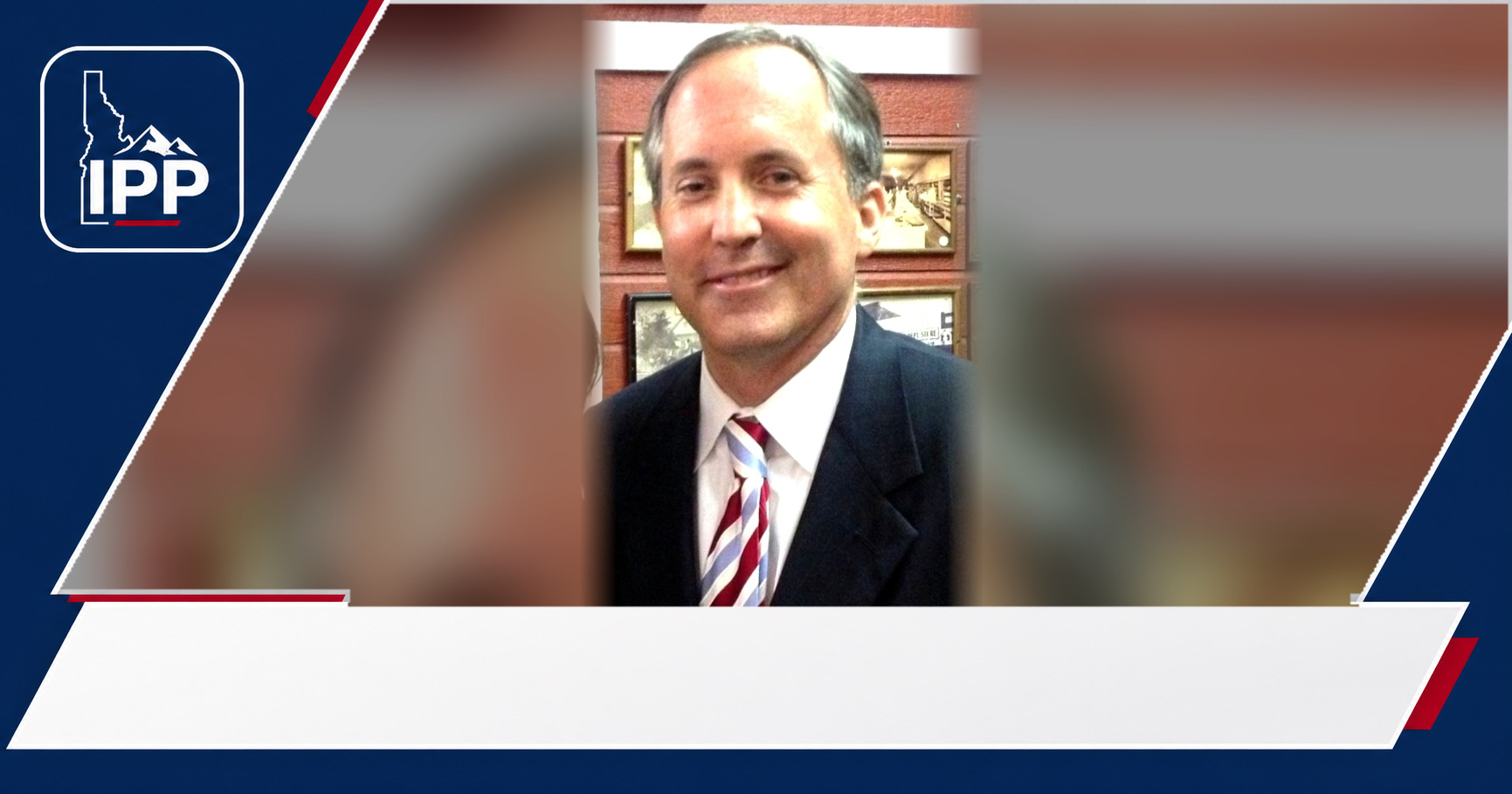
The Texas attorney general has cash, name recognition and a loyal base. His bigger problem may be persuading big-dollar Republicans that he is worth the risk.
Ken Paxton’s campaign is struggling to attract money from donors as wealthy Republican donors are holding back from the Texas Senate race. The Texas attorney general has raised about $9.25 million through June 30, 2026, according to Federal Election Commission records, but entered the next stretch with about $1.76 million on hand after spending more than $7.49 million.
That combination matters because Paxton is heading into a costly statewide Senate contest without support from some longtime backers who once helped make him a durable force in Texas Republican politics. The story is less that no one wants to give money to Ken Paxton’s campaign anymore, and more that the donors he needs most are not rushing in.
The money is real, but thin
Paxton’s federal filings do not show a campaign with no money. They show a campaign that has already moved significant cash and burned through much of it.
Federal Election Commission data for Paxton’s Senate candidacy lists total receipts of $9,248,698.53 from April 1, 2025, through June 30, 2026. Total contributions were nearly the same amount, at $9,239,677.98, with individual contributions accounting for about $9.02 million.
The pressure point is what remains. The campaign reported $1,755,783.35 in ending cash on hand and no debts or loans owed by the committee. For a statewide race in Texas, that is not a cushion that lets a candidate ignore the donor class for long.
That is the tension behind recent reporting from The Wall Street Journal and The New York Times: Paxton has money, but the big-dollar Republican network that can sustain a long Senate fight appears cautious, even frosty.
Why big donors are wary
The Wall Street Journal reported that Paxton is struggling to win over wealthy Republican donors for his Senate campaign, pointing to his past scandals as a central reason. The New York Times similarly described fundraising as an urgent priority and said his relationships with donors in the state remain strained.
That distinction matters. Grassroots enthusiasm can create momentum, small-dollar fundraising and media attention. Big donors do something different: they can fund repeated ad buys, underwrite outside groups, reassure consultants and signal to other power players that a campaign is viable.
Paxton’s political brand has long been combative. He has cast himself as a conservative fighter, often at odds with the Republican establishment as much as with Democrats. That posture can help in a primary, especially with voters who distrust party elites.
But wealthy donors are often risk managers. Some may like Paxton’s politics while still questioning whether a Senate bid tied to years of controversy is the best investment in an expensive, nationally watched race.
Paxton still has clear strengths
None of this means Paxton is weak with Republican voters. He has won statewide in Texas multiple times and remains one of the best-known Republican officials in the state.
He also survived one of the most dramatic political tests of his career. In 2023, the Texas House impeached Paxton; the Texas Senate later acquitted him. To critics, that episode deepened concerns about his judgment and conduct. To supporters, it became proof that the establishment had tried and failed to take him down.
That split is exactly why donor hesitation does not automatically translate into voter rejection. In modern Republican primaries, antagonism from traditional donors can sometimes be turned into a credential.
Paxton can argue that the reluctance of wealthy Republican donors says more about them than about him. If small-dollar contributors and conservative activists buy that message, donor resistance could become part of his pitch rather than only a liability.
Texas makes fundraising unforgiving
The problem is scale. Texas is vast, expensive and difficult to campaign in cheaply. Reaching Republican primary voters across multiple media markets requires money for television, digital ads, direct mail, polling, field operations and legal compliance.
Paxton’s FEC report shows operating expenditures of $7,408,523.77 during the covered period. That spending may reflect early campaign building, list acquisition, fundraising costs or voter outreach, but it also shows how quickly money can leave the account.
Several numbers in the filing help explain the campaign’s current position:
- Total receipts: $9,248,698.53 through June 30, 2026.
- Total disbursements: $7,492,915.18 over the same period.
- Ending cash on hand: $1,755,783.35.
- Candidate contributions: $0 reported.
- Total loans received: $0 reported.
Those figures do not prove a campaign is failing. They do show that Paxton needs a continuing fundraising engine, not just an early burst.
The donor class has options
Big Republican donors do not have to decide immediately. Some can wait to see polling, watch whether Paxton consolidates conservative activists, or determine whether other candidates or outside groups are better vehicles for their money.
That wait-and-see posture can be damaging on its own. Campaigns use early donor support to project inevitability. When donors hesitate, rivals can argue that the candidate is risky, isolated or unable to expand beyond a loyal base.
There is also a national angle. Senate races are not just state contests; they shape party control in Washington. Republican donors who care about winning and holding seats may weigh ideology, electability and general-election risk before writing checks.
Paxton’s allies may counter that Texas remains a Republican-leaning state and that a hard-edged conservative profile is not a weakness in a GOP primary. The unanswered question is whether that argument is enough to unlock the larger checks his campaign may need.
What remains unclear
The next filings will matter more than the current snapshot. FEC data can lag, and newly filed summary data may not appear immediately. Outside spending by super PACs or allied groups can also change the shape of a race without appearing as money raised directly by Paxton’s campaign.
It is also possible that donor resistance softens. Political donors often return to candidates they once avoided if polling improves, an endorsement shifts the race, or the field narrows.
For now, Paxton’s fundraising picture is not a simple collapse. It is a warning sign: he has raised millions, but he has also spent heavily and has not fully reassured the wealthy Republican donors and longtime backers who can make a Texas Senate campaign financially durable.
That leaves Paxton trying to prove two things at once. He must show voters he remains the conservative fighter they know, and show donors that backing him is not just a statement of loyalty but a bet that can win.








Leave a Reply