
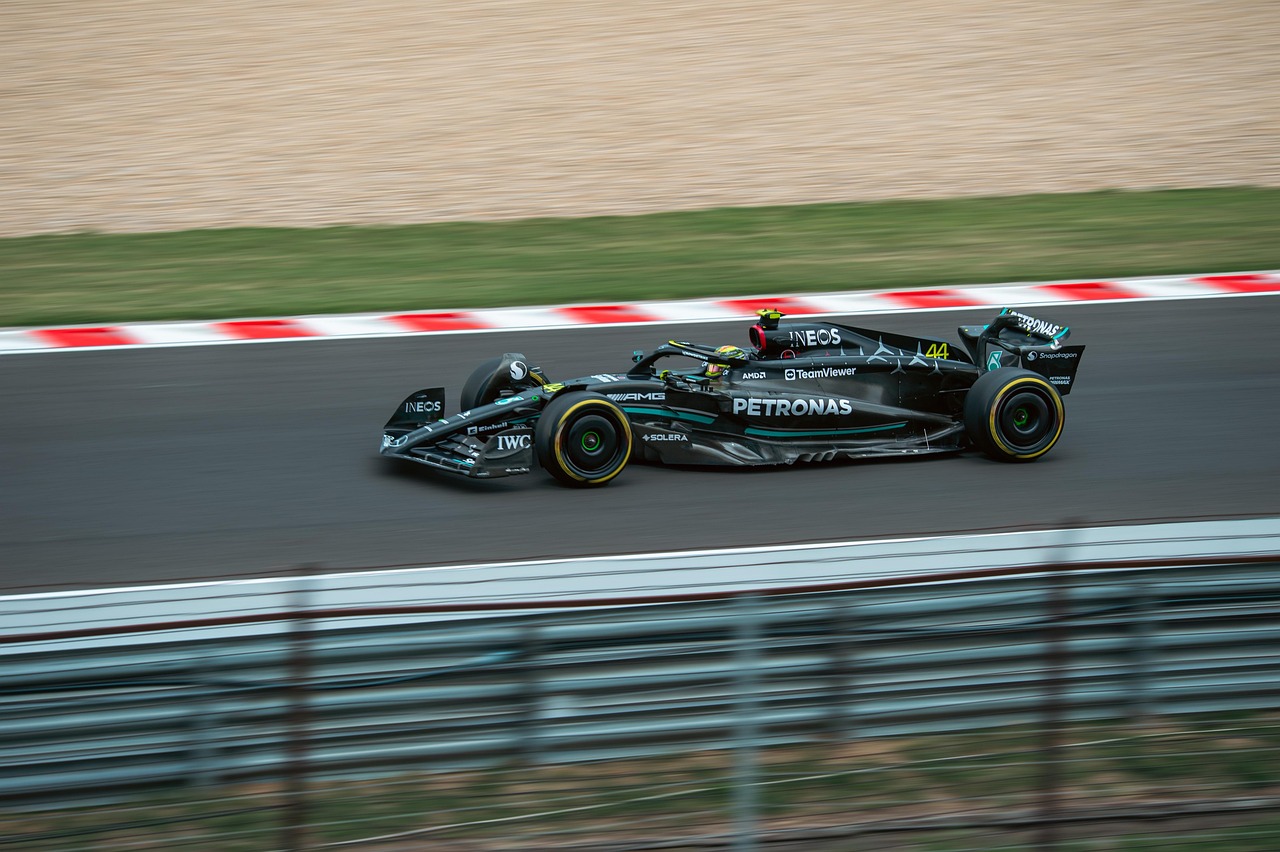
The current plan is still to race in the Gulf, but Formula 1 is preparing a European fallback if the conflict keeps disrupting its calendar. The choice could affect sold-out events, team logistics and the shape of the title run-in.
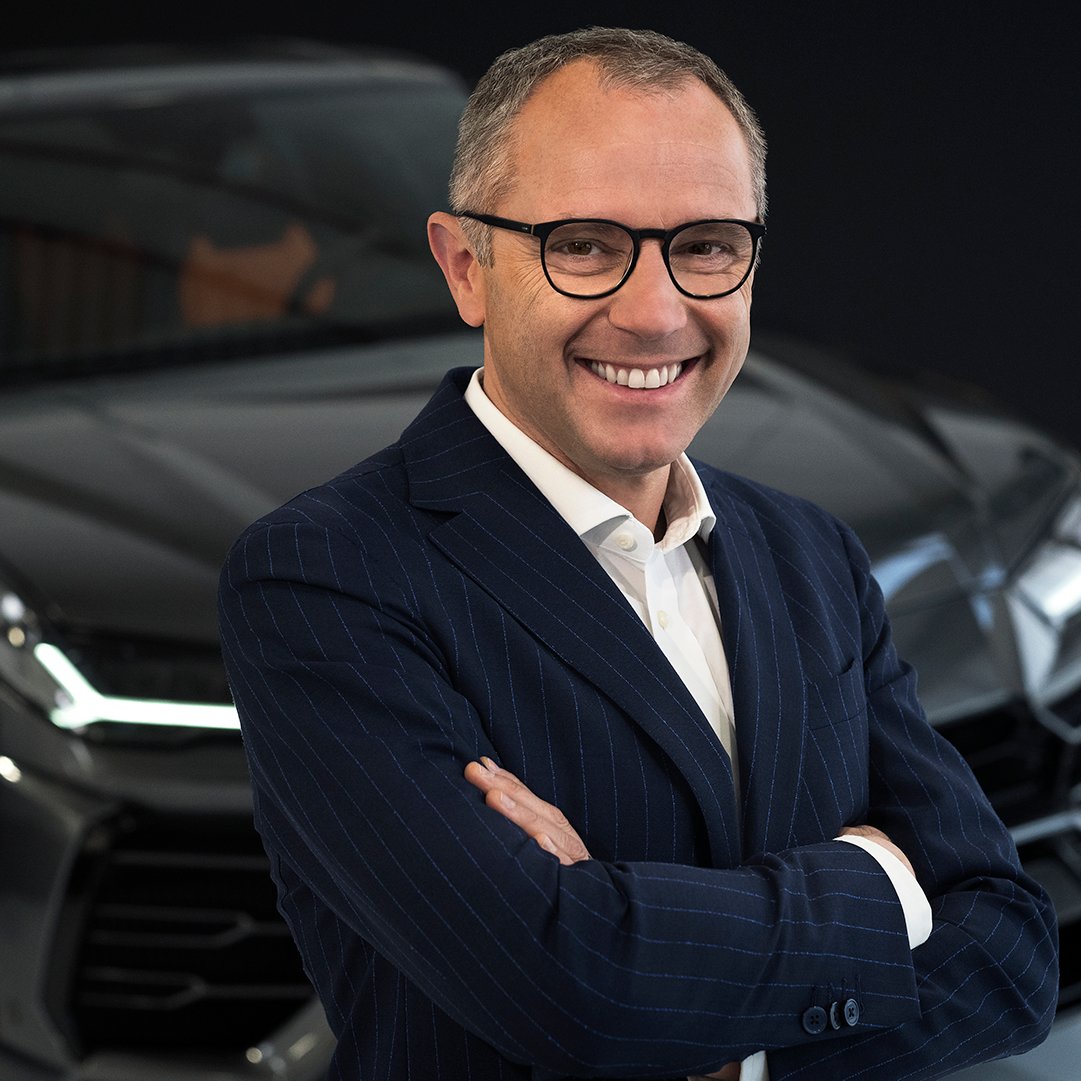
Formula 1 president Stefano Domenicali says the 2026 season could end in Europe if the war in the Middle East continues to affect the calendar. The contingency concerns the final races in Qatar on November 29 and Abu Dhabi on December 6, and Domenicali said a final decision is expected by mid-September.
For a sport built on global logistics, sold-out grands prix and sponsor commitments, the warning matters now because F1 is nearing the point where it must choose certainty over hope — even if that means moving its championship finale away from the Gulf.
Confirmed, but not guaranteed
Domenicali’s message was careful: Qatar and Abu Dhabi are still on the schedule. In comments to Formula 1 media reported by the BBC, he said both races are confirmed and already sold out.
That matters commercially and politically. The Gulf closing stretch has become part of modern F1’s rhythm, giving the sport lucrative races in a region that has invested heavily in hosting grands prix and building year-round motorsport visibility.
But Domenicali also drew a line. If the situation in the Middle East is not clear enough before the middle of September, F1 will make the call. His stated fallback is blunt: the end of the season would be in Europe because, as he put it, F1 cannot go elsewhere at that stage.
That is the key distinction. F1 is not announcing a cancellation. It is warning that the window for uncertainty is closing.
Europe is the fallback
The BBC reported that Domenicali did not identify the replacement venue if Qatar and Abu Dhabi cannot happen. The strongest front-runner, according to the report, is Imola in Italy.
Imola would be a familiar option rather than a speculative leap. The circuit has recent F1 experience, existing infrastructure and a European location that makes it more plausible as a late-season substitute than a brand-new market.
A European finale would still be a major change. Qatar and Abu Dhabi are not simply race weekends; they are part of F1’s broadcast, hospitality and sponsor calendar. Moving the finish would shift travel plans for teams, media, guests and fans who have built schedules around the published dates.
It could also change the atmosphere of the title fight. Abu Dhabi has frequently been positioned as a polished season-ending stage. A late move to Europe would make the finale feel more improvised, even if the racing itself remains intact.
War has already changed F1
The possible Qatar-Abu Dhabi change is not happening in isolation. F1 has already had to cancel the Bahrain and Saudi Arabia races that were scheduled for April because of the US-Israel war with Iran, according to the BBC report.
To keep the calendar viable, F1 announced that Malaysia would step in to hold a race in September on behalf of Bahrain. That move helps the championship reach 21 grands prix, a number the BBC reported is needed to satisfy various commercial contracts.
Reaching that threshold does not mean Domenicali wants to stop there. He said he remains determined to stage another race after the Las Vegas Grand Prix on November 21.
That explains why the European contingency exists. F1 has already protected the minimum shape of the season, but it still wants a proper closing act if Qatar and Abu Dhabi become impossible.
Why Las Vegas is not enough
One obvious question is why F1 would not simply run twice in Las Vegas or extend its U.S. stay. Domenicali said that was considered, but he argued against it.
His reasoning was part brand protection, part sports reality. He described Las Vegas as a growing jewel and said F1 did not want to undervalue what it is building there by adding a second race in the same place.
He also pointed to the American sports calendar. In late November, F1 is competing for attention with the NFL, a dominant force in the United States. Adding more Las Vegas content might not create the impact F1 wants if much of the casual U.S. audience is focused elsewhere.
That leaves Europe as the more practical alternative. It may not offer the same commercial profile as a Gulf finale, but it gives F1 an established pool of circuits and fewer unknowns if a decision has to be made quickly.
Fans face the uncertainty
The hardest part for fans is the gap between confirmation and confidence. Domenicali said Qatar and Abu Dhabi are sold out, which means many spectators already have tickets and may have travel plans attached to those weekends.
Until F1 makes a final decision, those fans are left watching the same mid-September deadline as the teams. What remains unclear is how any change would be handled for ticket holders, hospitality buyers and travelers if the Gulf races are removed from the calendar.
Teams also need certainty. Freight, staffing, garage equipment and hospitality units move on long timelines. A late switch is possible for a sport as sophisticated as F1, but possible does not mean painless.
The competitive stakes could be just as high if the championship remains close. A title decider at Imola would not be the same sporting test as a finale in Abu Dhabi or Qatar. Different track layouts, temperatures and overtaking patterns can all influence how a final weekend unfolds.
Next year is not settled
Domenicali’s comments also looked beyond 2026. The BBC reported that Bahrain is set to return as the opening race next year after two years in which Australia held that role because of the timing of Ramadan.
Even there, F1 is preparing alternatives. Domenicali said the calendar expected in autumn would be presented as a normal plan, but if the Middle East situation is not resolved, different options are available.
He said the trigger for those plans would come at the end of the year, and that F1 still intends to keep a target of 24 countries for the following season. That target shows the commercial ambition has not changed, even as the risk around certain races has increased.
The immediate takeaway is narrow but significant: Qatar on November 29 and Abu Dhabi on December 6 remain on the calendar for now, but F1 is actively planning for a European finish. By mid-September, Domenicali says, the sport expects to know whether its season can end where it was supposed to — or whether war has forced one more rewrite.





Leave a Reply