
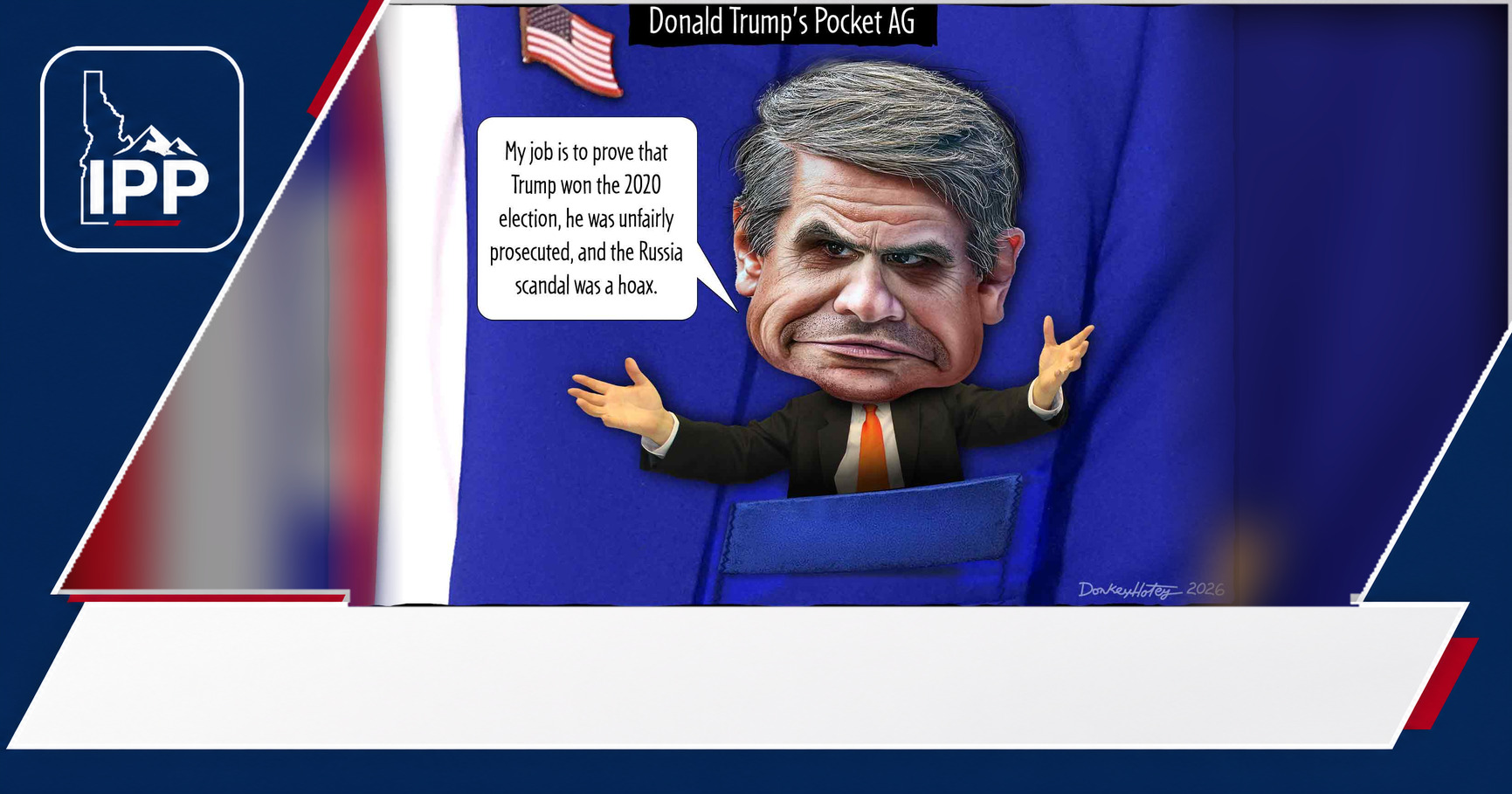
The fight puts Blanche’s current role at DOJ directly at issue as senators weigh whether to elevate him permanently. A dispute Democrats already framed as a taxpayer-money problem is now creating trouble inside the GOP.
Todd Blanche’s nomination is in jeopardy after a key Republican senator is criticizing the Department of Justice over a controversial fund, turning the Senate confirmation fight over Blanche’s nomination into a test of GOP patience with DOJ. The phrase “GOP senator rails” is not just campaign noise here: Blanche is the acting attorney general, and the White House has sent his name to the Senate to be attorney general.
The fund fight matters because it connects Blanche’s current control of the Justice Department to the job he wants permanently. Democrats have attacked the fund as a potential taxpayer reward for January 6 defendants, but the new danger for Blanche is Republican resistance — the kind that can turn a confirmation vote from routine to fragile.
The fund now shadows Blanche
The dispute centers on what critics have described as a $1.8 billion Justice Department “anti-weaponization” fund. In a release from Sen. Alex Padilla’s office, the California Democrat said the fund would compensate or financially reward convicted January 6 insurrectionists, and he pushed legislation to block federal money from being used that way.
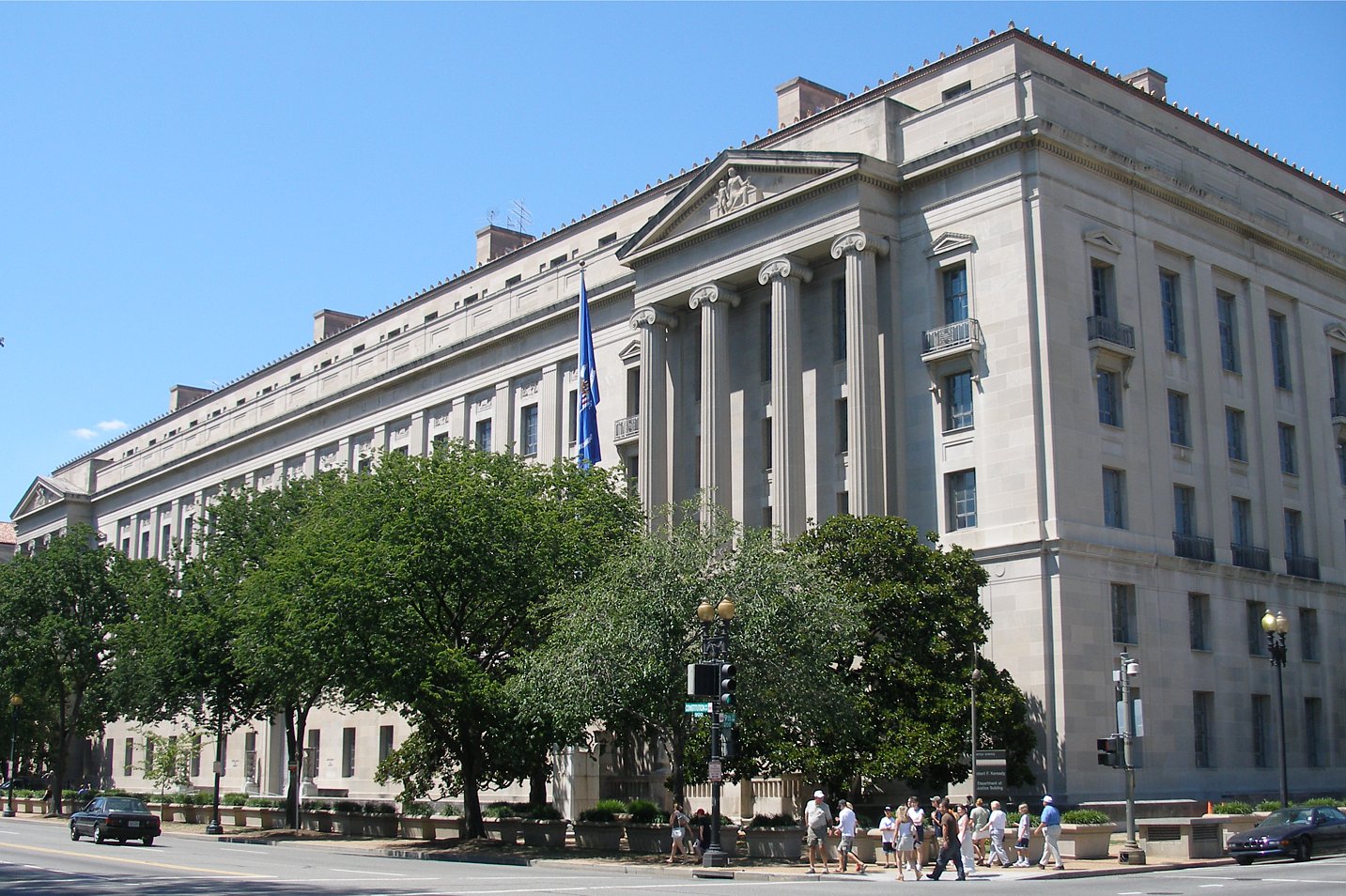
Padilla’s office said Blanche, as acting attorney general, announced a settlement creating the special fund. That is the key link for the confirmation fight: Blanche is not merely a nominee being asked about an abstract DOJ policy. He is being judged on an action critics say occurred under his own watch.
The Department of Justice’s public explanation of the fund, the settlement terms and the precise eligibility rules remain central to the controversy. Without those details settled in public view, senators can use the nomination process to demand answers before agreeing to give Blanche the department’s top job permanently.
Why one Republican matters
Senate confirmations often look like party-line exercises, especially for a president’s senior legal team. But they are not automatic. A single Republican senator can slow the process, force negotiations or signal to others that a nominee is politically costly.
That is why criticism from a key GOP senator lands differently than another Democratic denunciation. Democrats were already likely to press Blanche over the fund, January 6 and the department’s priorities. Republican resistance threatens the vote count and the political story around the nomination.
There is also a credibility problem for DOJ. If Republican senators who support the administration broadly are uncomfortable with how the department is handling a fund tied to politically charged prosecutions, Blanche has to defend both the policy and his judgment.
Official records show a narrow base
The White House notice says plainly that Todd Blanche, of Florida, was nominated to be attorney general and sent to the Senate. That makes the Senate confirmation fight the formal battleground, even if the public argument is currently about the fund.
Blanche has been through this before. Congress.gov records show that his earlier nomination to be deputy attorney general was received by the Senate on January 20, 2025, referred to the Senate Judiciary Committee, and confirmed on March 5, 2025.
That confirmation was not overwhelming. The Senate confirmed him 52-46, with cloture invoked 51-46, according to Congress.gov. Those numbers are a reminder that Blanche’s support has already been relatively narrow, even before the latest controversy attached itself to a higher-profile nomination.
Attorney general is a bigger job than deputy attorney general. It is also more visible, more political and more directly tied to questions about the department’s independence. A nominee who could pass for the No. 2 job may still face a tougher standard for the top post.
Democrats see a taxpayer issue
Padilla’s framing is blunt. His office called the fund a “slush fund” and said it could be used to reward January 6 rioters. He sought unanimous consent for the No Rewards for January 6 Rioters Act, introduced with Sen. Sheldon Whitehouse, to bar federal funds from compensating or refunding January 6 insurrectionists.
That bill did not move by unanimous consent. Padilla’s release said Sen. Tommy Tuberville, an Alabama Republican, objected. That detail cuts both ways for Blanche: it shows Republican resistance to Democratic attempts to kill the fund, but it also keeps the fund alive as a live confirmation issue.
For Democrats, the argument is likely to stay simple: taxpayers should not be used to compensate people connected to the January 6 attack, and DOJ leadership should explain why such a fund exists. For Blanche, the risk is that every question about the fund becomes a question about whether he can be trusted with the department’s full authority.
Republicans face a different risk
Republicans are not all approaching this from the same place. Some may see the fund as part of a broader effort to answer claims that the Justice Department was weaponized. Others may worry that the optics are politically toxic or that DOJ is inviting a new wave of scrutiny at exactly the wrong moment.
That split is what makes the nomination vulnerable. Blanche does not need to lose the entire Republican conference to be in trouble. He needs only enough GOP discomfort to complicate scheduling, committee handling or the final floor vote.
The public criticism also gives other senators permission to ask harder questions. Even Republicans who ultimately support Blanche may want written assurances, legal explanations or limits on how the fund can be used. Those demands could delay the nomination or force DOJ into disclosures it would rather avoid.
What could decide the fight
The next phase depends less on speeches than on documentation. Senators will want to know who qualifies for money from the fund, what legal authority created it, whether convicted January 6 defendants can benefit, and what role Blanche played in approving or announcing it.
Blanche’s strongest defense would be clarity: a legal rationale, defined limits and a convincing explanation that the fund is not a political payout vehicle. His weakest position would be ambiguity, because uncertainty lets both Democrats and skeptical Republicans fill in the blanks.
What remains unclear is whether the GOP criticism is a warning shot or a real threat to the final vote. For now, the nomination’s problem is obvious: Blanche is asking the Senate to trust him with the Justice Department while senators are fighting over a controversial fund tied directly to the department he already leads.





Leave a Reply