

The latest viral reaction sits inside a larger argument over age, speech patterns and presidential fitness. The hard part is separating legitimate scrutiny from armchair diagnosis.
Donald Trump made a bizarre new claim that prompted speculation about Alzheimer’s or cognitive decline, putting his recent remarks back under scrutiny by observers, commentators and clinical experts. The point is not that a public clip can diagnose Trump. It is that an unusual assertion from the 78-year-old former president has landed inside a broader debate over mental acuity, age and presidential fitness.
That debate has sharpened because Trump’s defenders describe his speaking style as deliberate, while critics see a pattern of rambling, loose associations and factual confusion. The same footage can become either proof of political showmanship or evidence of decline, depending on who is watching.
The claim became a fitness test
The latest reaction follows a familiar cycle around Trump: an odd public statement circulates, critics frame it as a sign of cognitive trouble, supporters dismiss the criticism as partisan overreach, and medical language enters a political argument that is not actually a medical evaluation.
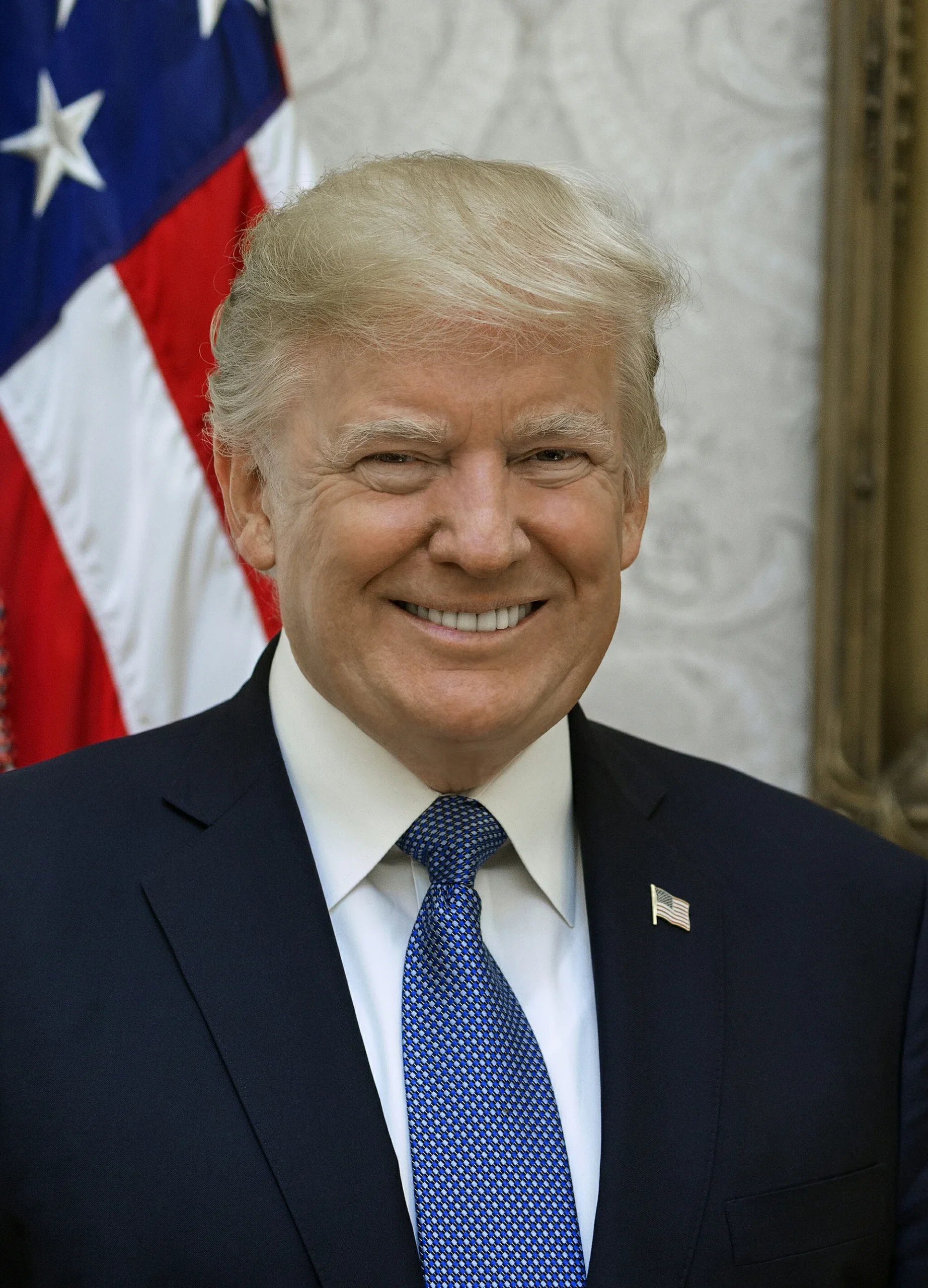
That is why the Alzheimer’s speculation is so loaded. Alzheimer’s disease is a specific neurological condition, not a synonym for saying something strange, false or meandering. Cognitive decline is also a broad term. It can describe normal aging, stress, sleep deprivation, medication effects, illness or a diagnosable disorder.
Still, presidents and presidential contenders are not ordinary public speakers. Their stamina, judgment, memory and ability to process information are part of the job. When a major political figure repeatedly makes remarks that appear disconnected or difficult to follow, scrutiny is not automatically unfair.
The danger is in jumping from scrutiny to certainty. A campaign appearance, cable news clip or social media edit can raise questions. It cannot answer them.
What experts have actually said
PBS NewsHour previously examined similar concerns after several Trump appearances in which his remarks were described as rambling or incoherent. The segment noted one event where Trump stood onstage and swayed to music for close to 40 minutes, rather than continuing a conventional town-hall format.
In that discussion, clinical psychologist Dr. Ben Michaelis said he could not diagnose Trump without a formal, face-to-face assessment. But he argued that there was enough visible material to raise concern, especially around the way Trump’s comments sometimes move away from a linear thread.
Michaelis described a shift from staying on topic toward tangentiality and circumstantiality — clinical-sounding terms for speech that drifts, loops or loses its original point. He did not declare Trump had dementia. He said the pattern was worth noticing.
PBS also included a more cautious view from Dr. Jamie Reilly of Temple University, who warned against turning changes in speech into proof of disease. Reilly’s point was blunt: researchers may detect changes in syntax, pace or complexity, but that does not automatically mean a disease process is underway.
Trump calls it ‘weaving’
Trump has rejected the idea that his speaking style shows mental decline. He has described his long, looping remarks as a technique he calls weaving — moving across topics and eventually tying them together for audiences who understand him.
That defense matters because Trump’s public persona has always relied on improvisation. His rallies are not built like policy seminars. They mix grievance, jokes, attacks, memories, crowd work and sudden detours. Supporters often read that as authenticity rather than confusion.
There is also a political double standard problem. Opponents of any candidate are tempted to medicalize behavior they dislike. A false claim can be treated as delusion, a clumsy sentence as decline, and a strange joke as pathology. That is not careful analysis.
At the same time, improvisation does not make every concern disappear. A style that once seemed merely chaotic can still change over time. The question is whether the public is seeing normal Trump, aging Trump, strategically evasive Trump, or something more serious. No clip alone can settle that.
The age issue is unavoidable
Trump’s age keeps the issue alive. PBS noted during the 2024 campaign that Trump was 78, and that if elected he would be the oldest president ever elected. As he has moved further into his late 70s and beyond, questions about endurance and cognition have become harder to separate from politics.
The United States has already watched age become a defining issue in presidential campaigns. Voters have seen both parties struggle with how much medical information candidates should release, how to judge public misstatements, and how to talk about aging without drifting into cruelty or denial.
There is a practical reason the debate persists: the presidency is a job where mental acuity is not abstract. A president receives intelligence briefings, manages crises, negotiates with foreign leaders and makes decisions under pressure. The public has a legitimate interest in whether any candidate can do those things consistently.
But legitimate interest is not the same as a diagnosis. Alzheimer’s speculation may get attention because the word is emotionally powerful. It is also the word that requires the most caution.
Why viral clips mislead
Short videos are powerful because they appear to let viewers see the evidence for themselves. They are also incomplete. They strip away the full event, the pacing of the room, the preceding question, the speaker’s intent and the possibility that a moment was edited for maximum ridicule.
That does not mean clips are meaningless. If a public figure repeatedly appears unable to finish thoughts, remember basic facts or follow a question, those moments accumulate. Patterns matter more than isolated gaffes.
The best evidence would be broader and more boring: full transcripts, long-form appearances, medical records released by a campaign, standardized cognitive testing, and assessments from physicians who have actually examined the person. Public commentators can analyze behavior. They cannot substitute for that process.
This is where the discussion often collapses. Critics want the strongest possible conclusion from the thinnest possible evidence. Defenders want every concern dismissed as media hostility. Neither position is especially useful to voters trying to evaluate fitness for office.
The question voters are left with
The new Trump remark matters because it reinforces a larger uncertainty, not because it proves Alzheimer’s or any other diagnosis. The relevant public question is narrower and more defensible: Are Trump’s communication patterns, judgment and command of facts changing in ways that affect his ability to serve?
That question can be debated without pretending to be a neurologist. It can include examples of rambling remarks, unusual behavior and factual claims that do not hold up. It can also include the possibility that Trump is performing a familiar political style that rewards exaggeration and digression.
What remains unclear is whether voters will get the kind of medical transparency that would move the conversation beyond speculation. Until then, each strange claim will become another proxy fight over age, trust and presidential fitness.
The cleanest takeaway is also the least satisfying one: Trump’s public remarks deserve close scrutiny, especially given his age and the power he seeks or holds. But Alzheimer’s is not a punchline, and cognitive decline should not be declared from a viral moment alone.






Leave a Reply