
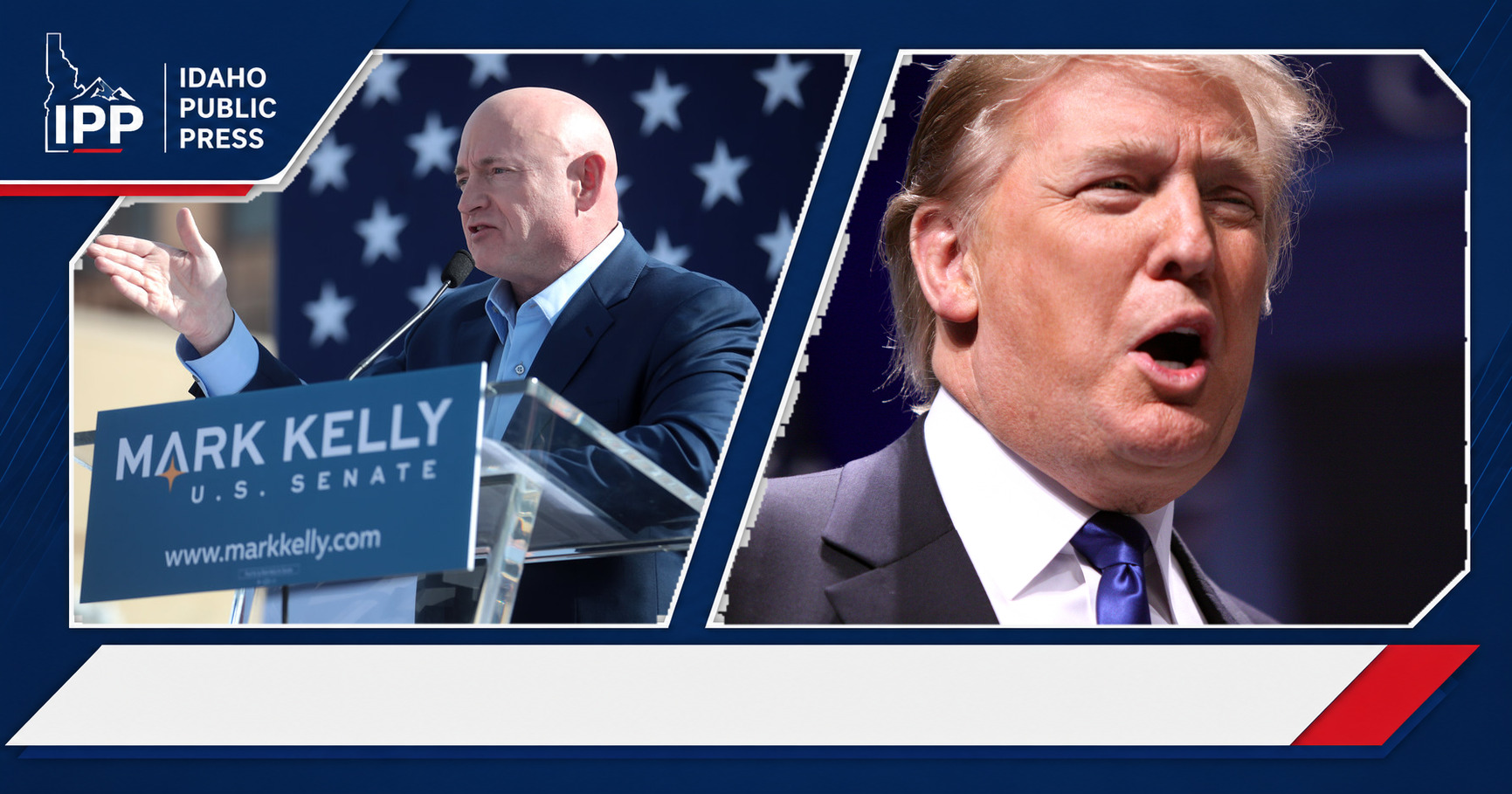
Kelly’s comments connect two Democratic pressure points: frustration with Trump’s agenda and early jockeying over who can speak to voters’ economic anxiety in 2028.
Senator Mark Kelly criticizes Donald Trump for focusing on corruption instead of Americans, saying the president is caught up in political “noise” while voters face more immediate problems. Kelly spoke in Washington, D.C., in remarks reported July 29, 2026, after TMZ asked about Trump’s priorities and future Democratic efforts to undo parts of his legacy.
The Arizona Democrat’s comments matter because they show how Democrats are trying to frame Trump’s agenda: not just as controversial, but as a distraction from costs, wages and inequality. The “Mark Kelly slams Donald Trump” moment also arrived as Kelly faced questions about whether he might seek the White House in 2028.
Kelly’s attack is about priorities
According to OK! Magazine’s account of the TMZ exchange, Kelly was asked whether a future Democratic president might reverse parts of Trump’s legacy, including proposed White House ballroom and arch plans. Kelly did not center his answer on design, architecture or presidential symbolism.

Instead, he argued that a Democratic president would focus on improving the country rather than what he described as “bulls— and corruption.” He also said Trump spends his time on “noise” and on things that do not help the American people, according to the report.
That framing is the key political move. Kelly is not merely criticizing a project or a personality trait. He is trying to define Trump’s governing style as absorbed by spectacle, grievance and self-protection while ordinary Americans are left waiting for relief.
The White House question was a proxy
The immediate prompt was narrow: whether a future Democratic president would unwind parts of Trump’s White House plans. But Kelly’s answer treated the question as a stand-in for something larger — what presidents choose to spend capital on, and what those choices say about who they serve.
That distinction matters. A fight over a ballroom or an arch can sound like Washington inside baseball. Kelly’s answer tried to move the conversation toward kitchen-table politics: whether voters see government action translating into lower costs, better opportunities or a sense that leaders are focused on them.
There is a competing way to read the exchange. Supporters of Trump could argue that questions about legacy, public buildings and corruption are part of governing and political accountability, not distractions from it. Kelly’s argument depends on voters accepting his premise that those fights have crowded out more urgent needs.
2028 talk is already hovering
The TMZ interview also touched on Kelly’s own future. When asked whether he was preparing for a 2028 presidential run, Kelly did not give a direct answer, according to OK! Magazine. That non-answer is politically useful: it keeps him in the conversation without forcing him into a formal lane.
Kelly later made related comments in an interview with Fox News Digital, where the discussion shifted to the Democratic Party’s progressive wing and the early 2028 field. The report cited a recent New Hampshire poll showing Rep. Alexandria Ocasio-Cortez leading Democratic voters for the party’s 2028 nomination.
In that poll, former Transportation Secretary Pete Buttigieg ranked second, while Kelly placed third with 9% support, ahead of California Gov. Gavin Newsom and former Vice President Kamala Harris, according to the report. Early polls are not predictions, but they do shape media attention and donor chatter long before voters cast ballots.
Kelly links politics to inequality
Asked why Ocasio-Cortez appeared to be gaining traction, Kelly did not offer a detailed analysis of her message. “I don’t know about her message, but people are really struggling,” he said, according to the Fox News Digital interview summarized by OK! Magazine.
Kelly then turned the answer back toward Trump’s economic agenda. He said the president’s policies supported “billionaires over hardworking people” and added that “1% of the country now owns more wealth than the middle class,” according to the report.
That wealth argument has a factual backdrop. Bloomberg reported that Federal Reserve data showed the wealth of the top 1% of households surpassed that of the bottom 60% combined in 2021, the first time that had happened since the Fed began tracking the information in 1989. Kelly is using that kind of inequality data to argue that voter frustration is not abstract; it is rooted in how people experience the economy.
What Kelly leaves unresolved
Kelly’s criticism is sharp, but it is not a full governing plan. In the reported remarks, he does not lay out a specific package of policies he would prioritize instead of Trump’s agenda. The message is clear — focus less on “noise” and more on Americans — but the practical alternative remains broad.
The same is true of his 2028 posture. By refusing to directly answer whether he is preparing for a presidential run, Kelly keeps his options open. That helps him avoid the scrutiny that comes with a campaign while still benefiting from being named in early polling and national conversations.
What is clear is the Democratic line of attack Kelly is testing: Trump is focused on corruption, controversy and legacy fights while Americans are struggling. Whether that message sticks will depend on more than one interview. It will depend on whether Democrats can connect the critique to concrete economic answers — and whether voters believe Trump’s priorities are the problem.





Leave a Reply