
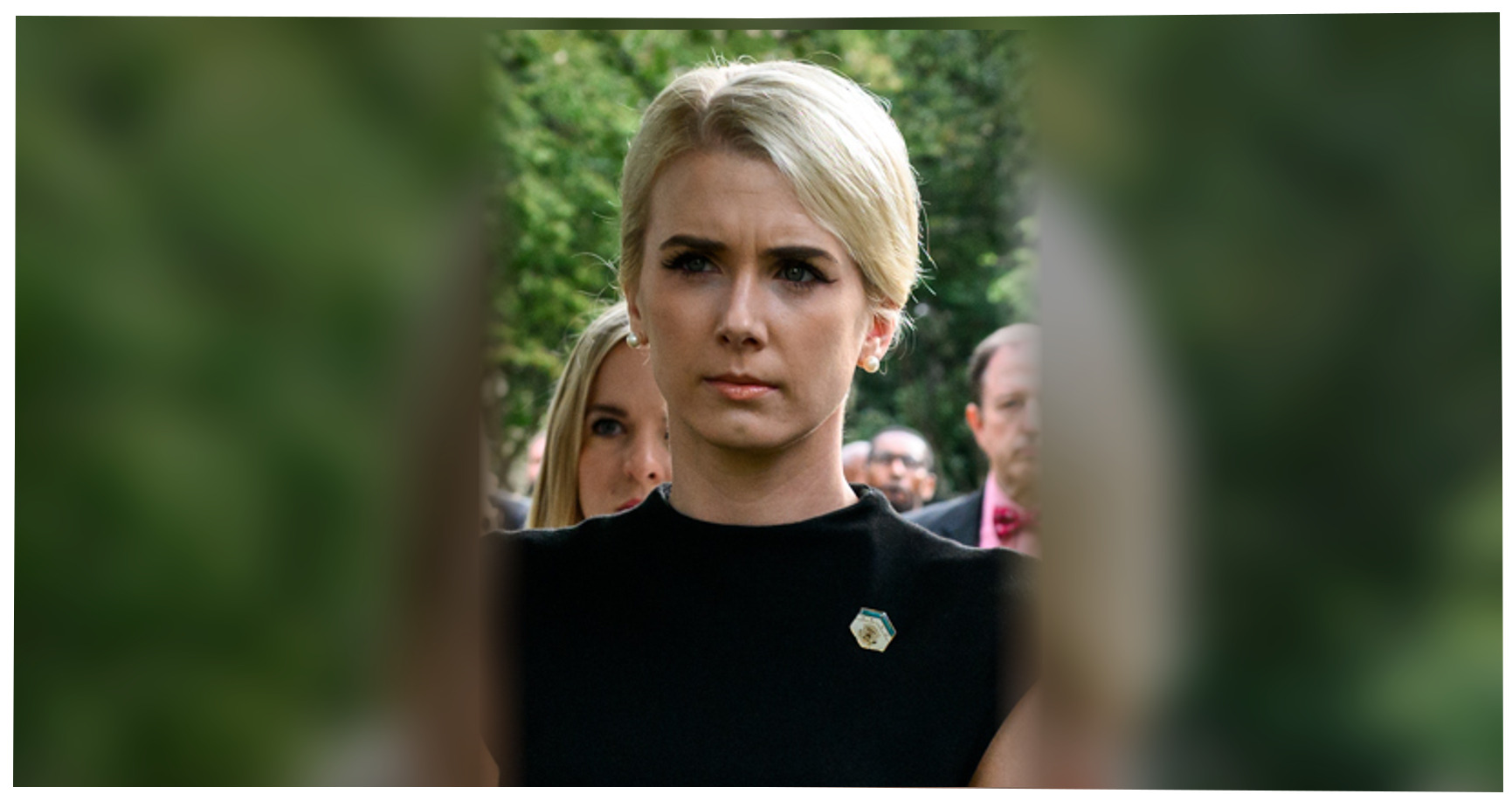
The reported correspondence has renewed attention on Natalie Harp’s unusually close role around President Donald Trump. The central question is not only what the letters say, but what has and has not been verified about them.
At least two letters allegedly written by Natalie Harp to President Donald Trump have been revealed, drawing attention to the intimate and intensely loyal language of the president’s close aide. In one, Harp wrote, “You are all that matters to me,” expressing a level of personal devotion that goes beyond routine official correspondence.
The letters were released by The Daily Beast, but CNN has not independently confirmed that Harp wrote or sent them. That caveat is central to understanding the report: the correspondence is being presented as alleged, not authenticated fact. The reported excerpts also include Harp’s statement that Trump had the “absolute right to cuss me out,” reinforcing the unusually personal and deferential tone attributed to the letters.
What the reported letters say
CNN reported that letters released by The Daily Beast were attributed to Harp, an executive assistant to President Trump. The reported excerpts use language that is markedly personal and deferential.
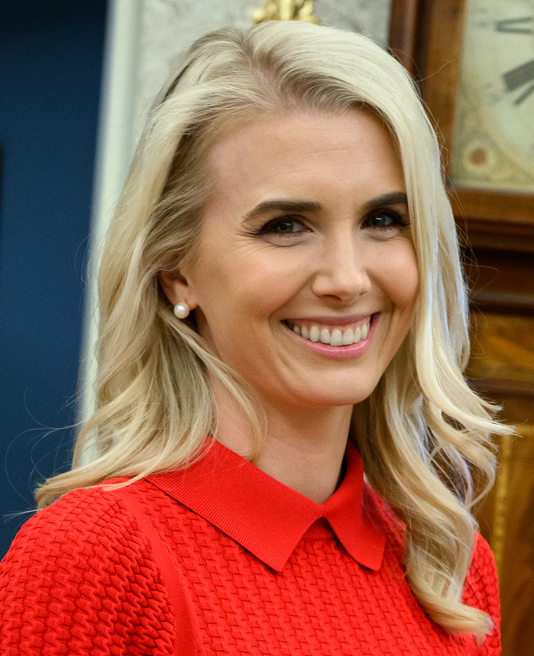
Among the lines CNN quoted were: “You are all that matters to me” and “You have the absolute right to cuss me out.” Those phrases are the basis for descriptions of the correspondence as intimate or intensely devoted.
That wording is significant because it goes beyond the conventional language of a staff memo, political endorsement or routine expression of support. It portrays a relationship defined, at least in the alleged letters, by exceptional personal allegiance.
Still, the public should distinguish between reported text and confirmed authorship. The existence of excerpts does not by itself establish who wrote them, when they were written, whether they were delivered or the circumstances in which they became public.
The key fact remains unverified
CNN’s reporting included a crucial qualification: it had not independently confirmed that the letters were sent by Harp. That caveat is not a technicality. It is the central fact that should shape any reading of the material.
Neither the supplied reporting nor the excerpts establish an independent chain of custody for the documents. There is also no public confirmation in the available material from Harp, Trump or the White House addressing the authenticity of the letters.
In politically charged stories, striking language can travel much faster than the evidence behind it. Screenshots, excerpts and anonymous sourcing can be newsworthy, but they should not be treated as conclusive proof without authentication, corroborating records or on-the-record confirmation.
That leaves two realities in place at once: the alleged text has become part of a public political conversation, and the attribution remains unconfirmed by independent reporting.
Why Harp draws unusual attention
Harp’s role has already made her a subject of intense interest. The New York Times described the 35-year-old West Wing aide as a close gatekeeper and conduit of information for Trump, reporting that she works in or near the Oval Office, travels with him and assists with social media posts.
That kind of proximity is what makes the reported letters more consequential than a private exchange involving someone with no government role. A senior aide’s access can affect which information reaches a president, who gets time with him and how official decisions are prepared or communicated.
The Times reported that Harp rarely speaks publicly despite being a frequent presence at Trump’s side. The combination of low public visibility and high apparent access has fueled outside curiosity about the scope of her authority.
Supporters may see a trusted aide whose loyalty helps a president operate efficiently. Critics may see a staff arrangement that raises concerns about informal influence and accountability. The available reports do not resolve that larger debate, but they explain why the alleged correspondence has attracted so much attention.
Personal loyalty and public power
Washington has always depended on relationships of trust. Presidents often rely on aides who understand their preferences, anticipate their needs and can manage a demanding daily operation. Loyalty, on its own, is not evidence of misconduct.
The scrutiny becomes sharper when an aide appears to hold substantial influence outside the usual public-facing structures of an administration. The key issue is whether important policy, communications or access decisions are subject to normal review and clear lines of responsibility.
The reported language in the Harp letters has given critics a vivid symbol for those concerns. Yet a vivid symbol is not the same as a complete account of a person’s work, authority or conduct. It would be premature to infer official wrongdoing from unverified personal correspondence.
There is also a broader political dynamic at play. Trump’s inner circle has long generated outsized attention because closeness to him can carry practical weight, even when job titles do not fully explain a person’s influence.
What has not been established
Several questions remain unanswered in the reporting available so far. It is not independently established that Harp authored the letters, that Trump received them, or that the quoted passages reflect complete documents rather than selected excerpts.
There is also no confirmed public explanation of the alleged letters’ timing, purpose or release. Without that context, readers cannot reliably assess whether they were private messages, drafts, a form of correspondence with an internal purpose or something else entirely.
Harp’s response, if any, would be important. So would a White House response that directly addresses authenticity rather than the broader political reaction to the story. Documentary verification could also change the reporting picture substantially.
Until then, the responsible reading is straightforward: the letters have been reported and their language has sparked scrutiny, but their authorship and delivery remain unverified.
A story about access and evidence
The alleged Natalie Harp letters to Donald Trump are generating attention because the language attributed to them is unusually personal and because Harp is reported to be one of the president’s closest aides. Those two facts have made the story politically potent.
But the evidence threshold matters most when the material is private, emotionally charged and tied to a public official. The strongest conclusion supported by the available reporting is not that every allegation has been proved; it is that reported excerpts have put a spotlight on an influential aide and the still-unanswered questions surrounding the documents.




Leave a Reply