

The dispute is bigger than a budget-line argument: it tests Congress’ constitutional power of the purse and the limits on a president’s ability to pause or cancel money already approved by lawmakers.
Donald Trump is seeking greater control over federal funding, and the United States Congress is pushing back against Trump’s efforts during the second year of his administration. The conflict over what critics call Trump’s funding grab centers on a basic Washington question: once Congress approves money, how much power does a president have to delay, redirect or refuse to spend it?
Congress fights back not only through public objections but through its appropriations power, oversight tools and the 1974 law designed to limit presidential impoundment. The outcome could shape how readily future presidents can use federal spending decisions to advance policy priorities after lawmakers have passed a budget.
The power struggle behind federal dollars
The Constitution gives Congress the authority to appropriate federal money. Article I says money may be drawn from the Treasury only as a result of appropriations made by law—a foundation commonly described as Congress’ power of the purse.
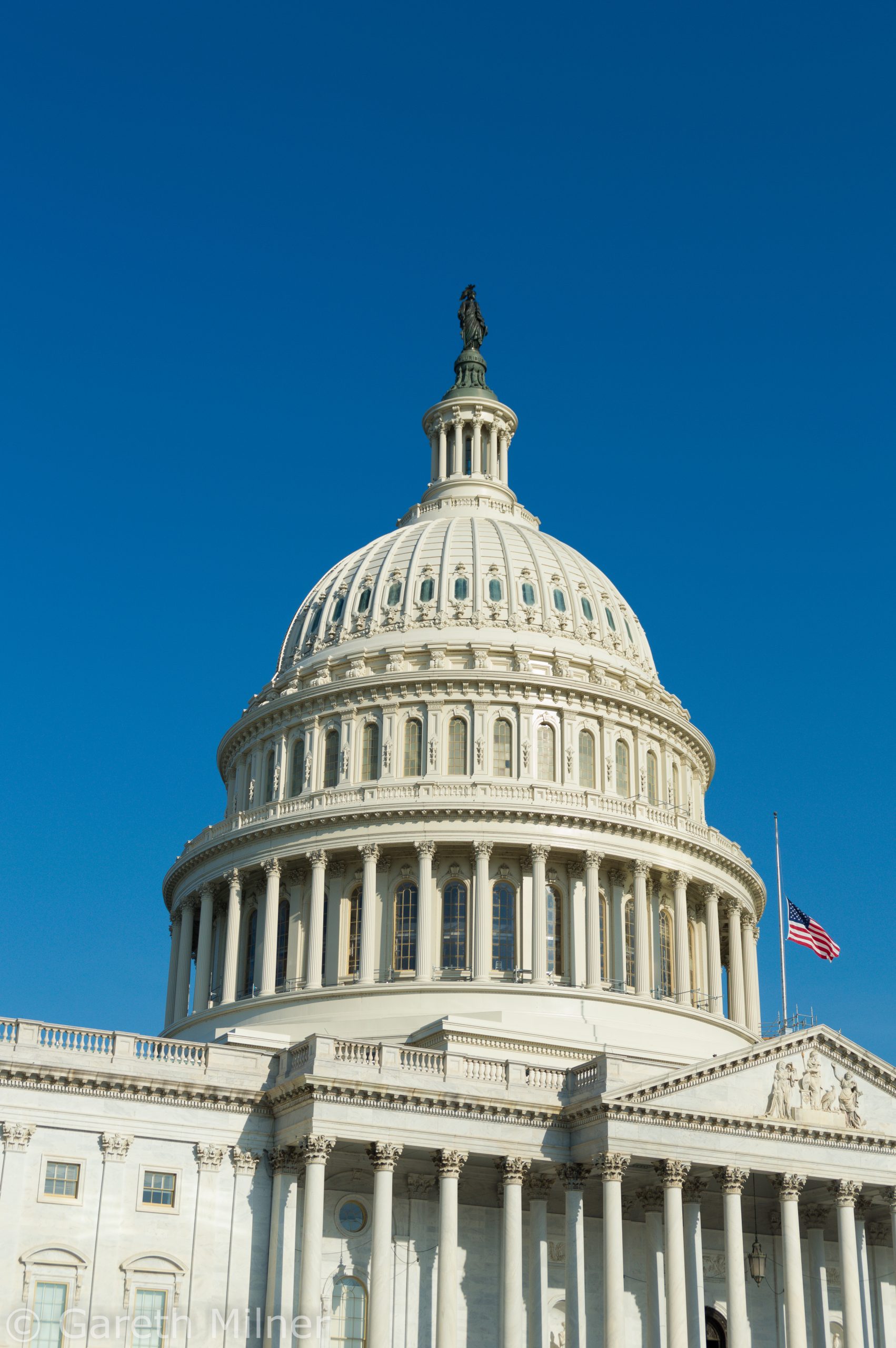
The executive branch, led by the president, then administers those funds through federal agencies. That arrangement can look straightforward until a White House disagrees with how Congress wants money spent, how quickly it should go out, or which programs deserve priority.
Trump’s effort to exercise greater control over federal funds has put that division of power back at the center of the debate. Supporters of a more forceful presidency argue that an elected president needs flexibility to stop waste, reassess outdated programs and ensure agencies are carrying out the administration’s agenda.
Congressional critics see a different risk. If a president can effectively cancel or indefinitely freeze spending that Congress enacted, lawmakers’ spending votes could become suggestions rather than binding decisions.
What counts as an impoundment
The Government Accountability Office defines an impoundment as an executive-branch action or inaction that delays or withholds funding enacted by Congress. The term matters because not every administrative delay is necessarily unlawful, but withholding money can trigger legal obligations and congressional scrutiny.
Congress enacted the Impoundment Control Act in 1974 after disputes over presidents declining to spend money lawmakers had appropriated. The law rests on the premise that the president must obligate appropriated funds unless authorized to withhold them, according to the GAO.
That does not mean a president has no options. The law provides procedures for two principal forms of impoundment:
- Deferrals: temporary withholding of funds in limited circumstances, such as contingencies, savings from greater efficiency or another reason specifically permitted by law.
- Rescissions: proposals to permanently cancel previously approved budget authority.
A rescission proposal gives Congress, not the White House alone, the final say. The president may withhold the money for 45 days while Congress is continuously in session, but the funds must be released unless Congress passes legislation approving the cancellation.
Why Congress is resisting now
Congress’ resistance reflects both policy differences and institutional self-protection. Members of both parties may favor a particular administration’s policy goals in some cases, yet still be wary of creating a precedent that lets any future president bypass Congress on spending.
That concern grows sharper when money is tied to politically sensitive programs, grants to states, infrastructure projects, foreign assistance, public health initiatives or agencies whose missions the White House wants to scale back. A funding pause can have real consequences even if it is later reversed, because agencies, states and contractors may delay planning or halt work while the dispute plays out.
The argument is also not limited to whether a program is worthwhile. A president may contend that spending should be reconsidered because circumstances have changed or because federal dollars are being used inefficiently. Lawmakers can respond that the proper route is to seek a new law, a rescission bill or changes in the next appropriations package.
That is the core tension in the current fight: executive flexibility versus Congress’ authority to make spending law.
The watchdog role of the GAO
The GAO plays an important, though often less visible, part in these disputes. Under the Impoundment Control Act, the Comptroller General reviews presidential special messages proposing deferrals or rescissions and reports findings to Congress.
The agency can also determine whether an executive action amounts to an impoundment that should have been reported to lawmakers. If funding is being withheld without the required process, the GAO may notify Congress and, in certain circumstances, bring a civil action in the U.S. District Court for the District of Columbia to compel the release of funds.
Those procedures are significant because they make funding fights more than political theater. A disagreement may move from public statements and committee hearings into formal legal analysis of whether an agency has complied with appropriations law.
Still, the GAO is not a substitute for Congress. Lawmakers ultimately decide whether to enact new spending restrictions, approve a proposed rescission, use hearings to press agencies for answers or turn to the courts.
Both sides see a constitutional principle
Trump’s allies can frame expanded White House control as responsible stewardship of taxpayer money. They may argue that presidents should not be forced to spend on programs they believe are ineffective, inconsistent with current national priorities or no longer necessary.
Opponents counter that this approach risks giving the executive branch a line-item veto that the Constitution does not provide. The Supreme Court struck down the federal Line Item Veto Act in 1998, ruling that a president cannot unilaterally cancel portions of duly enacted statutes.
The immediate legal questions in any funding dispute depend on the details: whether Congress set a deadline, whether an agency is facing a genuine administrative obstacle, whether a pause is temporary, and whether the White House followed the required notice process. Broad claims about a “funding grab” may capture the political stakes, but each contested pot of money can raise its own statutory questions.
That leaves room for legitimate disagreement without erasing the larger constitutional boundary. Presidents implement appropriations; Congress writes them.
What happens next in the funding fight
The next phase is likely to unfold on several tracks at once. Congress can use annual appropriations bills to write more explicit instructions, restrict transfers of money between accounts, demand reports from agencies and condition funds on compliance with specific deadlines.
Committees can also investigate whether funds were delayed, who authorized the action and whether agencies gave lawmakers adequate notice. If disputes reach court, judges may be asked to decide whether a particular action was a permissible administrative step or an unlawful impoundment.
What remains unclear is how far Trump’s administration intends to press its authority across different programs, and how unified Congress will be when individual spending fights arise. Members may agree in principle that Congress controls appropriations while splitting sharply over the programs at issue.
The lasting significance is not confined to one budget cycle. The struggle over Trump’s federal funding control will help define whether Congress can reliably enforce the spending choices it makes—or whether presidents will have wider practical authority to reshape them after the fact.









Leave a Reply