
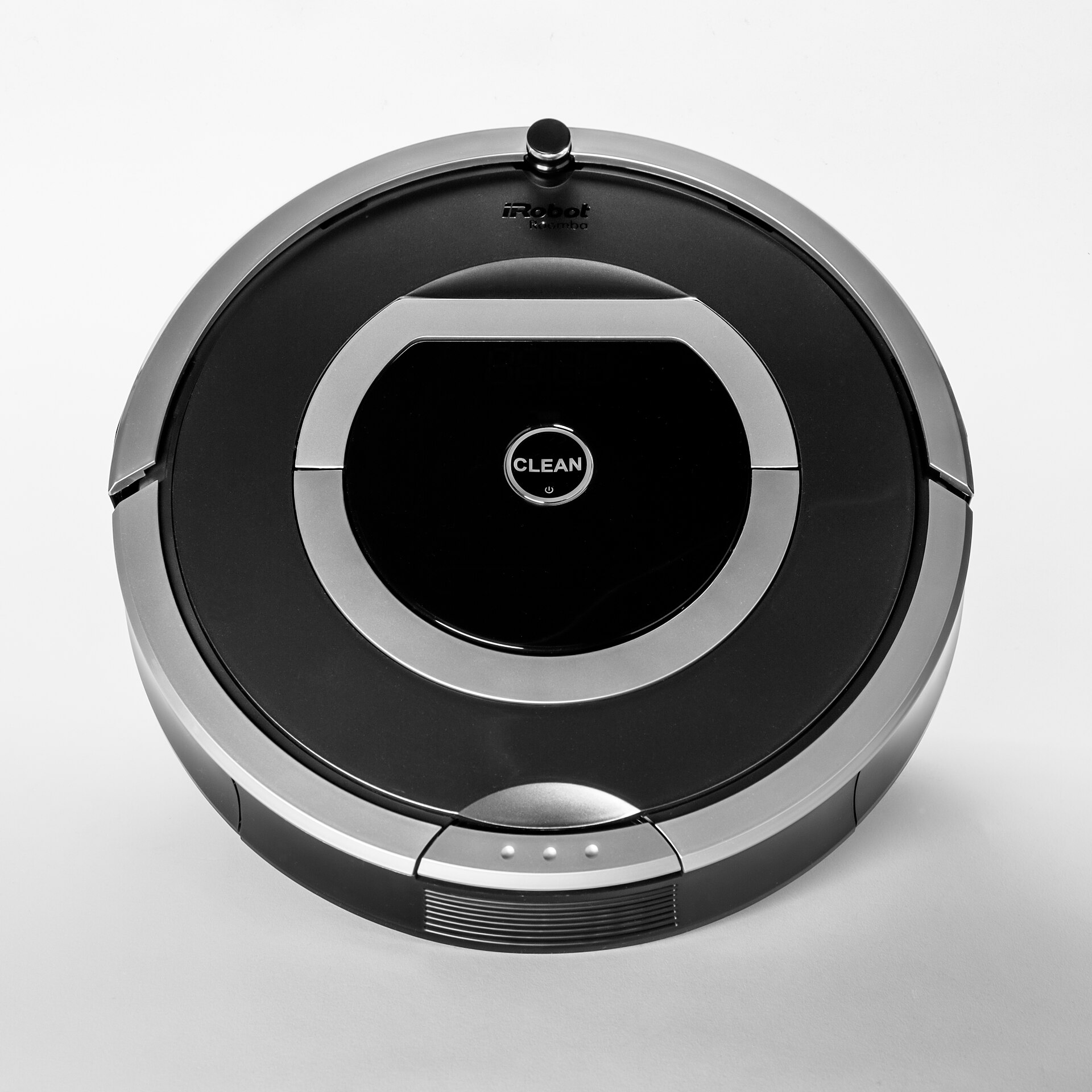
A national security rule aimed at foreign-made robotics has suddenly become a consumer tech story. The clearest immediate takeaway: existing robot vacuums are not being outlawed, but future models could face a tougher path into U.S. homes.
The U.S. Federal Communications Commission banned new foreign-made robot vacuums and other robotic devices in the United States on July 28, 2026, imposing a new restriction because of national security concerns. The rule matters now because robot vacuums, including Roomba models from iRobot, appear to fit the FCC category, and the practical effects on future sales, existing models and company responses are still being sorted out.
The short version: the vacuum already roaming under your couch is not suddenly illegal. The bigger question is whether many new robot cleaners made overseas can keep entering the U.S. market without clearing a now-harder federal screen.
Why the FCC drew the line
The FCC action expands restrictions on foreign-produced technology by adding advanced robotic devices to a covered category tied to national security. The agency’s stated concern is not dust collection. It is the combination of sensors, software, wireless connectivity and supply chains that can make connected machines potential security weak points.
According to the FCC’s announcement, the agency is focused on risks that foreign-made connected equipment could create for U.S. infrastructure, the economy and cybersecurity. That is the same broad logic that has driven years of federal scrutiny over telecommunications gear, connected cameras and other devices that can transmit data or depend on remote software updates.
Robot vacuums became part of the story because they are not simple appliances anymore. Modern models can map rooms, identify obstacles, connect to Wi-Fi, receive over-the-air updates, use cameras or lidar-style sensors, and store or process layout data from private spaces.
That does not mean every device is accused of spying. It means the FCC is treating some foreign-made robotic hardware as part of a larger security perimeter, and that perimeter now reaches the living room.
Why vacuums are swept in
The FCC’s updated definition of advanced robotic devices is broad enough to catch many robot vacuums. USA Today reported that FCC deputy communications director and policy adviser Will Wiquist confirmed the ban covers vacuums.
The definition cited in reporting includes a mechanical mobile device capable of locomotion, obstacle avoidance, navigation or movement on the ground. It also covers devices that operate at a distance from a human operator, weigh more than 4.4 pounds, and include features such as environmental sensors, Bluetooth, Wi-Fi or cellular connectivity, or software that controls navigation.
That description reads like a checklist for many higher-end robot vacuums. A self-guided cleaner that maps a home, avoids chair legs, docks itself and takes commands from an app is no longer just a motorized sweeper.
The policy tension is obvious. The same features that make a robot vacuum useful are the features that make regulators pay attention: autonomy, connectivity, sensors and software.
Your current Roomba is not illegal
The most important consumer point is also the easiest one to miss. The reported restriction applies to new foreign-made devices, not to robot vacuums already sitting in U.S. homes.
If you already own a Roomba or another robot vacuum, the FCC action does not make ownership illegal. There is no indication in the available reporting that consumers must stop using existing devices, return them or remove them from home networks.
What could change is the availability of future models, especially newly manufactured devices that fall under the FCC category and are made outside the United States. Retailers, importers and manufacturers may need more clarity on which products can be marketed, certified or sold.
Software support is another area to watch. The rule is aimed at new devices, but connected products depend on apps, cloud services and updates. The FCC announcement and the company statements reported so far do not fully answer how long-term support for existing models will be handled by every maker.
Why the market feels exposed
Robot vacuums are a global supply-chain product. Many familiar brands are headquartered, assembled or manufactured outside the United States, and the category has grown around overseas production capacity.
USA Today noted that iRobot, the company behind Roomba, began as a U.S. company and launched Roomba in 2002, but was acquired in January by Chinese manufacturer Shenzhen Picea Robotics. The report said Picea operates development and manufacturing facilities in China and Vietnam.
Other major names in the broader robot vacuum market also have deep foreign manufacturing or corporate footprints. Roborock is based in Beijing, Ecovacs is in Suzhou, China, Shark products are manufactured in China and Vietnam, and Dyson is headquartered in Singapore, according to details cited in the same reporting.
That helps explain why some coverage framed the rule as reaching almost the entire category. It is not because the FCC named every robot vacuum one by one. It is because the combination of foreign production and the FCC’s broad robotics definition may leave relatively few mainstream models untouched.
The price issue for buyers
If fewer imported models can easily reach the U.S. market, shoppers could eventually see fewer choices or higher prices. That is not guaranteed, but it is the obvious consumer risk when a category depends heavily on overseas manufacturing.
There are U.S.-based options, but they may not compete at the same price points. USA Today pointed to Matic as a U.S.-based robotics company producing robot vacuums, with its latest vacuum and dock listed at $1,245. By comparison, newer Roomba models cited in the report range roughly from $200 to $700, depending on features such as self-emptying docks.
That gap matters. Robot vacuums moved from novelty to mainstream in part because lower-cost models became widely available. A security rule that narrows supply could turn a once-routine appliance purchase into a pricier decision.
Industry defenders of tougher rules would argue that cheap connected hardware is not always cheap if it creates security exposure. Critics would counter that broad restrictions can punish ordinary buyers before regulators have publicly shown which specific products create the greatest risk.
What companies are saying
The clearest company response so far has come from iRobot. In a statement obtained by USA Today, the company said it was aware of the FCC’s action and was working with the agency to better understand implementation and potential impact.
iRobot also said it remains committed to serving customers and will share updates as more information becomes available. That is a cautious response, but it signals that the company does not yet have, or is not yet ready to share, a complete public roadmap.
That matters because many practical questions sit below the headline. Will certain models be exempt? Will manufacturing location determine the outcome? Will parts, firmware, sensors or ownership structure matter? Will retailers be able to sell already imported inventory?
For now, company responses appear more measured than alarmed. That may reflect legal caution, ongoing discussions with regulators, or uncertainty about how the FCC will enforce the expanded restriction.
What remains unsettled
The FCC’s move turns a familiar household gadget into a test case for connected-device policy. A robot vacuum is small, ordinary and easy to joke about, but it sits at the intersection of consumer convenience, home data, wireless networks and global manufacturing.
The strongest argument for the rule is that connected autonomous devices should not be evaluated only as appliances. If a machine can map private spaces, receive remote updates and connect to a network, regulators may decide it deserves security scrutiny before it enters the market.
The strongest argument against a broad approach is that it can be blunt. Consumers may face higher prices or fewer options even when the public record does not clearly distinguish between high-risk devices and ordinary products with standard app features.
The takeaway is practical: existing robot vacuums are not banned from U.S. homes, but new foreign-made models may face serious federal hurdles. Until the FCC and manufacturers provide more specific guidance, buyers should expect confusion around future availability, model launches and support promises.





Leave a Reply