
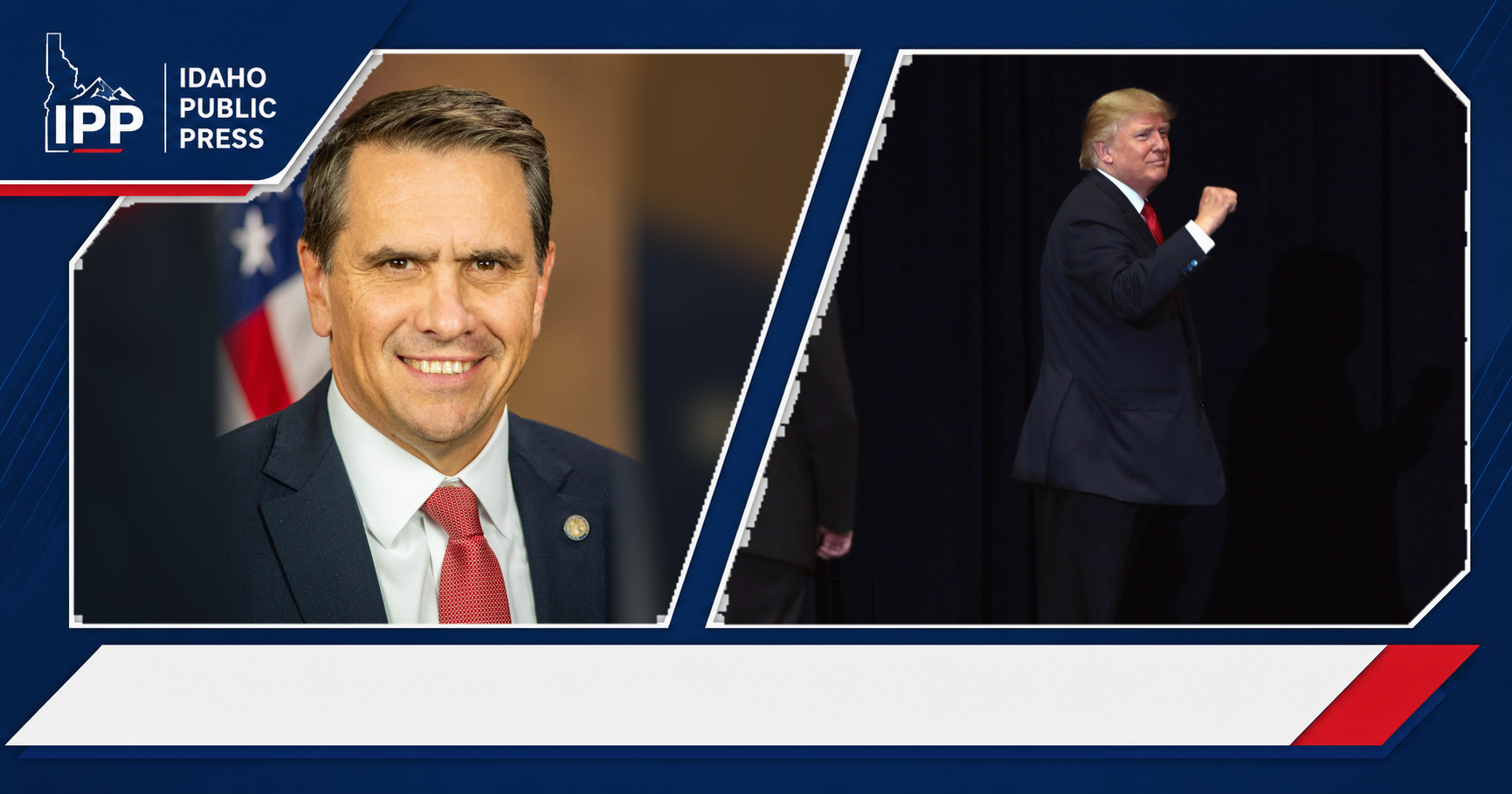
The fight is not just about one nominee. It is exposing Republican unease over a controversial IRS settlement tied to Trump and the narrow timing of Senate confirmations.
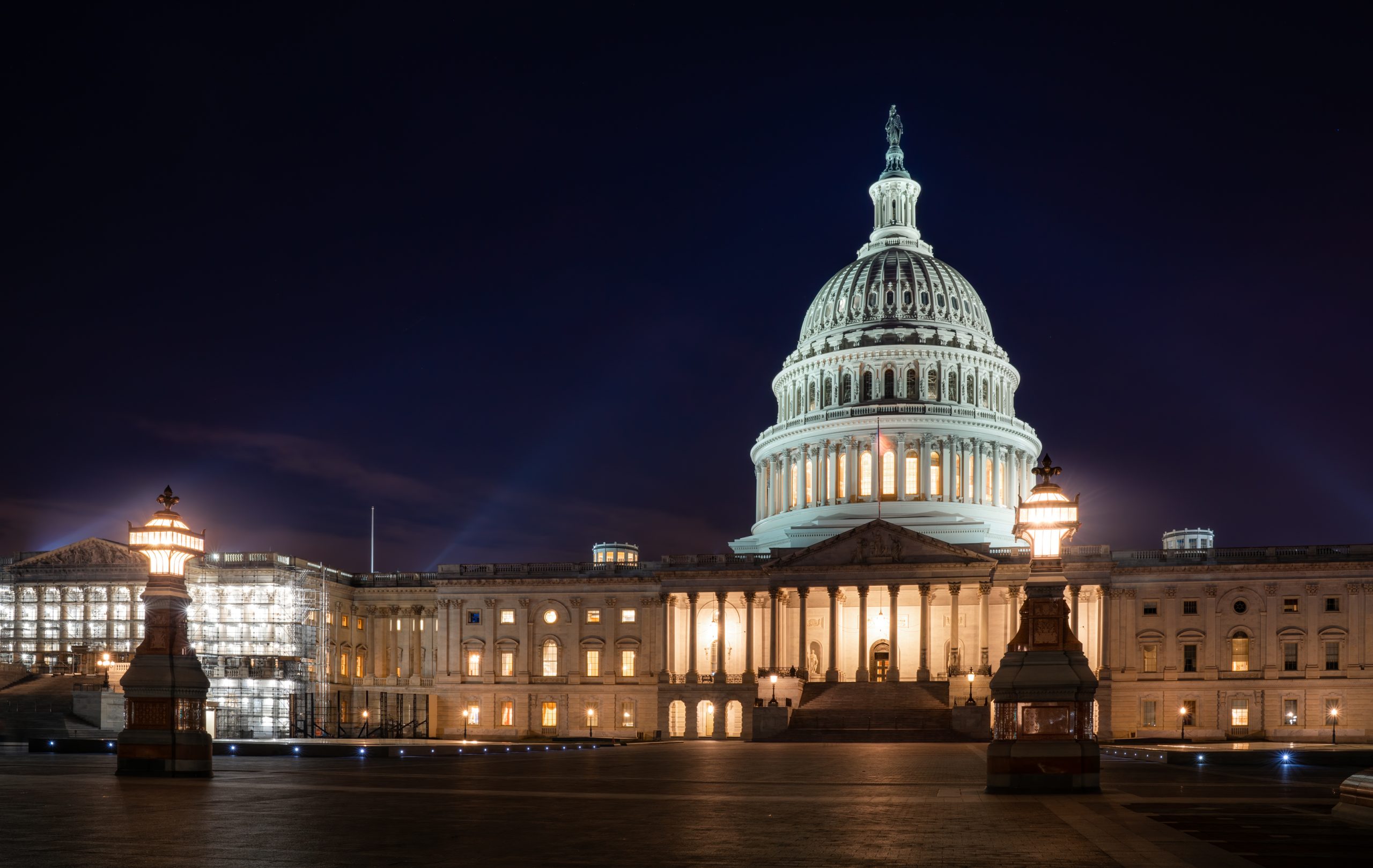
A Senate Republican warned Trump not to delay Todd Blanche’s nomination, saying the U.S. Senate at the United States Capitol in Washington, D.C., could be “very different” if the confirmation fight drags on.
The warning, reported by The Hill, comes as the Senate confirmation fight over Blanche’s nomination to become attorney general has already stalled; delaying the nomination could make the Senate very different by shifting votes, leverage and political incentives before a final outcome.
Blanche’s path just narrowed
Todd Blanche, now serving as acting attorney general, was expected to move one step closer to confirmation when the Senate Judiciary Committee took up his nomination. Instead, the planned committee vote was postponed after key Republicans demanded more answers from the Justice Department, NPR reported.
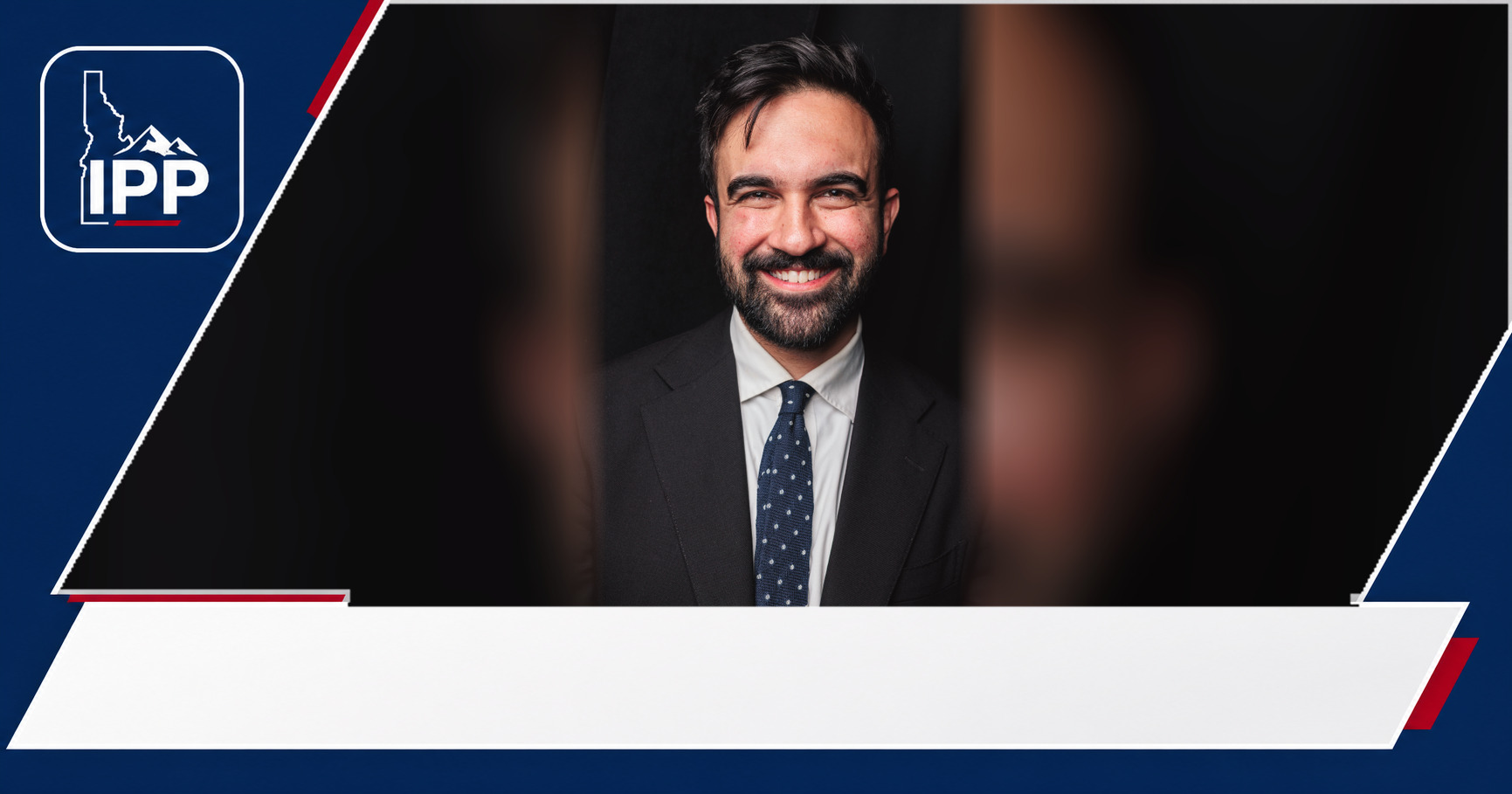
That delay matters because committee support is the gateway to a full Senate vote. If Republicans on the panel are not ready to advance Blanche, Trump cannot simply rely on party control and momentum to carry the nomination forward.
The Judiciary Committee said the vote was being postponed while work continued to secure enough support. That phrasing is Washington code for a nominee who is not yet safe, even if the administration insists the process is still alive.
The dispute centers on the IRS
The immediate fight is tied to the settlement of Trump’s lawsuit against the Internal Revenue Service. According to NPR, Republican Sens. John Cornyn of Texas and Thom Tillis of North Carolina sought additional written assurances about parts of the settlement before allowing Blanche’s nomination to advance.
One issue is a now-scrapped plan for a $1.776 billion “Anti-Weaponization Fund” that would have compensated people who believed they were wronged by the Justice Department. The Justice Department said in June it was no longer moving forward with that fund after bipartisan criticism, but some lawmakers want the administration’s position locked down in writing.
Another issue is the settlement’s tax-audit language. Cornyn has pushed for clarification that the deal covers only existing audits and does not shield Trump from review of future tax filings, NPR reported.
That is why the Blanche nomination has become bigger than a personnel fight. Senators are using the confirmation process to extract commitments about a legal settlement involving the president who nominated him.
Cornyn and Tillis hold leverage
Cornyn has publicly complained that the Justice Department was not giving senators what they needed. He said the department was “stonewalling” and added that “the ball is in Blanche’s court,” according to NPR.
Tillis has also been part of the Republican pressure campaign. In a closely divided committee, even a small number of holdouts can stop a nomination from moving forward, at least temporarily.
The politics around Cornyn are especially complicated. He recently lost the Republican Senate primary in Texas to state Attorney General Ken Paxton, whom Trump endorsed. Trump, asked about Cornyn’s demands, suggested the senator may be upset that Trump did not endorse him, while calling Blanche “outstanding,” NPR reported.
That exchange shows the tension inside the party. Trump wants his nominee confirmed. Some Republican senators want answers first. Both sides know the clock can change the math.
Why timing changes everything
The Hill’s warning line — “This place could be very different” — captures the strategic risk for Trump. Senate confirmations are not decided in the abstract. They are decided by the people in the room, the calendar, the party mood and the pressure senators feel back home.
If a nomination drags out, senators who might have been willing to vote yes can gain new reasons to hesitate. Retiring members, defeated incumbents, primary-tested Republicans and lawmakers facing general-election pressure may all respond differently as the political environment shifts.
The White House can also lose control of the story. A stalled nomination invites more questions about the IRS settlement, Blanche’s prior work for Trump and whether the Justice Department can operate independently under someone so closely associated with the president.
That does not mean Blanche cannot be confirmed. It means delay gives opponents, skeptics and undecided senators more time to shape the terms of the vote.
Ethics concerns remain unresolved
Blanche’s nomination was already sensitive because he previously represented Trump personally. NPR reported that the judge handling the tax-return lawsuit criticized the settlement and expressed concern that Trump had effectively engaged in self-dealing, while also noting Blanche’s role in signing the agreement after having represented him.
Blanche has said he disagrees with the judge’s insinuations about him. The Justice Department has also said it looks forward to continuing to work with senators to address concerns.
Supporters can argue that Blanche is qualified, trusted by the president and capable of leading the department. Critics and cautious Republicans see a different problem: the attorney general is supposed to be the country’s chief law enforcement officer, not merely the president’s defender.
That distinction is why written assurances matter to senators like Cornyn and Tillis. They are not only asking what happened in one settlement. They are asking how much independence Blanche would show if confirmed.
What happens next
The next move belongs to the Justice Department and the senators withholding support. If the department provides language that satisfies Cornyn and Tillis, the Judiciary Committee could revive the vote and send Blanche’s nomination to the full Senate.
If not, the nomination remains stuck in the place where many Washington fights become most dangerous: not defeated, but not moving.
For Trump, the warning against delay is blunt. The Senate he has now may be more favorable than the Senate he faces later, or at least more predictable. Waiting could turn a manageable confirmation problem into a test of whether Republican loyalty can survive legal controversy, committee leverage and a changing political calendar.
For Blanche, the central question is narrower but just as consequential: whether he can reassure enough Republican senators that the IRS settlement will not define his tenure before he ever gets the job.








Leave a Reply