
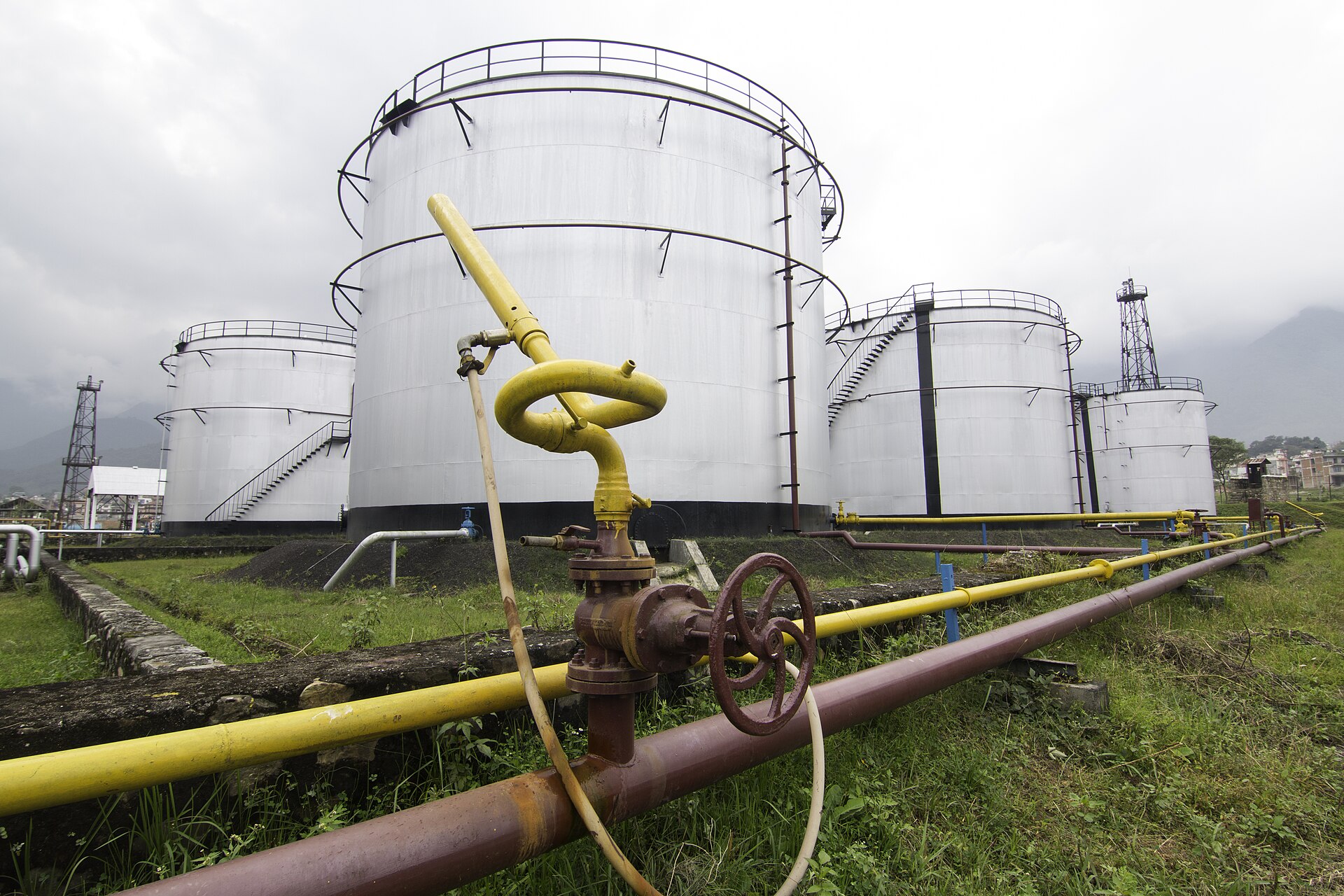
The incidents exposed a familiar weakness in local infrastructure: internet-facing industrial controls that can be found and manipulated. Officials say no contamination has been reported, but the response shows how seriously Washington is treating the risk.
Hackers targeted water systems in several U.S. states in a coordinated cyberattack, disrupting utilities and raising concern among U.S. officials about the security of drinking-water infrastructure. Some utilities issued boil-water notices and switched to manual operations, taking vulnerable systems offline while federal agencies moved to contain the incident.
The Cybersecurity and Infrastructure Security Agency, the FBI and the Environmental Protection Agency are responding to the incident and urging water systems across the United States to secure exposed equipment. Officials say no water contamination has been reported, but the scale of the activity has put federal and state responders on alert.
Utilities moved to manual mode
The immediate danger in a water-system cyberattack is not always a hacker “poisoning” water. Often, the risk is operational: pressure changes, chemical dosing problems, alarms that do not function as expected or equipment that has to be disconnected from the internet to prevent further access.
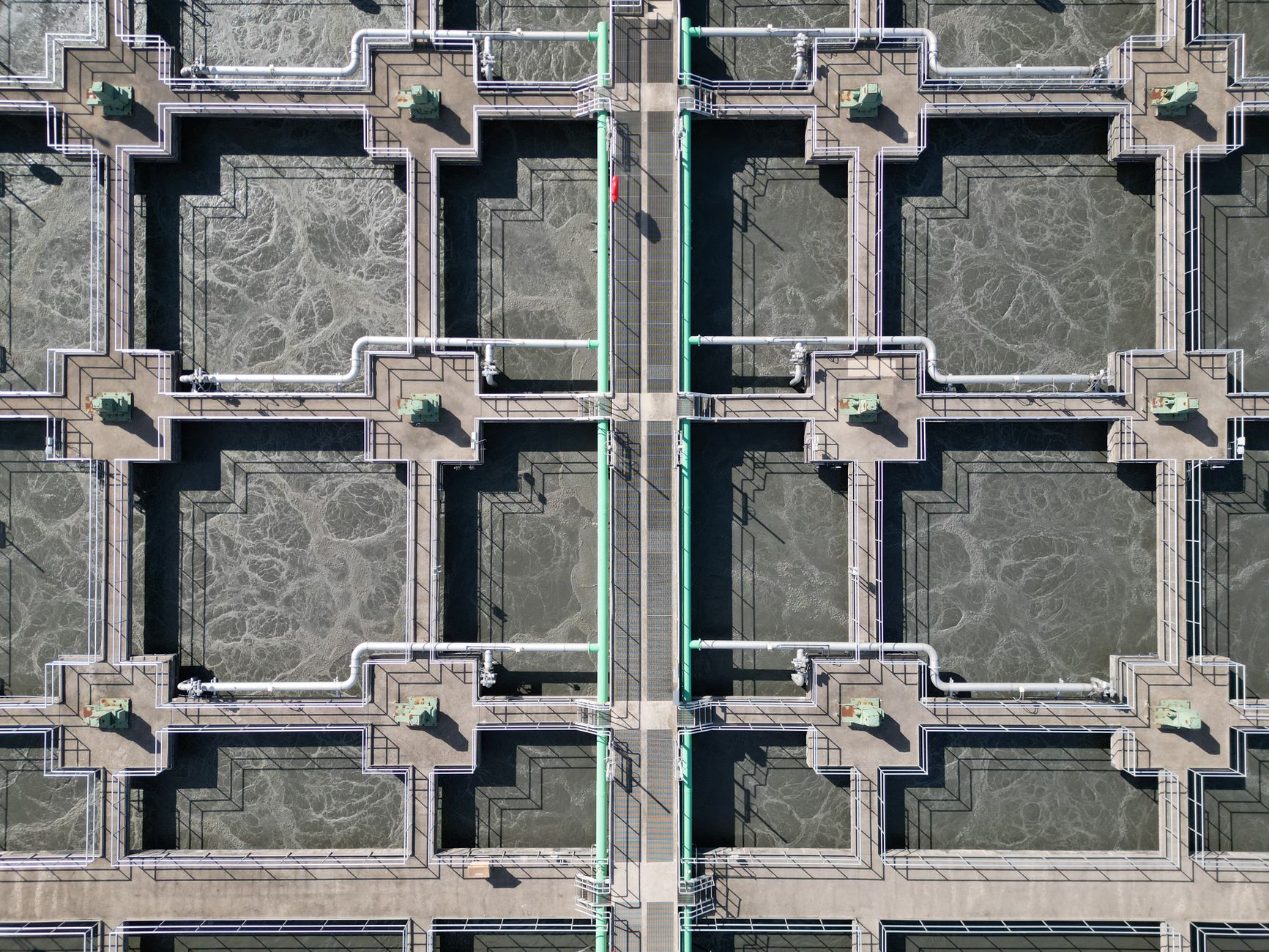
According to U.S. officials cited in reports on the incident, some affected utilities responded by issuing boil-water notices and moving systems into manual mode. That kind of shift can keep service running, but it also means trained workers must monitor and operate equipment directly instead of relying on remote digital controls.
That matters because water utilities are not built like banks or large technology companies. Many serve small communities, run on tight budgets and depend on aging control systems that were designed for reliability first and cybersecurity second.
CISA said in a Thursday warning that hackers were targeting water entities of all sizes and urged facilities to take vulnerable industrial equipment offline. That warning is a sign that officials see this as more than a local nuisance.
Minnesota was the first alarm
The first public sign came from Minnesota, where authorities said hackers targeted about 30 water systems on Sunday night and Monday morning. A memo distributed by the Minnesota Bureau of Criminal Apprehension said the likely desired impact was to cause loss of system pressure and possible contamination of the water supply.
That wording is important. It does not mean contamination happened. Officials have said no incidents of contamination have been reported. But a loss of pressure can create conditions where unsafe water may enter parts of a system, which is why utilities sometimes issue boil-water notices as a precaution.
Wisconsin officials also detected malicious cyber activity at water facilities and urged utilities to take immediate action to prevent potentially serious effects, according to a state Department of Natural Resources memo cited in reports.
Multiple sources familiar with the investigation told CNN that roughly six states have reported related cyber incidents over the last week. Federal officials have not publicly released a full list of affected states or a final technical timeline.
The weak point is exposed equipment
The attacks appear to focus on programmable logic controllers, known as PLCs. These devices help machinery communicate inside water plants and other industrial settings. In water systems, they can help monitor pressure, chemical dosing and other functions that keep service safe and stable.
The concerning part is that the reported intrusions do not appear to require elite technical methods. Officials and analysts described attackers looking for PLCs that are connected to the internet and poorly configured.
That is why the response has centered on getting vulnerable equipment offline. If a device can be reached from the public internet and lacks strong protections, it can become a doorway into a system that was never meant to be exposed that way.
John Israel, Minnesota’s chief information security officer, told CNN that attackers would likely keep looking nationally across infrastructure and “rattle those doorknobs” for weak configurations. The spread of related reports across states suggests that warning was not theoretical.
Attribution remains unsettled
U.S. and state officials are treating Iran as one possible suspect, according to reports, but they have not made a formal determination about who is responsible. Officials are also wary of false flags, where attackers try to make an operation look as if it came from someone else.
That caution is warranted. Cyberattacks on industrial systems can be routed through compromised machines around the world, and public attribution often requires more than a visible target or a familiar tactic.
Iran-linked hackers have previously targeted U.S. water and industrial systems, including incidents that disrupted water and oil-and-gas sites, according to prior reporting. That history makes Iran a plausible line of inquiry, not a proven answer.
President Donald Trump, speaking at a cabinet meeting Friday, cast doubt on whether Iran was involved and criticized Minnesota authorities. His comments added a political layer to an investigation that federal cybersecurity agencies are still treating as unresolved.
Why water is a soft target
Water systems are essential infrastructure, but they are often locally run and unevenly resourced. A large city may have a dedicated cybersecurity team. A small water district may have a few employees juggling operations, compliance and emergency response.
That gap has worried security specialists for years. The water sector relies on remote access because it is useful: operators can check systems without driving to a facility, vendors can troubleshoot equipment and small teams can stretch limited staff.
The same connectivity also gives attackers a path in when safeguards are weak. Joshua Corman, an industrial cybersecurity expert and co-founder of the volunteer group I Am The Cavalry, told CNN that water systems have benefited from remote access, but so have people who wish harm.
The trade-off is now impossible to ignore. Disconnecting equipment can reduce exposure, but it can also make operations less efficient. Keeping systems online can save money and time, but only if utilities can secure them properly.
What officials are doing now
The federal response is focused on containment, alerts and defensive guidance. CISA, the FBI and EPA have been working with state officials and utilities to identify vulnerable systems, share technical information and help operators prevent additional disruption.
For local utilities, the practical steps are familiar but urgent:
- Identify industrial devices that are reachable from the public internet.
- Disconnect or restrict access to vulnerable PLCs and related equipment.
- Use strong authentication and remove default passwords.
- Monitor for unusual pressure, dosing or system-control changes.
- Prepare manual operating plans before a cyber incident forces the issue.
The unanswered questions are still significant. Officials have not named a responsible actor, provided a complete state-by-state breakdown or explained whether all affected systems were hit by the same group using the same method.
The clearest takeaway is that the water sector’s cybersecurity problem is no longer abstract. Even without reported contamination, a coordinated campaign against utilities in multiple states can force boil-water notices, manual operations and a federal scramble to protect one of the country’s most basic services.




Leave a Reply