
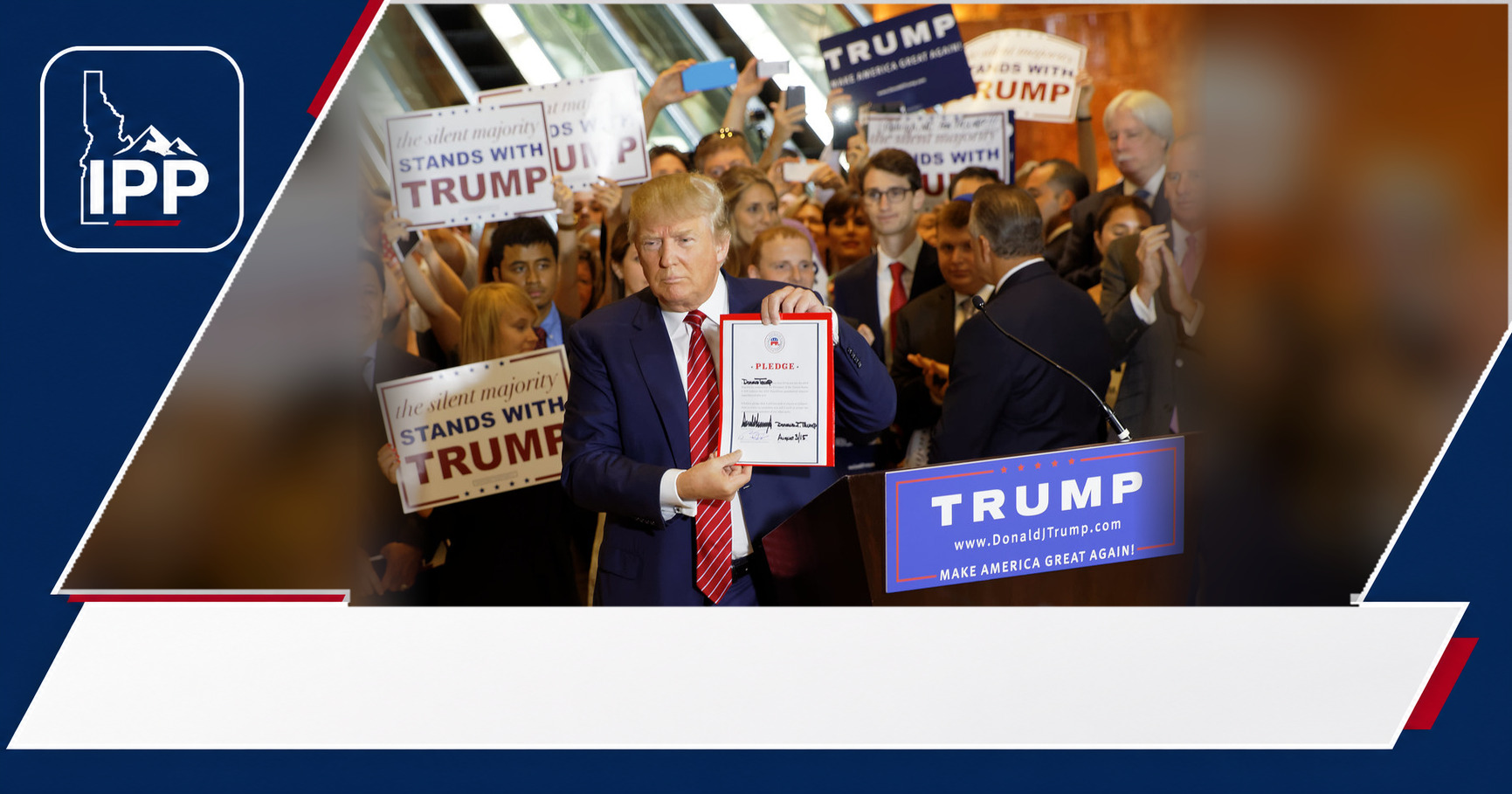
The fight is not only about Jeffrey Epstein’s crimes. It is about whether Trump’s own Justice Department can satisfy a transparency demand it helped raise.
The Trump administration is facing a second Epstein scandal, with the controversy being framed as worse than the original Epstein scandal because Donald Trump is linked to Epstein-related allegations through public scrutiny of his past association with Jeffrey Epstein and, now, through his administration’s promises to release federal files. As the Trump admin stares down renewed scrutiny, the issue is no longer only Epstein’s crimes; it is government credibility.
A Raw Story analysis put that political risk in sharp terms, but the underlying pressure comes from the administration’s own transparency push. On February 27, 2025, the Justice Department announced what it called the first phase of declassified Epstein files, setting expectations that the public would finally see more of the federal record.
Why this risk is different
The first Epstein scandal centered on Epstein himself: his abuse, his network, his 2008 conviction, his later federal sex-trafficking case, and his death in custody in 2019 while awaiting trial. The renewed controversy has a different target. It is about what the government has, what it releases, what it withholds and whether powerful names are treated consistently.

That is why the politics are combustible for Trump. The administration did not merely inherit public suspicion around Epstein. It promised to pierce it.
Once an administration makes transparency the standard, every missing page becomes a political problem. Every redaction invites a theory. Every delay can look like protection, even when there may be lawful reasons for withholding material.
The DOJ raised expectations
The Justice Department’s February 2025 announcement said Attorney General Pamela Bondi, working with the FBI, had declassified and publicly released files related to Epstein. DOJ described Epstein as a convicted sex offender who sexually exploited more than 250 underage girls at homes in New York and Florida, among other locations.
Bondi framed the release as a fulfillment of Trump’s promise. In DOJ’s statement, she said the department was following through on President Trump’s commitment to transparency and “lifting the veil” on Epstein and his co-conspirators.
FBI Director Kash Patel used even stronger language. DOJ quoted him saying there would be “no cover-ups, no missing documents, and no stone left unturned.” That kind of pledge can reassure supporters in the moment. It also creates a yardstick critics can use later.
The first release was not presented as complete. DOJ said the first phase largely contained documents that had previously leaked but had not been formally released by the U.S. government. That detail matters because a formal release is different from a revelation.
The missing-documents problem
The most politically sensitive part of DOJ’s statement may not have been the files it released. It was the admission that the document production was incomplete.
According to DOJ, Bondi requested the full and complete Epstein files and initially received approximately 200 pages of documents. She was later told there were thousands of pages related to the Epstein investigation and indictment that had not previously been disclosed.
Bondi then asked the FBI to deliver the remaining documents by 8:00 a.m. on February 28 and tasked Patel with investigating why the request for all documents had not been followed, DOJ said.
That sequence is exactly why the new controversy can be framed as more damaging than the original political problem. The administration is not only responding to Epstein’s legacy. It is explaining the performance of its own law enforcement agencies after publicly promising total transparency.
Trump’s exposure is political
Nothing in the DOJ release cited here establishes criminal wrongdoing by Donald Trump. That distinction is essential. The renewed scrutiny is about Trump’s past public association with Epstein, the political ecosystem around the files and the administration’s handling of records.
Trump has long faced questions because he and Epstein were known to have socialized years ago, and because Epstein’s case has become a magnet for speculation about powerful people. In politics, proximity can become a liability even when it is not proof of misconduct.
The risk for Trump is magnified because his administration is now positioned as both messenger and gatekeeper. If the files satisfy the public, the White House can claim transparency. If they are seen as incomplete, selective or over-redacted, suspicion may shift from Epstein’s network to the administration’s choices.
That is the “worse” argument at the center of the analysis: a scandal about a dead offender can become a scandal about a sitting administration’s credibility.
Victims make disclosure harder
The demand to release everything runs into a serious constraint: the people Epstein abused. DOJ said it intended to release remaining documents after review and redaction to protect the identities of Epstein’s victims.
That is not a technical footnote. Epstein’s crimes involved minors, sexual exploitation and deeply sensitive personal information. A reckless document dump could expose survivors to renewed harm, harassment or unwanted publicity.
At the same time, heavy redactions can fuel the belief that officials are shielding powerful people. That tension is not easy to resolve. Transparency advocates want names, timelines and accountability. Victim-protection advocates want privacy, legal care and restraint.
The administration’s challenge is to prove that redactions are being used to protect victims and legitimate investigative interests, not to soften political damage.
What remains unresolved
The central unanswered question is whether the full government record will be released in a way the public sees as credible. DOJ’s own statement acknowledged there were thousands of pages not included in the initial production. That alone guarantees continued scrutiny.
Another unresolved issue is how much of the material is genuinely new. If future releases mostly formalize documents already leaked, the transparency push may disappoint even supporters who expected major revelations.
There is also the question of process. Who decides what is redacted? What standard is used? Will there be an index, explanation or independent review that helps the public understand what is being withheld and why?
The Epstein files have always mixed real horror, legitimate accountability demands and rampant speculation. The Trump administration’s problem is that it stepped directly into that mix with sweeping promises. Now it has to show that “no cover-ups” is more than a slogan.





Leave a Reply