

The clash turns a personnel vote into a test of how far Senate Republicans are willing to go with Trump’s promise to compensate allies who say they were targeted by the government.
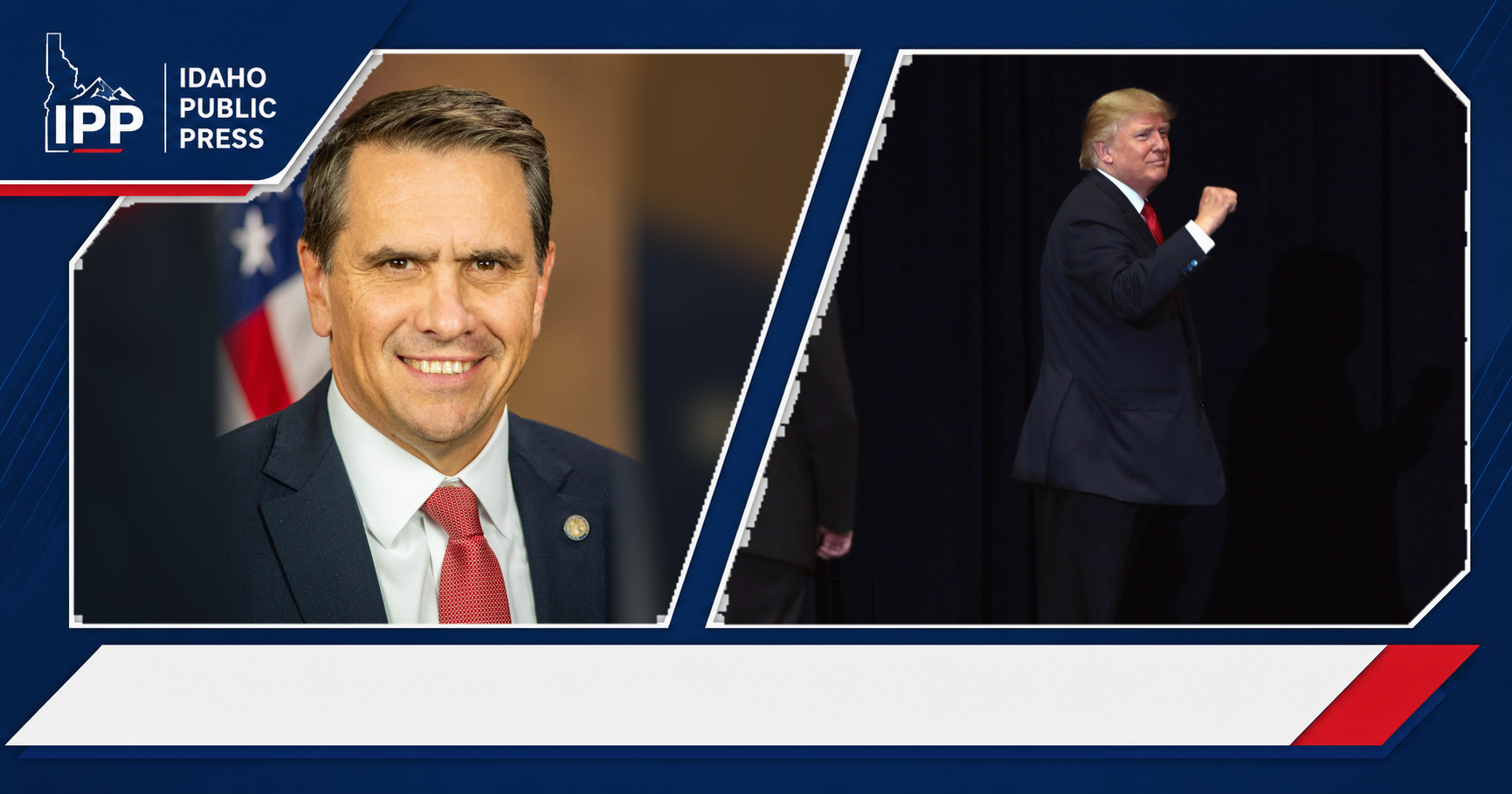
Donald Trump is angry about a stalled $1.776 billion — roughly $1.8 billion — anti-weaponization fund, and Todd Blanche’s attorney general confirmation in the U.S. Senate is now tied to the dispute. On Friday, Trump said Jan. 6 Capitol riot defendants were “hunted down like dogs”; by Tuesday, the Senate Judiciary Committee is expected to reconsider Blanche as Sens. John Cornyn and Thom Tillis withhold support over the fund.
Trump is pushing to revive payouts for people he says were unfairly pursued, while the Republican senators want written assurance that the Justice Department will not create the fund. The online shorthand — “Trump throws tantrum” — captures the heat, but the real fight is colder: whether a confirmation vote can be used to block a presidential priority before it becomes policy.
A nomination becomes leverage
The Senate Judiciary Committee has scheduled a Tuesday meeting to consider Blanche’s nomination, according to The Guardian. That timing matters because the dispute is unfolding just as lawmakers are trying to move nominations before the August recess.
A spokesperson for Sen. Chuck Grassley, the Iowa Republican who chairs the committee, said Grassley “wants Todd Blanche’s nomination to be successful” and would like to see him confirmed before the break. The spokesperson described Blanche as having “an excellent record restoring law and order and keeping Americans safe.”
That support has not ended the standoff. Cornyn and Tillis, both Republicans, are seeking written confirmation that the Justice Department would not establish the proposed anti-weaponization fund. Blanche has reportedly told senators the fund is dead, but has not agreed to put that assurance in writing.
That gap — verbal reassurance versus written commitment — is where the nomination is stuck. For Trump, it reads as disloyalty. For the holdouts, it appears to be a practical attempt to stop a controversial payout mechanism before Blanche is confirmed.
The payout fight underneath
The proposed fund has been described by critics as a slush fund and by supporters as a way to compensate people who say they were wrongfully targeted by the government. The label matters because it frames the same pool of money in opposite ways: either political payback or redress for government abuse.
Trump has made clear he wants the idea revived. During a Cabinet meeting Friday, he said of the fund, “It is dead, but I wish it weren’t, to be honest with you,” adding that he believed people were “horribly treated” and should be compensated “for the pain.”
He later escalated on Truth Social, saying the fund “will not benefit me” but would help “the great American Patriots who were hunted down like dogs and whose lives were unfairly and illegally destroyed.” That line is now central to the political backlash because it links the proposed money to Trump’s long-running defense of Jan. 6 defendants.
The fund was reportedly crafted as part of a legal settlement involving Trump and the Justice Department to resolve his $10 billion lawsuit against the IRS over the alleged mishandling of his tax records. That adds another layer of sensitivity: the proposal is not just about symbolic support for allies, but about federal money, federal power and a settlement tied to Trump’s own legal claims.
Why Cornyn and Tillis balked
Tillis has been especially direct about his objection. He has said people who attacked law enforcement during the Jan. 6, 2021, Capitol riot should still be in prison and should not receive checks from the federal government.
His concern is narrower than Trump’s framing. Trump talks about people he says were unfairly pursued. Tillis is warning that a broad payout pot could reward individuals convicted or accused of violence against police at the Capitol.
Cornyn and Tillis also object to an IRS-related deal that would reportedly prevent tax audits of Trump and his associates. That concern pushes the fight beyond Jan. 6 and into whether a Justice Department led by Blanche would protect Trump’s interests too aggressively.
Trump has accused Cornyn of blocking Blanche because Trump endorsed Texas Attorney General Ken Paxton, Cornyn’s Republican primary challenger. Trump also suggested Cornyn and Tillis were angry over endorsements. Those claims turn an institutional dispute into a personal loyalty test, which is often where Senate Republican disagreements with Trump become hardest to resolve.
Blanche is caught in the middle
Blanche is not a neutral figure in Trump’s orbit. He previously served as Trump’s personal attorney, a credential that appeals to Trump loyalists and alarms critics who worry about independence at the Justice Department.
For senators on the fence, Blanche’s own answer on the fund is crucial. Saying the fund is dead may be politically useful. Refusing to put that in writing leaves room for Trump to revive it through another route, including legislation or a future Justice Department action.
Tillis made that concern explicit after Trump’s comments, saying the president “clearly intends to resurrect the payout pot” either through another fund or by pushing Congress to vote on a bill. He said it was unfortunate because he considers Blanche qualified, but warned the reversal could prevent confirmation unless resolved.
That is the unusual feature of this fight: Blanche may have enough Republican respect to be confirmed on the merits, while still being blocked because senators do not trust the policy environment around him.
The Jan. 6 politics remain volatile
Trump’s “hunted down like dogs” language speaks directly to his base, which has long viewed Jan. 6 prosecutions as part of a broader campaign against Trump supporters. For those voters, an anti-weaponization fund sounds like restitution.
For opponents, the same idea looks like using federal money to validate false or exaggerated claims of persecution, potentially including people involved in the Capitol attack. That is why the issue cuts differently from a standard nomination dispute. It forces senators to take a position not only on Blanche, but on Trump’s preferred history of Jan. 6.
The Senate fight also shows how difficult it is for Republicans to separate personnel from policy in a second Trump administration. A nominee can be personally acceptable, yet become a proxy for larger concerns about retribution, executive pressure and the use of public funds.
There is also a practical question hanging over the standoff: if Blanche is not confirmed, can Trump keep him in an acting role or leave the nomination pending long enough to maintain influence at the department? The Guardian noted that Blanche may not need formal Senate confirmation to serve while his nomination remains pending and is not formally rejected or withdrawn.
What to watch by Tuesday
The immediate question is whether Blanche, the Justice Department or White House allies provide the written assurance Cornyn and Tillis want. Without it, the committee meeting could become less a confirmation step than a public measure of Republican resistance.
Trump has threatened to withdraw Blanche’s nomination, keep him in an acting capacity and “push hard” for the anti-weaponization bill. That threat gives senators a choice: approve Blanche and risk the fund’s revival, or block him and risk an open clash with Trump over a nominee many Republicans otherwise support.
The politics are messy because both sides can claim a law-and-order argument. Trump’s allies can say the fund corrects government overreach. Tillis and others can say taxpayers should not compensate people who attacked police or undermined the peaceful transfer of power.
What remains unclear is whether this is a temporary pressure campaign or a durable Senate red line. If the written assurance appears before Tuesday, Blanche’s path could reopen quickly. If not, Trump’s $1.8 billion priority may keep crumbling in real time — not because Democrats stopped it, but because enough Republicans refused to sign off without guardrails.






Leave a Reply