
The clash matters because it comes from a free-market editorial page, not Trump’s usual political opposition. It also exposes the limits of using Wall Street records as a shorthand for how the broader economy is doing.
The Wall Street Journal editorial board criticized Donald Trump’s economic claims, challenging the president’s celebration of record stock prices while saying the United States economy is tepid. The dispute over record stock prices matters because Trump has cast Wall Street gains as a measure of his presidency, while the Journal’s opinion page is arguing that Trump’s policies are slowing growth rather than proving strength.
The clash puts a familiar Trump message under pressure from an institution that usually speaks the language of markets, tax policy and business confidence. It is not a fight over whether stocks can hit highs. It is a fight over what those highs actually prove.
A market-friendly critic pushes back
The Wall Street Journal editorial appeared under the headline The Tepid Trump Economy in the paper’s July 31, 2026, print edition, according to the Journal’s listing for the piece. The title alone is a pointed rebuttal to Trump’s preferred framing: that record stock prices are evidence of a strong presidency and a roaring economy.
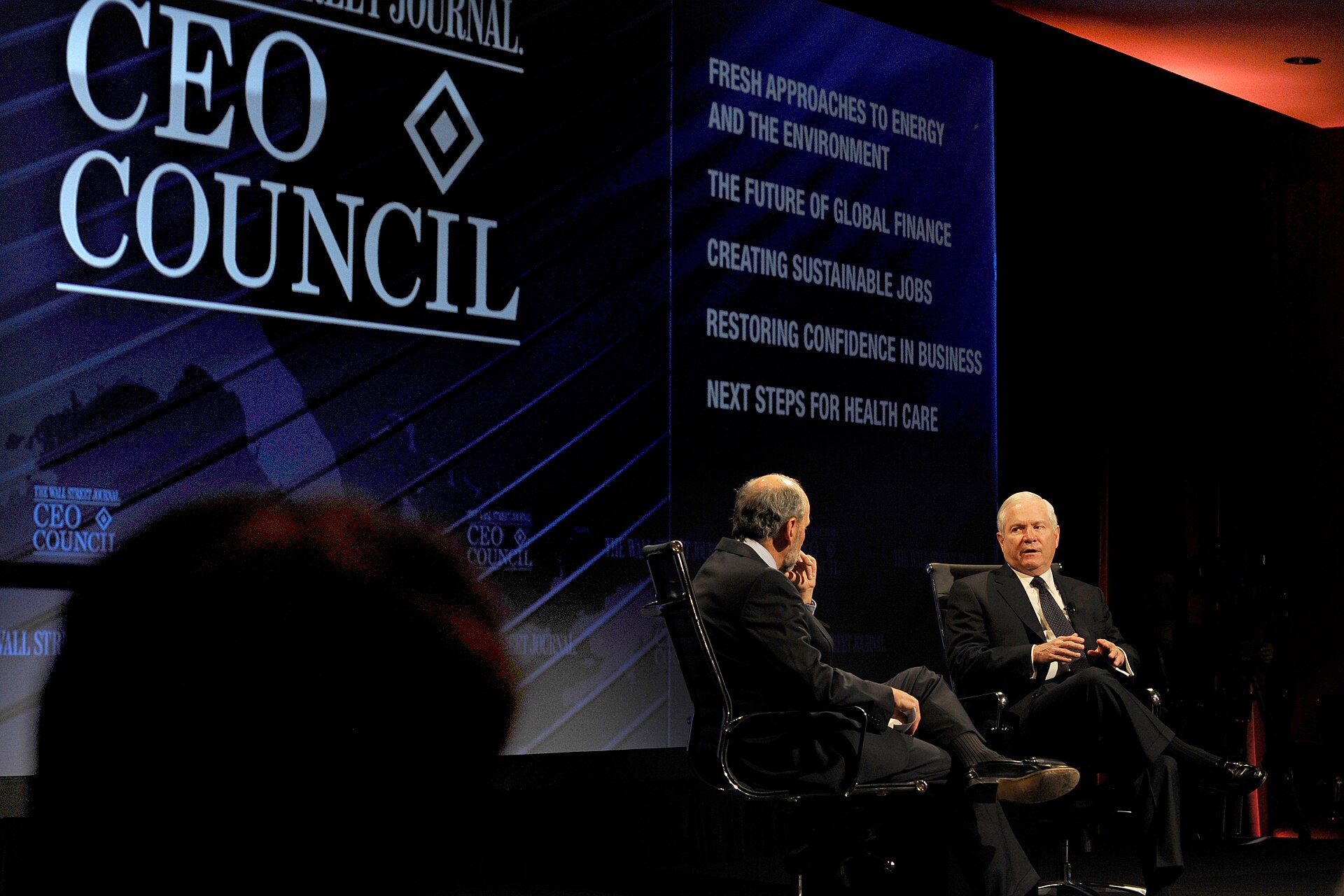
That distinction matters because the Journal’s editorial board is not positioned as a progressive critic of Trump. Its own author page says the board speaks for “free markets and free people” and stands for “free trade and sound money.” When that page calls an economy tepid, the criticism lands from inside the pro-business argument, not outside it.
The available source material indicates the board ties slower growth to Trump’s policy choices, with tariffs at the center of the debate. That turns the stock-market argument into something more complicated: investors may bid up shares for many reasons, but trade policy, business costs and growth expectations can still be flashing warning signs.
Trump’s favorite scoreboard is Wall Street
Trump has long treated stock prices as a public scoreboard. Reuters reported in July 2026 that he had increasingly cast Wall Street gains as a measure of his presidency, including record stock prices. That style of economic messaging is simple, visual and politically useful: if the market is up, the pitch goes, the country is winning.
The problem is that the stock market is not the whole economy. It reflects investor expectations, corporate earnings, interest-rate assumptions, artificial intelligence optimism, global capital flows and sometimes relief that a feared policy did not turn out as harshly as expected. It can rise even when households feel squeezed or businesses are delaying decisions.
That is why the Journal’s critique is more than a semantic fight over one adjective. Calling the economy tepid challenges the idea that market records automatically translate into broad-based strength. It asks whether the growth engine is actually accelerating or whether Wall Street is masking weaker signals elsewhere.
It also puts Trump in a familiar bind. If he claims credit for records, critics can ask whether he also owns market sell-offs, hiring slowdowns or corporate caution linked to policy uncertainty.
Tariffs complicate the victory lap
Tariffs are the policy backdrop that makes this dispute sharper. The Journal editorial’s web address references GDP, Trump, tariffs and Treasury Secretary Scott Bessent, signaling the economic-growth argument behind the board’s criticism. The extracted source brief says the board blames Trump’s policies for slowing growth.
That critique lines up with earlier market turbulence around Trump’s trade agenda. Forbes reported in April 2025 that Trump celebrated what he called the “largest gain in the stock market in history” after a major rally, while noting the claim was based on point gains rather than percentage gains, a more meaningful way to compare market moves across time.
Forbes also reported then that major indexes remained down from Election Day and Inauguration Day, and that losses followed Trump’s announcement of larger-than-anticipated country-by-country tariffs. Stocks later recovered after the administration paused or exempted some goods from severe duties, but the episode showed how tariff policy could both rattle and rescue markets depending on the day’s announcement.
That volatility is central to the Journal-style objection. A one-day rally, a record close or a relief bounce can be real and still not answer the larger question: are policy choices making it easier or harder for companies to invest, hire and expand?
Why the word tepid stings
“Tepid” is a deliberately restrained word, which is why it cuts. It does not say collapse. It does not say recession. It says underwhelming, lukewarm, not living up to the sales pitch.
For Trump, who favors superlatives, that kind of critique is politically irritating. His economic brand leans on phrases like record highs, historic gains and the idea that business confidence returns when he is in charge. The Journal’s editorial board is effectively saying: the market headline is not enough.
There are competing interpretations. Trump’s allies can argue that stock records show investors expect stronger profits, lighter regulation or better long-term conditions. They can also say markets are forward-looking and that the benefits of policy changes may take time to appear in growth data.
The opposing view is that markets can celebrate corporate winners while tariff costs, uncertainty and uneven gains weigh on the broader economy. Reuters’ framing that many Americans are not “in the game” of the stock market captures that tension: Wall Street records can be meaningful without being universally felt.
The economy beyond the indexes
The central question is not whether stock prices matter. They do. They shape retirement accounts, corporate financing, consumer confidence among investors and the political mood around prosperity.
But indexes such as the S&P 500, Nasdaq and Dow Jones Industrial Average are narrow instruments for judging the health of the United States economy. They skew toward large public companies, and their gains can be concentrated in a handful of firms or sectors. They do not directly measure wages, small-business margins, household debt, rent, grocery prices or whether manufacturers are absorbing higher import costs.
That is why the editorial board’s criticism has traction. A president can point to Wall Street and see validation. An economic editorial page can look at growth, trade policy and incentives and see softness.
Both claims can exist at the same time: the market can be high, and the economy can still feel tepid. The political fight is over which reality voters and businesses should treat as the better measure.
What remains unclear
The available excerpt does not provide the full Journal editorial, the specific growth figures it cited or the complete policy chain it used to blame Trump’s agenda for slower growth. That leaves important details unresolved, including how much weight the board placed on tariffs versus other factors such as interest rates, inflation, federal spending or business investment.
It is also unclear how durable the market records will be. If stocks keep rising and economic data improves, Trump will have an easy answer to the tepid label. If growth stays soft or tariff-related uncertainty continues, the Journal’s critique will look less like a partisan jab and more like an early warning from a market-oriented corner.
For now, the dispute exposes the weakness in a stock-market-only argument. Record prices can help a president’s message, but they cannot settle the broader economic verdict by themselves.









Leave a Reply