
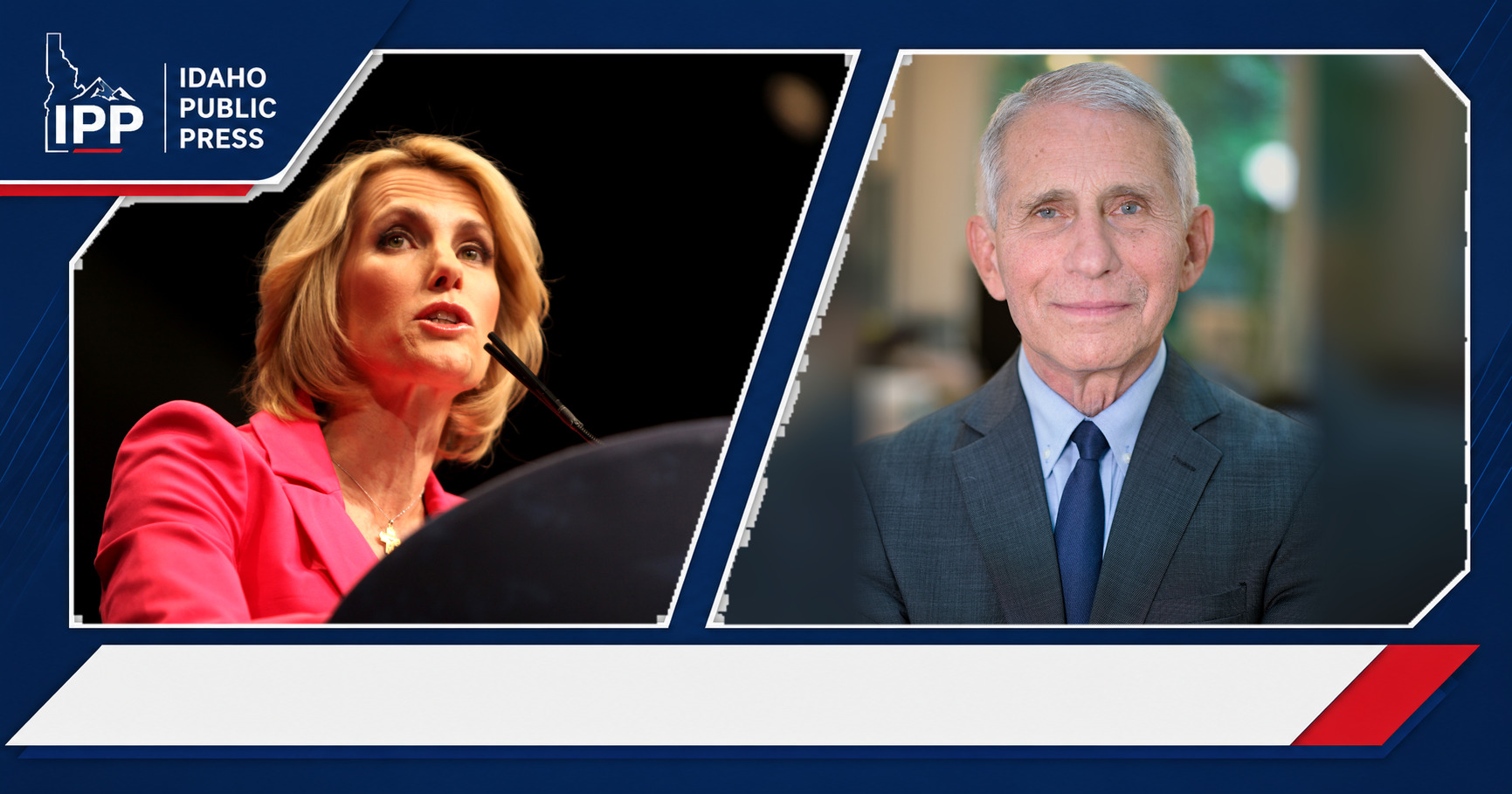
The flare-up is not just a family dispute. It shows how hearings involving Anthony Fauci have become political theater as much as oversight.
Laura Ingraham was criticized by her brother over her behavior at a Fauci hearing, according to a Daily Beast item surfaced on MSN. The article explains what Laura Ingraham did at the hearing: she was accused of turning Anthony Fauci’s questioning into a spectacle with hearing antics while Fauci answered questions, and it includes her brother Curtis Ingraham’s reaction and criticism of her conduct.
The friction matters now because Fauci hearings are no longer just policy sessions. They are stages where pandemic anger, conservative media, public-health accountability and a bitter family rift can collide in real time.
A family rebuke goes public
The headline point is simple: Laura Ingraham’s conduct around a Fauci hearing drew criticism from inside her own family. That is why the story traveled beyond the usual partisan lanes.
Curtis Ingraham is not a casual critic. NBC News previously identified him as Laura Ingraham’s older brother and reported in 2018 that he had publicly lashed out at the Fox News host over her views and commentary. In that earlier interview, he used unusually harsh language, saying he thought she was “a monster” and accusing her of lacking emotional compassion.
That history gives the latest criticism a sharper edge. A partisan opponent calling Ingraham theatrical would be expected. A brother doing it taps into a more personal story: a famous conservative broadcaster whose public persona has long been challenged by someone who grew up in the same household.
The available extract of the newly surfaced item does not provide a full transcript of the brother’s latest remarks or a frame-by-frame account of the hearing conduct. The confirmed center of the story is narrower but still newsworthy: Ingraham’s behavior at a Fauci hearing became the subject of criticism from her brother, reviving a years-old public family split.
Why Fauci hearings ignite theater
Anthony Fauci remains one of the most polarizing figures from the Covid era. For supporters, the former longtime head of the National Institute of Allergy and Infectious Diseases represents scientific expertise under political pressure. For critics, he became the face of lockdowns, masking guidance, school closures, vaccine policy and government credibility disputes.
That makes any hearing involving Fauci more than a standard oversight event. Lawmakers question him about decisions, communications and public-health judgments. Television personalities and political influencers often treat the same room as a symbolic arena.
Ingraham’s role in that environment matters because she is not merely an observer with a private opinion. As host of Fox News’ The Ingraham Angle, she has helped shape conservative-media conversations about Covid policy, public-health officials and federal power.
To her defenders, aggressive scrutiny of Fauci is overdue accountability. To critics, the repeated focus on Fauci has often veered into personal targeting and performance. The brother’s criticism lands inside that divide.
Ingraham’s role is the story
Laura Ingraham has built a brand on combativeness. Her appeal to many viewers is that she says what institutional conservatives, public-health officials and mainstream outlets often will not. That posture has made her influential and frequently controversial.
At a hearing centered on Fauci, even small gestures can be read politically. A facial expression, a visible reaction, a side exchange or a theatrical flourish can circulate online as proof of either fearless dissent or unserious grandstanding.
That is the trap of televised oversight in the social-media era. The formal business may be testimony, evidence and questioning. The public memory often becomes the clip, the reaction shot, the insult or the moment someone seems to be playing to an audience beyond the room.
Ingraham’s brother appears to be responding to that performative layer. His criticism, as framed by the surfaced item, is less about the fine print of Fauci’s testimony and more about how Ingraham conducted herself while the hearing unfolded.
Curtis Ingraham has done this before
The latest episode fits a documented pattern. NBC News reported in 2018 that Curtis Ingraham had been speaking out against his sister on social media and in interviews, including after controversies involving her comments about Parkland shooting survivor David Hogg.
In that earlier NBC account, Curtis criticized what he described as his sister’s repeated mean-spirited and insensitive remarks. He also called attention to her advertisers, suggesting that support for her program was disturbing to him.
NBC also reported that Laura Ingraham responded at the time by saying she was “shocked and saddened” by what she called false and hurtful online postings. She said then that she missed her brother despite their estrangement.
Those details are important because they prevent the new Fauci-hearing criticism from being misread as a one-off sibling spat. Curtis Ingraham has long positioned himself as a public critic of Laura Ingraham’s politics and media conduct. The Fauci hearing is the latest flashpoint, not the beginning of the rupture.
What is known and unclear
The known facts from the available research are limited but clear. Laura Ingraham was criticized by her brother over behavior connected to a Fauci hearing. Anthony Fauci was the central witness or subject of the hearing context. Curtis Ingraham has a documented history of publicly criticizing his sister.
What remains unclear from the extracted source material is the exact conduct that triggered the latest rebuke. The source headline uses the word “antics,” but the supplied extract does not include a full description of the gesture, exchange or sequence that prompted the criticism.
That uncertainty matters. Political-media stories often compress a messy moment into a viral label. A complete video or transcript could show whether the conduct was brief, sustained, disruptive, sarcastic, performative or simply interpreted that way by critics.
It is also unclear whether Ingraham or Fox News responded to this latest criticism. Without that response, the fairest reading is to treat the brother’s rebuke as one side of a continuing public feud rather than a settled account of intent.
The larger takeaway
The story has traction because it combines three volatile elements: Laura Ingraham, Anthony Fauci and family criticism. Each already carries its own political charge. Together, they produce a small but revealing snapshot of how post-pandemic politics still works.
For readers who supported Fauci, the episode may look like another example of conservative media turning public health into spectacle. For readers who distrust Fauci, Ingraham’s posture may look like a justified challenge to a powerful official who deserves continued scrutiny.
The brother’s intervention complicates both readings. It personalizes the criticism and shifts attention from policy substance to public behavior. That does not resolve the debate over Fauci’s record, but it does highlight how quickly oversight hearings become identity tests.
The clean takeaway is this: the Fauci hearing remains a political stage, and Ingraham’s presence on that stage is inseparable from her media persona. When her own brother condemns the performance, the story becomes less about one hearing and more about the cost of turning public accountability into show business.









Leave a Reply