
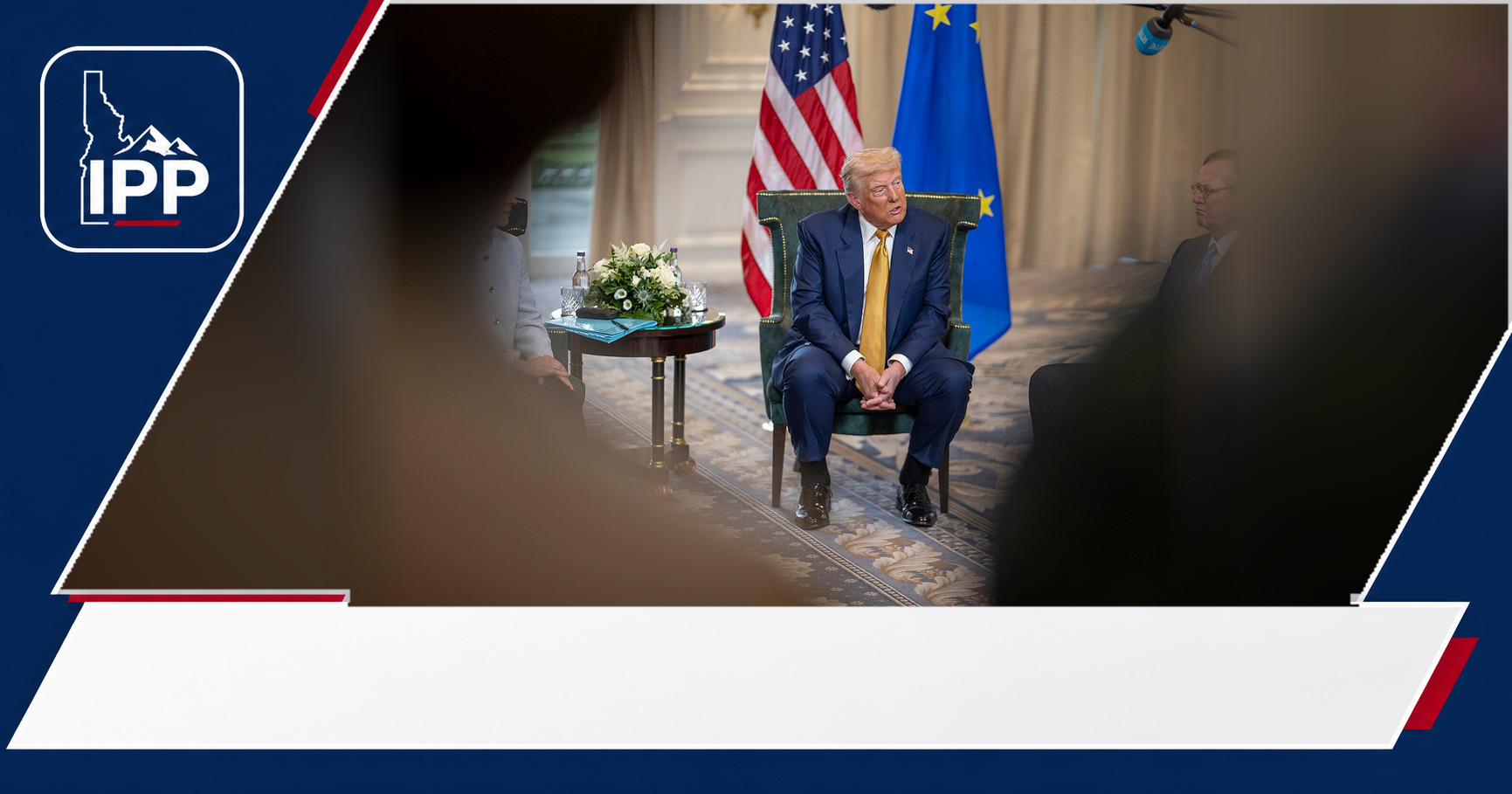
A new fight over voter rolls is colliding with old fears about election integrity. The central question is not whether noncitizen voting is legal — it is not — but whether the latest claims prove a widespread problem.
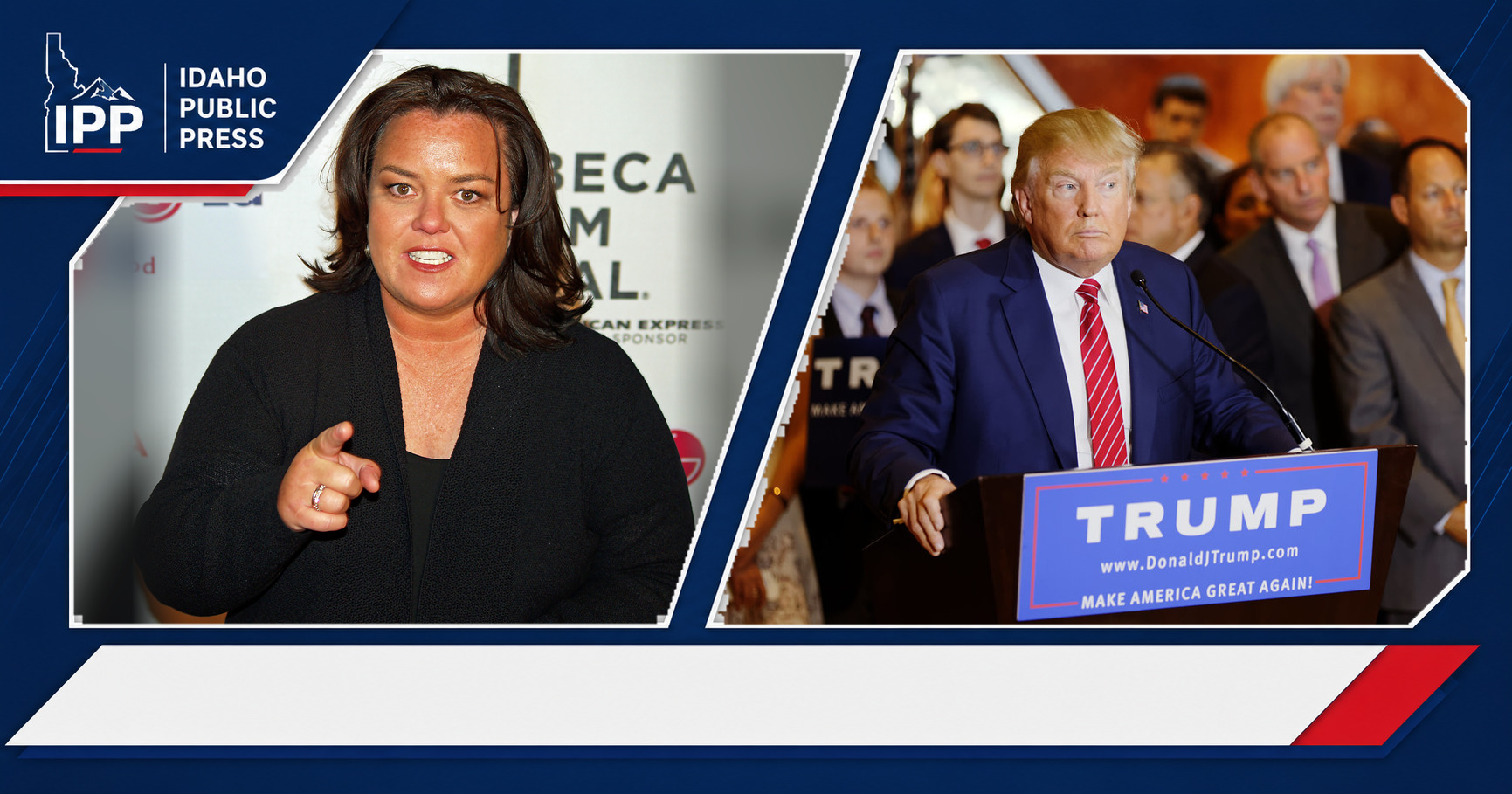
Trump warned that the issue threatens the heart of democracy as allegations of noncitizen voting and reports of a pattern of noncitizen voters ignite a new election-integrity fight. The Bombshell voting scandal framing centers on claims that non-U.S. citizens are improperly on voter rolls or casting ballots, but recent reporting from Reuters and NPR shows the evidence remains disputed, with election officials challenging federal numbers and methodology.
The fight matters now because the Department of Homeland Security said on July 17 that it had found more than 250,000 non-U.S. citizens on voter rolls in California, Nevada, New Jersey and Pennsylvania, according to NPR. Those states dispute the tally, and Election Day is less than 100 days away.
A scandal built on disputed data
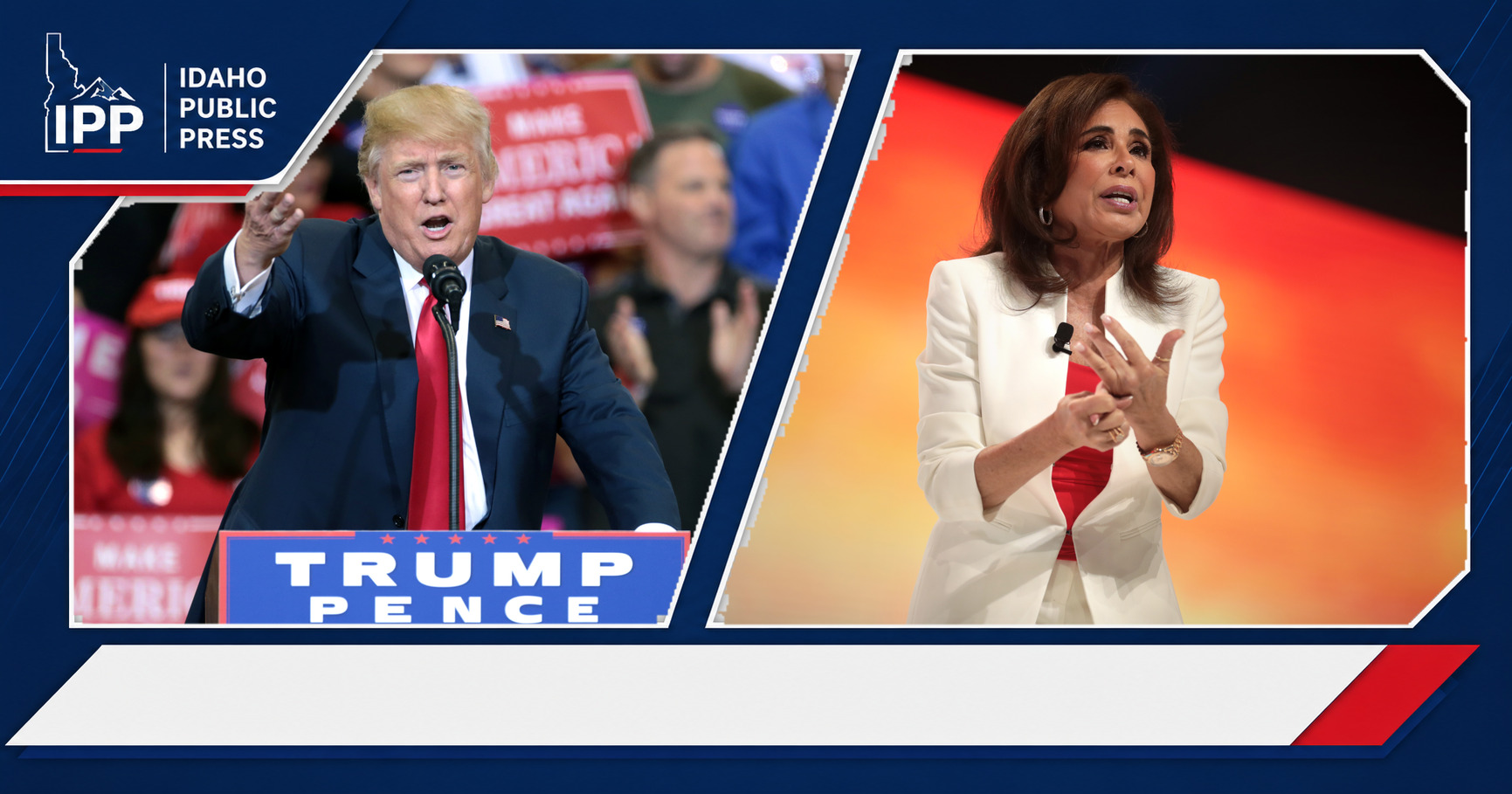
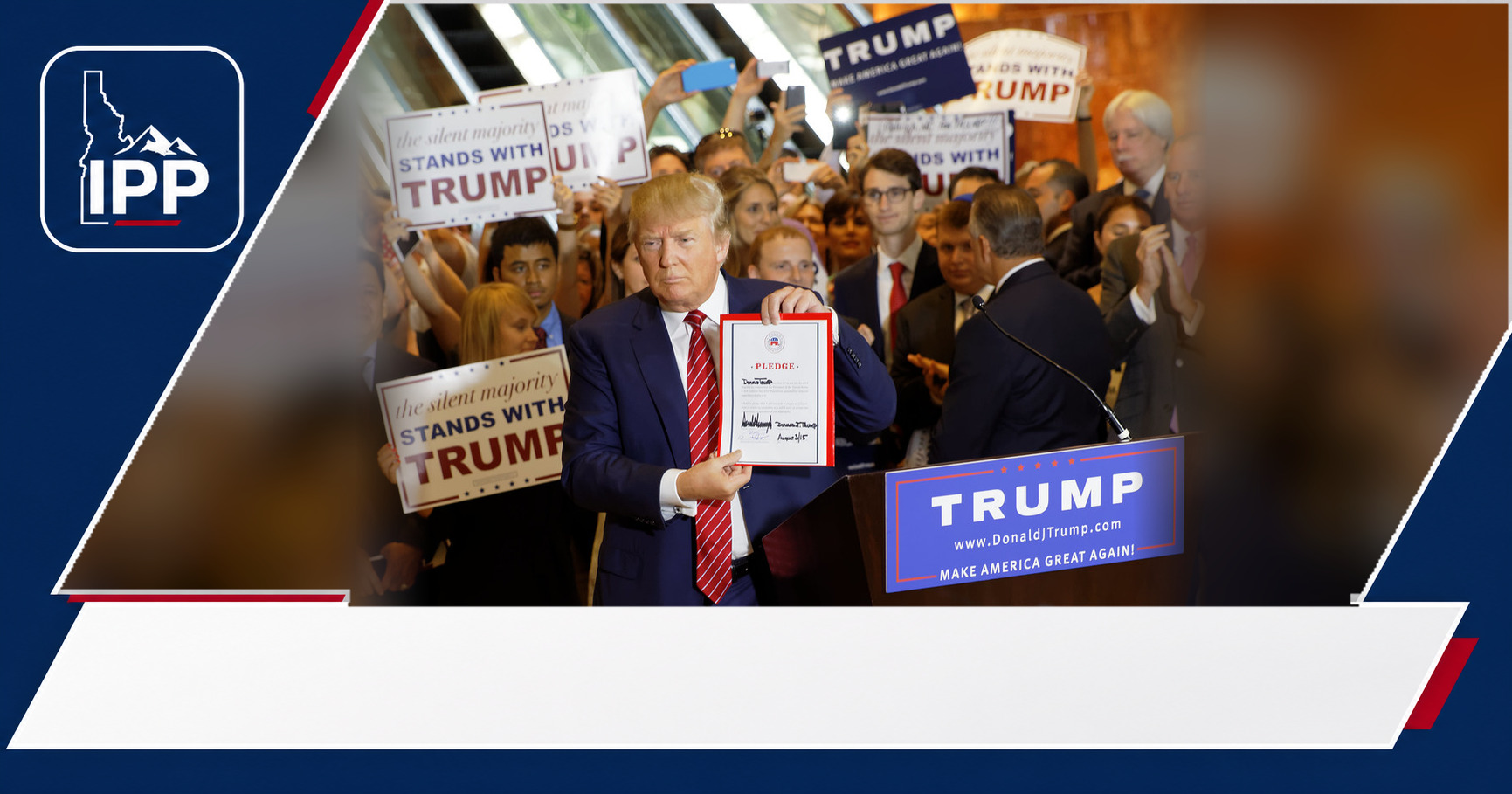
The political charge is simple and powerful: if noncitizens are voting, the legitimacy of elections is at risk. Trump has leaned into that argument, portraying the issue as a direct threat to democratic self-government and alleging that illegal voting by noncitizens is widespread.
The evidentiary picture is much less settled. NPR reported that officials in the four named states are still trying to understand how Homeland Security reached its figure, and at least three top election officials wrote back to the agency asking for details about the analysis.
Reuters, in a July 19 investigation, reported that Trump claims voting by noncitizens is rampant in America, but that the numbers tell a different story. The outlet’s framing directly challenges the idea that the available data supports a sweeping national crisis.
That distinction matters. A voter roll can contain outdated, duplicated or incomplete records without proving that an ineligible person cast a ballot. Election administrators generally treat registration-list maintenance and actual illegal voting as related but separate questions.
States want the names
Election officials are not saying voter lists should be ignored. They are saying they cannot verify or act on a broad federal allegation without the underlying records.
Nevada Secretary of State Cisco Aguilar, a Democrat, told NPR that DHS had not provided him with the names of the Nevada registered voters the agency says may be noncitizens. His position was blunt: until the state sees the data, it cannot evaluate the claim.
The dispute is also about how the federal government obtained or matched sensitive information. NPR reported that DHS letters described matches involving names, dates of birth, addresses and Social Security numbers, even though public voter rolls do not include Social Security numbers.
That has produced a second controversy. The Department of Justice had previously sued California, Nevada, New Jersey, Pennsylvania and more than two dozen other states seeking voter-roll versions with partial Social Security and driver’s license data. NPR reported that the Nevada case is still pending, while federal judges have dismissed suits in California, New Jersey, Pennsylvania and 15 other states.
Why matching can go wrong
Large database matches can sound definitive. In practice, they can create false positives, especially when the matching does not rely on a unique identifier or when records are old, incomplete or drawn from different systems.
Election experts cited by NPR warned that efforts to identify noncitizens on voter rolls often begin with large preliminary numbers that shrink after review. One reason is straightforward: a person who was once listed in a government file as a noncitizen may later have become a U.S. citizen.
That is why methodology is central, not procedural nitpicking. If a federal agency claims a voter is ineligible because of a data match, state officials need to know what databases were used, how current the records are, what confidence threshold was applied and whether citizenship status was updated.
David Becker, executive director of the Center for Election Innovation & Research, told NPR that numbers without clear and transparent methodology should be treated skeptically. His broader warning reflects a common concern among election administrators: sloppy matching can wrongly flag eligible voters.
The law is not in dispute
Noncitizens are barred from voting in federal elections. That legal baseline is not where the argument is happening.
The argument is about scale and proof. Trump’s supporters say even a small number of unlawful ballots can matter, particularly in close races, and they argue that government agencies should aggressively check voter rolls before ballots are cast.
Critics counter that exaggerated claims can damage confidence in elections and create pressure to challenge eligible voters. They also point to repeated reviews in recent years that NPR says have found actual voting by noncitizens to be extremely rare.
Both concerns can exist at once. Election systems need eligibility checks, and the public needs accurate claims about what those checks reveal. Inflated numbers can be politically useful, but they can also become operationally dangerous if they trigger rushed purges or law-enforcement interventions without verification.
The next pressure point
NPR reported that Homeland Security officials asked the four states to respond to the allegations by Thursday and that officials have promised more reviews in the weeks ahead. That raises the stakes for state election offices already preparing for voting, counting and certification.
The most sensitive question is what happens if similar allegations emerge close to Election Day or immediately afterward. NPR quoted one state election official, speaking anonymously, who feared that unverified analyses could be used as a pretext for subpoenas or law-enforcement action during vote counting in close races.
That fear is not proof that such interference will happen. It does show why timing and transparency are now part of the story. A claim released weeks before an election gives states some chance to investigate. A claim released during counting could be far more disruptive.
The cleanest way to resolve the dispute is also the simplest: provide the underlying data, explain the matching method and allow states to verify each case under existing election law. Until then, the fight over noncitizen voting remains less a settled scandal than a test of whether extraordinary election claims can be backed by extraordinary evidence.


Leave a Reply