
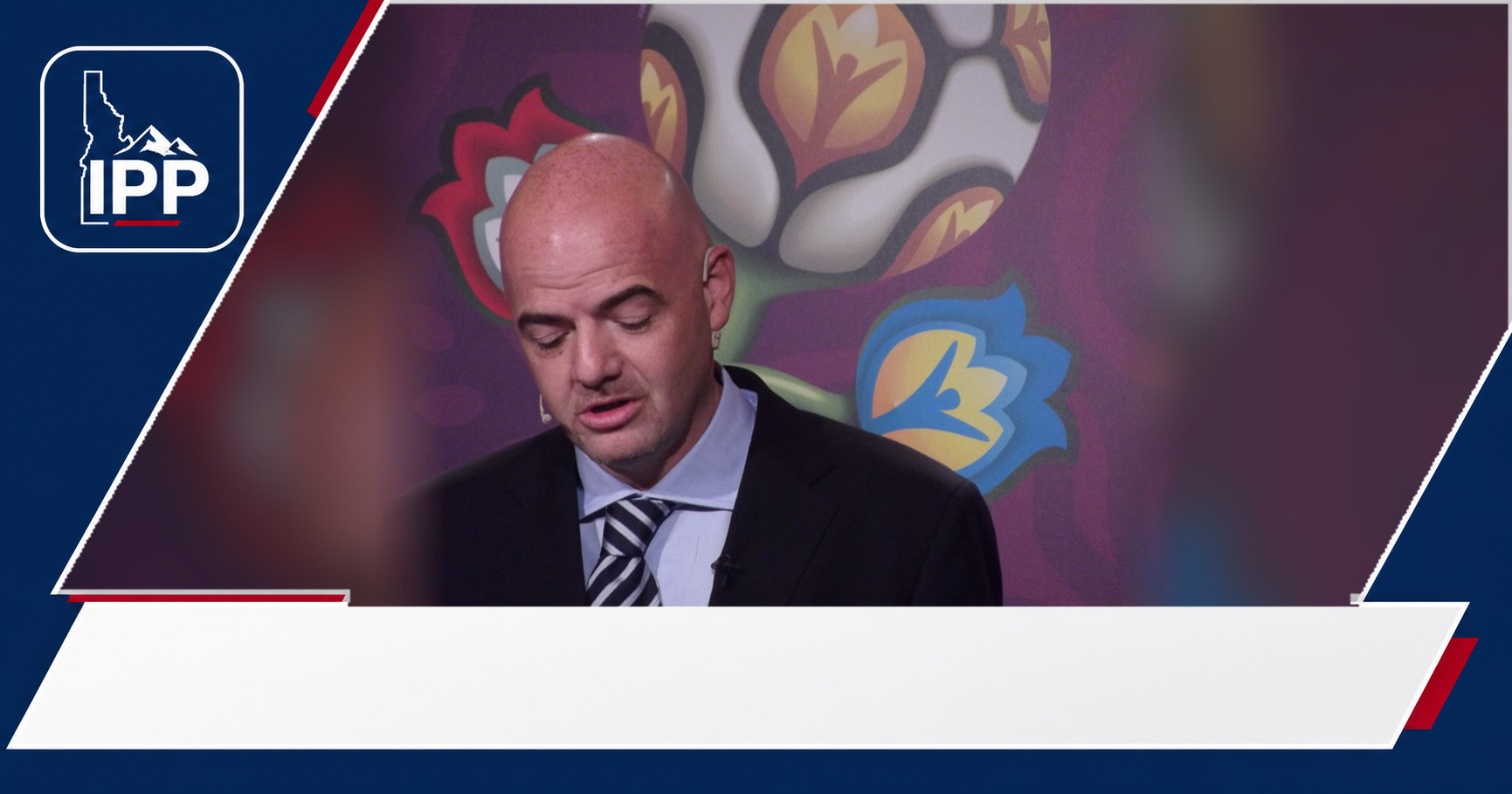
The collapse of FIFA’s private-investment proposal has opened a wider fight over transparency, control and Infantino’s authority at the top of world football.
UEFA has lost confidence in Gianni Infantino, saying FIFA’s leadership failed the transparency test after the World Cup sell-off plan was scrapped. The fight centers on a proposal to sell stakes in FIFA competitions, including World Cup events, to private investors—an idea UEFA and other confederations opposed as a threat to football’s control of its biggest assets.
With the Cup sell-off scrapped, the dispute has shifted from the deal itself to Infantino’s authority. UEFA has lost patience publicly, and the timing matters because the FIFA president is seeking re-election at the FIFA Congress in March.
A deal too far for UEFA
According to BBC Sport, Infantino said FIFA would no longer proceed with the controversial proposal to bring private investors into a new commercial structure tied to the governing body’s top competitions. UEFA welcomed the withdrawal, but it did not treat the reversal as enough.
In a sharp statement, European football’s governing body called the scrapping of the plan “a victory for the whole game.” Then it went further, saying the “current FIFA leadership” had lost UEFA’s confidence and accusing Infantino of failing to live up to promises he made when he first campaigned for the FIFA presidency in 2016.
The language matters. UEFA was not merely objecting to a financing mechanism. It was questioning whether FIFA’s president and inner circle can be trusted to make decisions over football’s biggest commercial property in a transparent way.
What FIFA wanted to sell
The disputed plan involved creating a commercial subsidiary to run FIFA’s main events, including its World Cups. Outside investors would have been invited to buy minority, non-controlling stakes in that new vehicle, described in the BBC’s account as FIFA Forward Enterprise.
On paper, a structure like that can be presented as modern sports business: packaging media, sponsorship and tournament rights in a way that attracts outside capital while leaving formal control with the governing body. FIFA’s argument for using more money across the global game has obvious appeal, especially to smaller national associations that depend heavily on development funding.
UEFA’s counterargument was blunter: the World Cup cannot be treated like an investment product. Its statement said football did not need to “sell off the family silver” to fund development and called for better use of money already held within FIFA’s system.
That is the crux of the dispute. FIFA’s biggest competitions are not just revenue engines. They are political assets, cultural assets and bargaining chips in the balance of power between Zurich, the confederations and national associations.
Why the backlash spread
UEFA was not alone. BBC Sport reported that UEFA had voted to boycott World Cups if the plan went ahead. Concacaf, which governs football in North and Central America and the Caribbean, also rejected the proposal, while the Asian Football Confederation said it stood in solidarity with UEFA and Concacaf.
The rapid collapse suggests the idea did not fail because of one rival bloc. It failed because enough of football’s power structure saw the proposal as a direct challenge to the way the game’s money and authority are supposed to be managed.
The internal damage also appeared significant. FIFA chief operating officer Kevin Lamour said the organization’s own administration had been “deceived” about the project, according to the BBC. Carlos Cordeiro, described as Infantino’s senior adviser on global strategy and governance, resigned and called the proposal “a bad deal for football” that would “mortgage football’s future.”
Those details make the episode harder for FIFA to frame as a misunderstanding. If senior figures around the project are distancing themselves from it, UEFA’s demand for accountability gains force.
Infantino’s leadership problem now
Infantino has led FIFA since February 2016, arriving after the corruption scandals that had damaged the organization’s standing under the previous era. His pitch then leaned heavily on transparency, reform and the idea that FIFA’s money belonged to its member associations, not to the president.
UEFA quoted that history back at him. Its statement said Infantino had promised transparency and had said FIFA funds should serve the development of football. UEFA now says he failed on both counts, calling the investment proposal “shabby,” “opaque” and cooked up on fast-track timelines.
That criticism lands at an awkward moment. BBC Sport reported that the fallout comes as Infantino seeks re-election for a fourth term at the FIFA Congress in March. FIFA presidents are rarely toppled by one controversy alone, but a public loss of confidence from UEFA is not a routine complaint.
European football brings money, political influence, elite clubs and global broadcast weight. FIFA is built on a one-member, one-vote electoral structure, so UEFA cannot simply dictate the outcome. Still, when UEFA openly says trust is broken, other associations have to calculate whether staying close to Infantino is still the safest position.
The bigger governance fight
The debate now moves beyond one scrapped commercial plan. UEFA says it wants those responsible for the proposal identified and held to account. It also says it will work with its associations and other confederations to prevent a similar episode from happening again.
One practical question is whether FIFA’s existing development funding system, including FIFA Forward, can be changed without selling outside stakes in tournament assets. UEFA has argued that money sitting within FIFA should be used more aggressively to support grassroots and the wider game.
There is a legitimate tension here. World football does need money beyond the elite level, and many smaller associations want reliable funding for pitches, coaching, women’s football, youth programs and administration. The question is who controls the trade-off: elected football bodies, FIFA executives, external investors, or some mix of all three.
Private capital in sport is not automatically harmful. It can bring investment, professionalism and commercial growth. But the World Cup is different because it is the central public asset of global football. Even a minority stake in a commercial subsidiary can raise fears about long-term influence, future revenue commitments and who benefits if the tournament grows even more lucrative.
What remains unanswered
FIFA’s next move is crucial. According to BBC Sport’s report, FIFA had not yet responded to UEFA’s statement at the time of publication. A detailed response could try to separate Infantino from the mechanics of the proposal, defend the intent behind the plan, or promise a review of how it reached the table.
UEFA’s statement also leaves hard questions for its own side. If the plan was as alarming as it says, why did opposition only harden once the proposal became public? And how much reform does UEFA want inside FIFA beyond stopping this specific deal?
For now, the outcome is clear: the World Cup sell-off is dead, but the trust crisis is alive. UEFA has turned a failed investment proposal into a referendum on Infantino’s leadership, and that may be harder for FIFA to contain than the deal itself.



Leave a Reply