

The GOP is not abandoning Trump. But USA TODAY’s podcast points to a more limited pressure point: Republican lawmakers using Senate tools to slow or shape parts of his agenda.
The most telling Republican challenge to President Donald Trump may not look like a public rebellion. On the Tuesday, August 4, 2026, episode of USA TODAY’s The Excerpt, host Dana Taylor and Congressional Correspondent Zach Schermele described a party that still largely backs Trump politically, even as some GOP lawmakers part ways with him on major votes, foreign policy decisions and economic priorities.
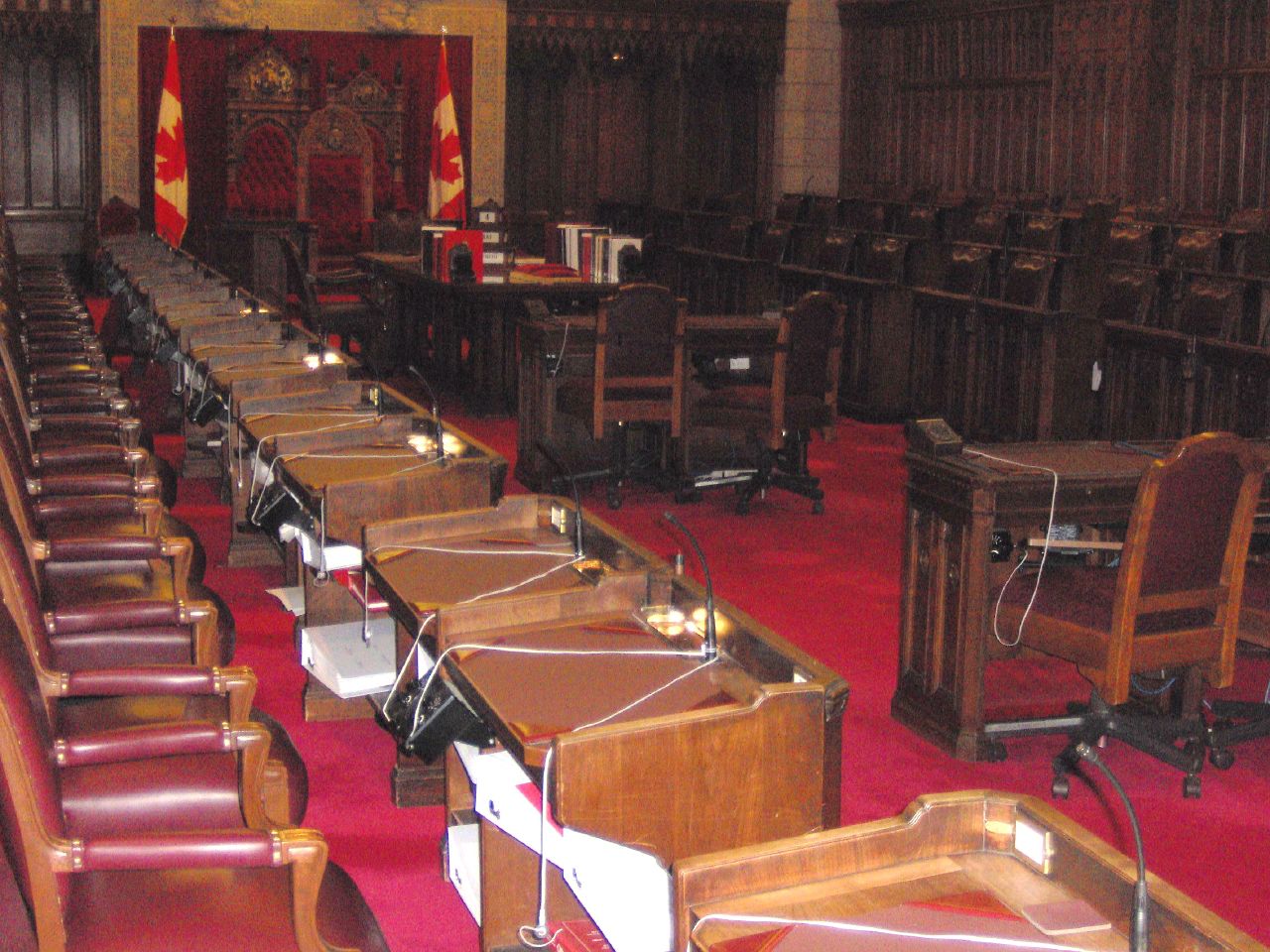
That makes the Senate the useful place to watch. The question is not simply whether a “post-Trump GOP” is forming. It is whether votes, confirmations, written assurances and chamber rules are putting limits around some of Trump’s priorities.
The Senate test is narrower than the slogan
Taylor framed the issue carefully: Republican lawmakers have broken with Trump on specific issues, but most still support him politically. That distinction matters.
A policy disagreement does not automatically equal a political split. A senator can back Trump broadly and still object to one nominee, one bill or one proposed change to Senate procedure.
That is why the evidence described on The Excerpt points less to an outright break than to a governing stress test. Trump remains the party’s central figure, but Congress still has tools that can complicate a president’s agenda.
Thune’s vote count changes the story
One pressure point is the Save America Act. In Schermele’s account, Trump has pushed the measure hard, and House Speaker Mike Johnson has treated it as a top priority.
Senate Majority Leader John Thune, however, has repeatedly said the votes are not there. Schermele described the measure as a broad voting restrictions bill that would require photo ID to vote, require documentary proof of citizenship to vote and limit mail-in voting.
The numbers Schermele cited show why Senate procedure matters. Thune said about 20 Republican senators met with members of the White House legislative team to discuss several Trump priorities.
According to that discussion, 15 Republican senators told White House officials behind closed doors that they did not support eliminating the filibuster, passing the Save America Act or eliminating blue slips, the Senate practice that gives home-state senators influence over judicial confirmations.
Blanche’s nomination became a demand for paperwork
The stalled nomination of Todd Blanche offered another example. USA TODAY’s transcript described Blanche as acting attorney general at the Justice Department, and Schermele discussed how his nomination became a test of Senate leverage.
According to Schermele, Sens. John Cornyn of Texas and Tom Tillis of North Carolina sought written assurances tied to two issues that had unsettled Senate Republicans: a so-called anti-weaponization fund connected to an IRS settlement with the Trumps, and a tax audit immunity deal.
Schermele said the concern was that the fund could eventually pay people involved in the January 6 riots. Blanche said during his confirmation hearing that the fund was functionally dead, had made no payouts and would not move forward.
Cornyn and Tillis still wanted the assurance in writing. The significance was not that they were rejecting every Trump priority. It was that they used the confirmation process to demand a concrete commitment before the Senate left for a recess lasting more than a month.
Issue breaks are not the same as a party break
The USA TODAY episode also placed the Senate fights in a wider category of Republican disagreement over major votes, foreign policy decisions and economic priorities.
That broader list should be read with caution. The available evidence supports the idea of friction inside a Trump-led GOP, not the conclusion that Republicans have already moved beyond Trump.
Normal governing can produce disagreements over timing, procedure, jurisdiction and vote counts. Senators also operate differently from House members because of six-year terms, statewide electorates and the Senate’s institutional rules.
For now, the more precise description is a Trump-aligned party with boundaries in some places, not a party that has broken from him.
What would make the shift more than friction
The next test is whether Republican resistance changes outcomes. If GOP senators preserve the filibuster, block or stall legislation, demand written concessions or use confirmations to extract commitments, Trump’s influence would still be powerful but not total.
If they object privately and then fall in line publicly, the “post-Trump GOP” question will look premature.
The USA TODAY discussion does not show that Republican voters, donors or leaders are ready to reward independence from Trump. It does show that some lawmakers are willing to test the limits of loyalty when Senate power is directly involved.
That is the narrower but more useful takeaway: the GOP is not past Trump, but parts of Trump’s agenda are running into Republican-controlled procedures that can still force negotiation.









Leave a Reply