
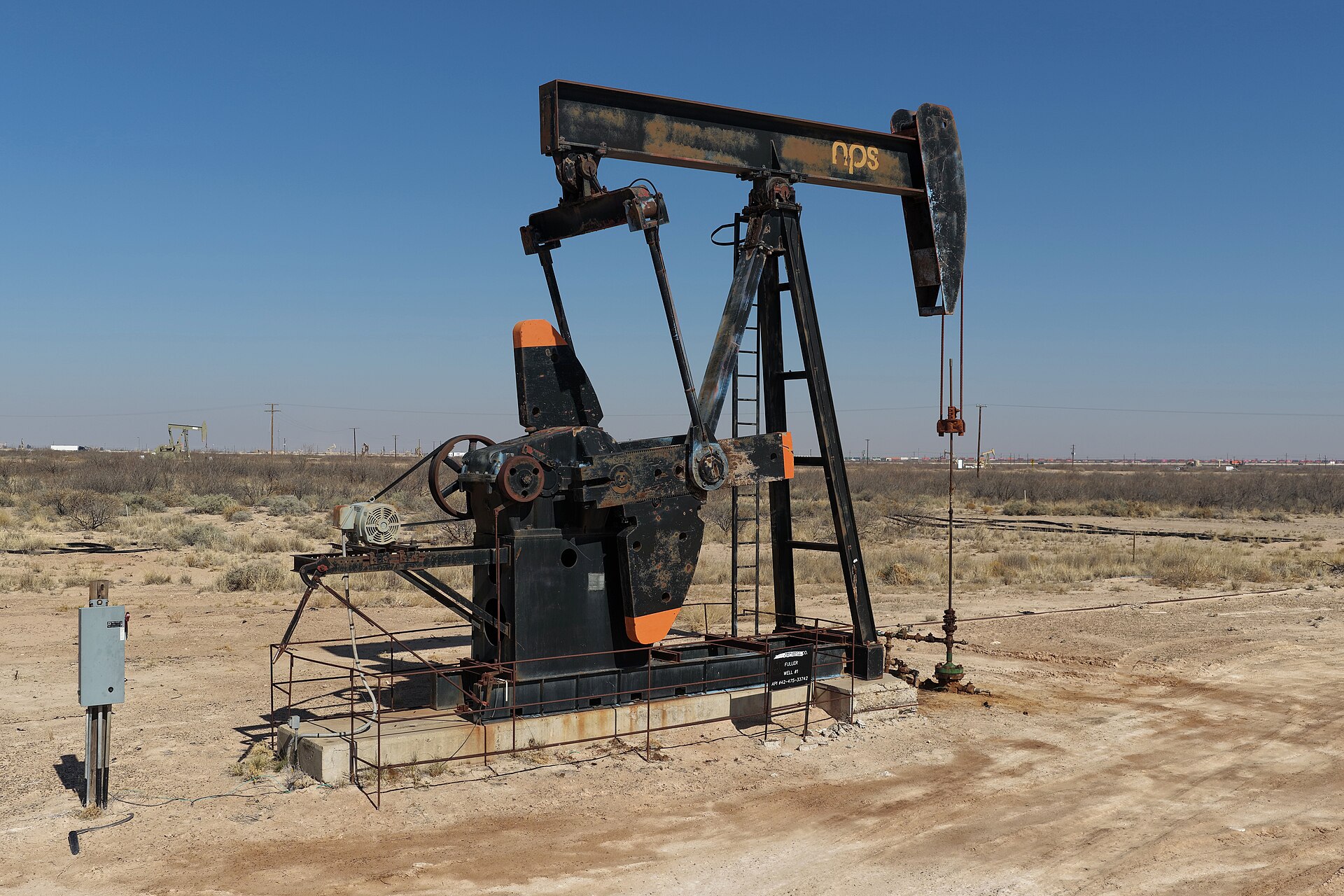
A new push for data-center sites is reaching the Permian Basin as developers look beyond communities where projects have faced resistance. The shift could reshape how oil-country land is valued—and put power, water and infrastructure questions at the center of the next development wave.
Data-center backlash is leading to a new land rush in the Texas oil patch, where landowners and data-center developers are pursuing acreage for potential projects. The rush is occurring in the Permian Basin as opposition to data-center development in other places makes remote Texas sites more attractive.
The immediate appeal is straightforward: the oil patch has large tracts of land, an established energy economy and fewer nearby neighbors than dense suburbs. But moving proposed campuses west does not make the core disputes disappear. It relocates them—to questions over grid capacity, water, tax treatment and who benefits when industrial-scale computing arrives.
Why the search is shifting west
Data centers have become a visible flashpoint in many growing communities. Residents and local officials can object to their scale, power needs, water use, noise, transmission infrastructure or the prospect of receiving limited direct employment after construction ends.
The Wall Street Journal reported that major landowners in the Permian Basin are seeking to capitalize on that kind of not-in-my-backyard resistance. The underlying calculation is that developers facing difficult siting fights near population centers may pay closer attention to wide-open property in West Texas.
That does not mean every developer is abandoning urban or suburban markets. Data centers still need fiber connections, dependable electricity, construction capacity and commercial arrangements that work over decades. Yet opposition can add time, political uncertainty and expense—three factors that make alternatives worth considering.
For oil-patch landowners, the opportunity is to sell, lease or otherwise position property for a use that can carry a very different value than ranching, farming or traditional energy development.
The Permian has a land advantage
The Texas oil patch is accustomed to large industrial projects. Oil and gas production, pipelines, roads, power facilities and service operations have long shaped the region’s landscape and local economy.
That history does not automatically make a data-center campus easy to build. A modern facility requires far more than empty acreage. Developers must secure electricity, connect to communications networks, arrange water or cooling systems where needed, build access infrastructure and navigate local and state requirements.
Still, a large contiguous parcel can be a meaningful starting point. In crowded metro areas, assembling enough land can be expensive and politically fraught. In parts of West Texas, the physical footprint may be easier to accommodate, even if the utility challenge is substantial.
The Texas Comptroller of Public Accounts maintains a public list of registered qualifying data centers and qualifying large data-center projects. Its list includes projects in a range of Texas markets, including entries tied to Borden County and to Ward County, both associated with West Texas development activity.
Land is only the first hurdle
A land deal is not the same thing as a functioning data center. The most consequential question for a proposed project is often whether it can obtain the electricity it needs, when it needs it.
Texas operates a large, competitive power market, but rapid growth in electricity demand has intensified attention on generation, transmission and interconnection. Data centers are part of that demand story alongside population growth, industrial expansion and oil-and-gas activity.
Developers may see proximity to energy resources as an advantage in the Permian. Critics may counter that a region already managing heavy industrial demand should not assume new power-intensive facilities come without trade-offs.
Those competing views matter because the phrase data-center site can conceal a much larger build-out: substations, lines, backup systems, roads, workforce housing, water arrangements and construction activity. Each element can affect the project’s timetable and its local reception.
Backlash can change the bargaining
When developers have many credible site options, local governments and landowners compete to make a project feasible. When public resistance narrows the list of politically workable locations, owners of large, well-positioned parcels can gain bargaining power.
That is the significance of a Texas oil-patch land rush. The prize is not merely raw acreage. It is acreage that could plausibly be paired with power, fiber and a development path that avoids the most intense neighborhood conflicts.
There is also a risk in treating every remote parcel as a future digital campus. Some projects may never advance beyond preliminary planning because power arrangements, financing, customer commitments or permitting assumptions change. AI-driven computing demand has created intense interest, but it has not eliminated the normal risks of large infrastructure projects.
For communities, the question is whether the deal produces durable value. Construction can bring activity and spending, while the longer-term operational workforce may be much smaller than the physical scale of a campus suggests. Tax revenue, infrastructure commitments and service demands can become central negotiating points.
West Texas will face its own debate
Rural settings may offer distance from dense residential neighborhoods, but they are not blank spaces. Landowners, nearby towns, water users, energy companies and local taxpayers can have sharply different interests in how a large project changes the area.
Supporters can argue that data centers diversify an economy historically tied to commodity cycles and create a new customer base for energy and infrastructure. They may also view private investment in roads or electrical facilities as a benefit.
Skeptics can reasonably ask whether a project’s electricity and water needs will strain resources, whether promised economic benefits are proportionate to incentives, and whether local residents will have a meaningful voice before a site is locked in.
The answers will vary project by project. A proposal with a credible power plan and clear community commitments is different from one that relies on assumptions about future infrastructure.
What to watch after the land rush
The next signal will be whether land interest becomes announced projects with identified operators, power plans and timelines. The Comptroller’s registry shows that Texas already has a broad pipeline of qualifying data-center activity, but registrations alone do not settle how quickly individual projects will be built or how large they will become.
Watch for details that turn a land story into an infrastructure story: interconnection requests, transmission proposals, water plans, local tax agreements and public meetings. Those are the places where the economic promise and the local cost become easier to measure.
For now, the Texas oil patch appears to be gaining attention because developers need places where enormous facilities can be contemplated with less immediate resistance. The larger test is whether West Texas can convert that advantage into projects that are practical for the grid and acceptable to the communities around them.


![Marine Corps Major in dress white uniform, W[orld] W[ar] II (LOC)](https://idahopublicpress.com/wp-content/uploads/2026/08/trendwire-rqctqy63-featured-tn5nyr2x.jpg)







Leave a Reply