
The core idea is simple: workers should share more directly in the value they help create. But turning that principle into policy would require answers on valuation, risk, enforcement and who ultimately qualifies.
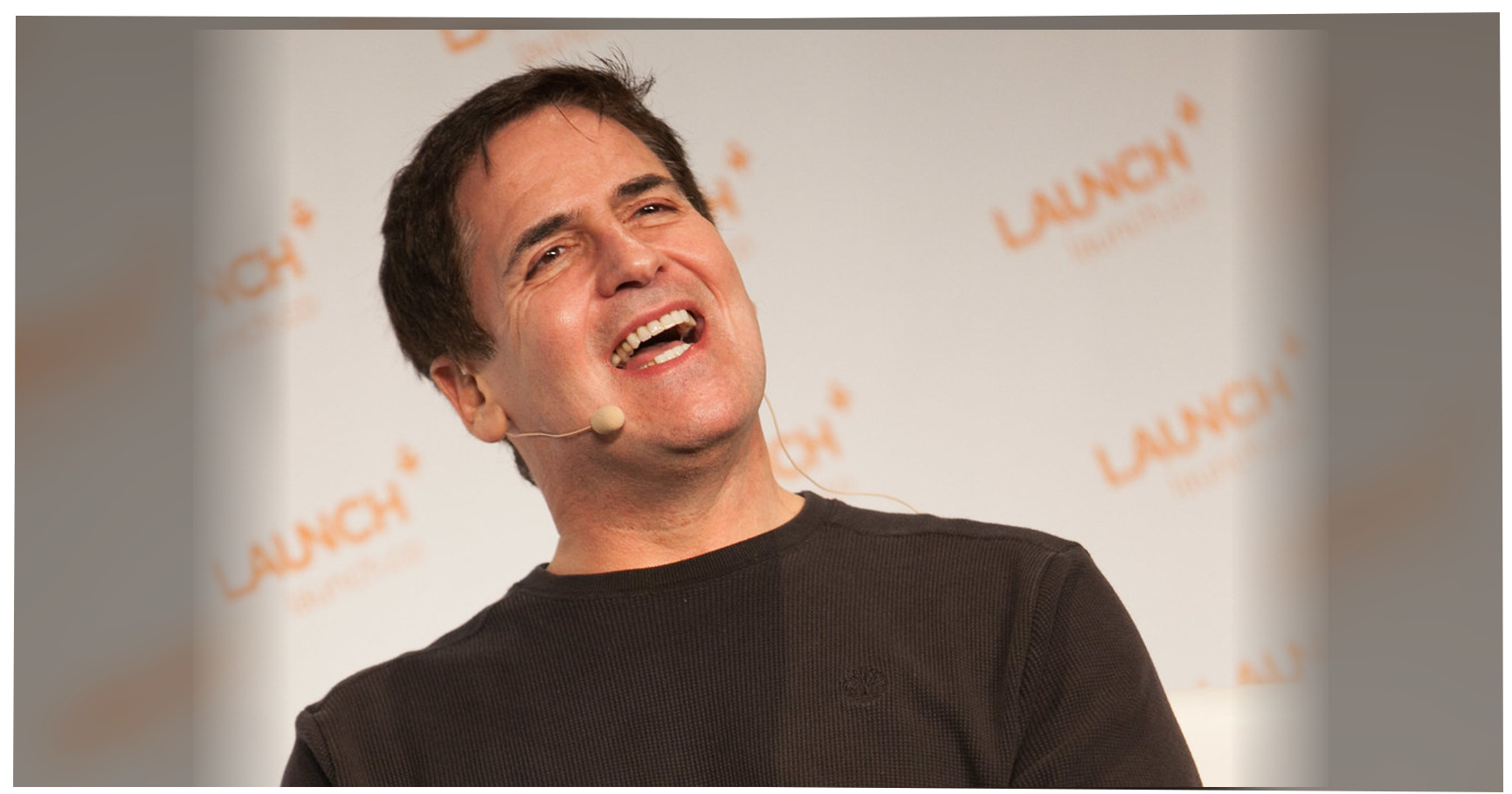
Mark Cuban wants to address wealth inequality by putting employers to a choice: pay higher taxes or give every employee company stock. Cuban’s proposal to make employers choose between higher taxes and broad employee ownership turns a long-running debate about pay and wealth into a direct question of who gets to own the businesses workers help build.
The idea matters because wages alone do not necessarily give employees a share in rising company values. Stock can create wealth over time, but only if the ownership is meaningful, fairly structured and not used as a substitute for reliable pay or diversified retirement savings.
Ownership is the central argument
Cuban’s reported proposal starts from a straightforward observation: a company’s growth can enrich founders, executives and outside investors far more than the people working inside the business.
Employees may receive wages, bonuses and benefits, but those forms of compensation are different from holding an asset that can gain value. Shares, in theory, allow workers to participate when a company succeeds rather than merely being paid for their labor along the way.
That is why the proposal frames stock ownership as an alternative to a tax increase. Companies that distribute ownership broadly could be encouraged to share gains internally; companies that do not could face a higher tax bill.
It is a notable shift from the usual argument over whether businesses should raise wages. Cuban’s idea focuses on wealth-building assets, not only income, and on whether workers can accumulate a stake that lasts beyond each paycheck.
Stock is not the same as pay
The appeal of employee stock is easy to understand. A worker who owns part of a successful company may build savings that would have been difficult to accumulate through wages alone.
Yet stock cannot simply be treated as cash. Its value can rise, fall or disappear, particularly at private companies where employees may have limited opportunities to sell shares. A grant that sounds generous on paper may be difficult to use for rent, emergencies or retirement.
There is also a basic fairness question: would every worker receive the same amount of stock, a percentage tied to pay, or an award based on tenure? The supplied reporting describes Cuban’s broad choice for employers, but does not provide a detailed legislative formula for allocation, valuation, vesting or eligibility.
Those details would determine whether a policy spreads ownership widely or creates a new benefit that is technically universal but economically modest for lower-paid workers.
ESOPs show both possibilities
The United States already has a model for employee ownership in Employee Stock Ownership Plans, or ESOPs. An ESOP is a retirement-plan structure that owns some or all of the sponsoring employer’s stock on behalf of participating workers.
The Georgetown Center for Retirement Initiatives says properly designed ESOPs can help rank-and-file employees build long-term wealth, improve business resilience and strengthen worker engagement. It points to research from the National Center for Employee Ownership finding that participants in S-corporation ESOPs had retirement balances more than twice those at comparable conventional firms, after controlling for income and tenure.
That evidence helps explain why employee ownership can draw support from different political camps. It uses a market-based mechanism to broaden access to capital rather than depending solely on redistribution after profits are made.
But ESOPs also show why Cuban’s proposal would need guardrails. The Georgetown analysis warns that workers can face concentrated risk when their job and retirement assets are both tied to the same company. If the business declines, an employee could lose income and see the value of their ownership fall at the same time.
Risk cannot be shifted downward
A serious employee-ownership policy would have to distinguish between adding wealth-building benefits and shifting corporate risk onto workers. Company stock should not become an excuse to freeze wages, trim benefits or reduce employer retirement contributions.
Workers also need protections when a company is sold, goes private, takes on debt or faces a downturn. In an ESOP transaction, the price paid for company shares is especially important because an inflated valuation can burden the company and reduce the value ultimately reaching employees.
Federal oversight already matters in this area. Under the Employee Retirement Income Security Act, plan fiduciaries must act in participants’ and beneficiaries’ interests. The U.S. Department of Labor has conducted ESOP enforcement work focused in part on whether plans acquire stock at fair market value.
That history complicates the appealing slogan of giving everyone stock. Broad ownership can work, but it requires independent valuations, clear disclosure, fair distribution rules and retirement savings that are not all invested in one employer.
The tax choice raises hard questions
Cuban’s proposed tax-or-stock choice is designed to create a strong incentive rather than leave ownership entirely voluntary. Still, the policy’s real effect would depend on its design.
- Which employers would be covered? A rule that treats a small family business like a multinational public company could create very different burdens.
- What counts as genuine ownership? Policymakers would need to decide whether tiny grants, restricted shares or executive-heavy plans meet the standard.
- How would private companies value stock? Publicly traded shares have transparent prices; private-company shares are more difficult to appraise and sell.
- Would stock supplement wages? The strongest version of the idea would protect base pay and benefits rather than allow ownership awards to replace them.
- Where would tax revenue go? If companies chose higher taxes, the distributional outcome would depend on how government used the money.
Business critics could argue that a new mandate would make hiring, financing and compensation more complicated, especially for firms without publicly traded shares. Supporters could counter that the current system already gives companies powerful tax and legal structures while leaving many workers without meaningful access to appreciating assets.
A challenge to the usual wealth debate
Cuban’s proposal does not settle the question of how to reduce wealth inequality. It does, however, put a sharper point on an issue often blurred in conversations about corporate success: who has a claim on the value created when a business grows?
Higher taxes can fund public priorities and potentially redistribute resources through government programs. Broad employee ownership can place an asset directly in workers’ hands. Neither approach is automatically fair, and either can fail through weak design.
The strongest case for Cuban’s idea is not that every employee should be paid in volatile stock. It is that workers should have a credible path to ownership alongside fair wages, benefits and diversified savings. The unresolved question is whether lawmakers and employers could build that path without turning workers into the people who absorb the greatest risk when corporate fortunes change.










Leave a Reply