
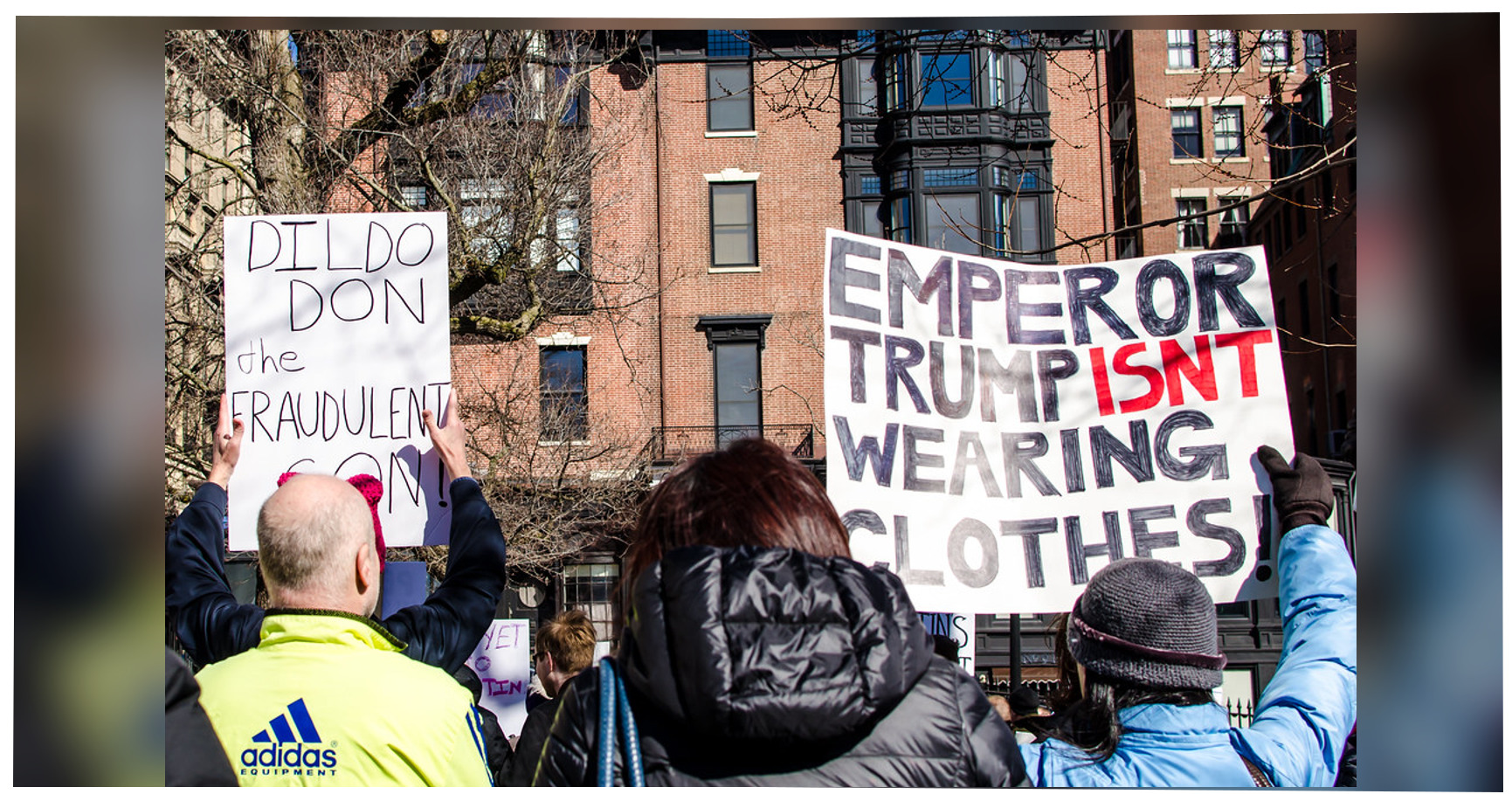
The reported plan would strip business or tourist visa status from people with pending or past asylum claims, though it would not automatically mean deportation. Its scale, legal footing and practical effect remain unsettled.
The Trump administration is preparing to revoke the business and tourism visas of up to 200,000 foreign nationals who have applied for or are seeking asylum in the United States, according to State Department documents and U.S. officials cited by The Associated Press. If carried out, the action would be the largest single mass visa revocation in U.S. history.
The planned revocations could be announced in coming weeks and would target B1 and B2 visas issued from 2016 through 2026. The key distinction: losing a visitor visa would not necessarily result in immediate deportation for people whose asylum cases are still pending.
A broad review of visitor visas
The State Department is expected to act in coordination with the Department of Homeland Security, according to the reported documents. Officials said the review focuses on people admitted as short-term business travelers or tourists who later sought asylum as a way to remain in the country.
State Department spokesman Tommy Pigott said the agencies are working to identify and revoke nonimmigrant visas held by foreigners who came to the U.S. claiming to be short-term visitors and then filed asylum claims. He did not confirm a final number, saying the process would be ongoing and that the total would remain “dynamic.”
That matters because the 200,000 figure is an estimate attached to a reported plan, not a final list of people notified of revocation. The State Department has not publicly laid out the precise screening criteria, the timeline for individual notices, or the process people will have to challenge a decision.
What B1 and B2 visas allow
B1 visas generally cover temporary business travel. B2 visas are commonly used for tourism, family visits and medical care. Neither category is intended as a permanent immigration status.
Applicants for those visas are already asked to show they intend to leave the United States after a temporary stay. Current applicants are also asked to affirm that they will not apply for asylum in the U.S., according to the AP report.
Still, the relationship between a visitor visa and an asylum claim is legally more complicated than a simple label suggests. A person may arrive with plans for a short visit and later seek protection because circumstances change at home, or because facts emerge that make a return unsafe. U.S. asylum law allows eligible people physically present in the country to apply, regardless of how they arrived.
The administration’s position is that some travelers are exploiting visitor visas as a route around immigration rules. Critics are likely to argue that a mass approach could sweep together people with very different histories and reasons for requesting protection.
Revocation is not automatic removal
A revoked visa and a removal order are not the same thing. A visa generally permits a person to seek admission at a U.S. port of entry; it does not by itself determine whether someone can remain in the country once an asylum application is underway.
Officials told the AP that most people with pending asylum matters would be recategorized and lose their status as business or tourism visitors. Their immigration cases could continue, depending on their individual circumstances and any other status or authorization they hold.
That distinction will be crucial for affected families, employers and legal representatives. Someone whose visa is canceled may face restrictions on future travel and a more precarious immigration position, but the reported policy does not say every visa holder would be immediately detained or deported.
It also remains unclear how the government would handle people whose asylum claims were denied, withdrawn or already resolved; people who later acquired another lawful status; and applicants who have work authorization tied to a pending asylum case. Those details could shape the real-world reach of the policy more than the headline number.
Why the 200,000 estimate stands out
The scale is what makes the proposal extraordinary. The State Department has revoked about 175,000 visas over the past 18 months for people accused or convicted of offenses ranging from drunken driving to serious violent crimes, as well as for some people who publicly criticized U.S. policies, the AP reported.
A potential action affecting up to 200,000 people based on their connection to asylum claims would therefore be different in both size and rationale. It would combine visa enforcement, asylum policy and data sharing between federal agencies in one broad operation.
The documents reportedly indicate that screening of current B1 and B2 holders began after the State Department received information about asylum requests from U.S. Citizenship and Immigration Services. That raises practical questions about data matching, the accuracy of records and how people will learn that their visa status has changed.
For supporters of the policy, the proposal fits the administration’s argument that visitor visas should not become a backdoor path to long-term residence. For immigrant-rights advocates, the concern will be whether the government is effectively penalizing people for using an asylum system Congress created.
Part of a wider visa crackdown
The reported move follows a series of tighter visa measures during President Donald Trump’s second term. The administration has demanded more information about some applicants’ social media histories, required costly visa bonds in certain cases and restricted visa issuance for citizens of particular countries.
Deputy Secretary of State Christopher Landau also recently criticized what he described as “bogus asylum claims” in a social-media post, citing the case of a Colombian citizen who entered on a tourist visa and later applied for asylum.
The administration has separately targeted so-called birth tourism, in which pregnant visitors travel to the U.S. to give birth. Trump’s efforts to end birthright citizenship have faced repeated court setbacks, including at the Supreme Court.
Those disputes offer a reminder that an announced immigration policy and a durable policy are not always the same thing. Visa revocation authority is broad, but a program of this size could invite challenges over due process, agency procedure and how it interacts with asylum protections.
What happens before any rollout
No final public announcement had been made in the reporting cited, and officials described the revocations as not yet final. The expected timeline was the coming weeks, unless the proposal is revised or challenged first.
Any rollout will be judged on more than the number of visas canceled. Important measures will include who is covered, whether notices explain the basis for each decision, what review options exist and whether people with active asylum claims can continue to pursue them without interruption.
The plan signals a sharper effort to separate temporary visitor status from asylum claims. But until the State Department publishes formal guidance, the most consequential questions—who will be affected, how cases will be assessed and what legal protections remain—are still unanswered.



![Marine Corps Major in dress white uniform, W[orld] W[ar] II (LOC)](https://idahopublicpress.com/wp-content/uploads/2026/08/trendwire-rqctqy63-featured-tn5nyr2x.jpg)


Leave a Reply