
Economic blame is one of the most durable tools in American politics, but it works best when voters see a clean line between the problem and the party being targeted. The latest inflation data show why that argument remains potent — and why it may be harder to control.
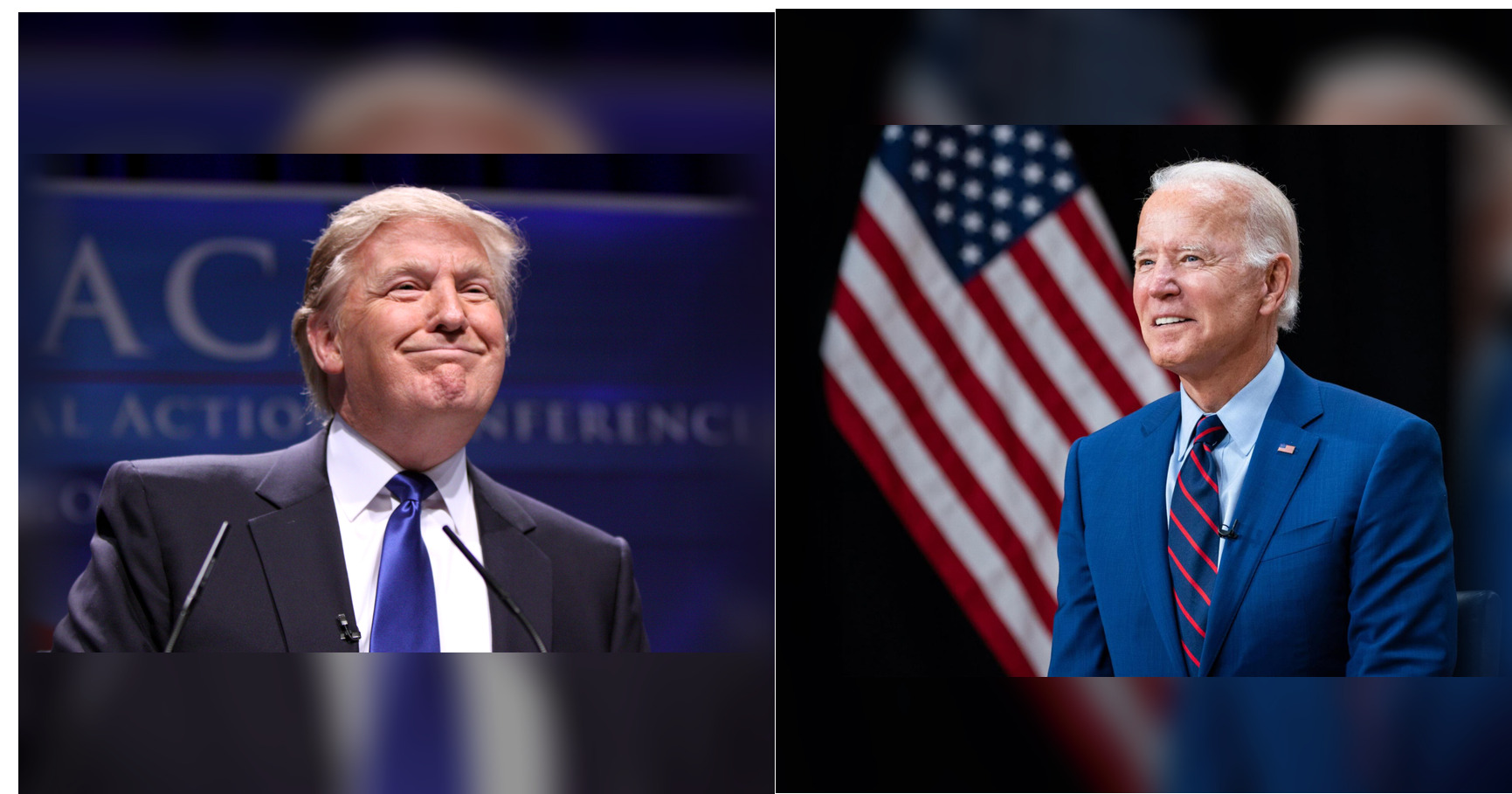
Donald Trump is undermining the GOP’s effort to blame Joe Biden for the U.S. economy, according to a CNN political analysis, creating additional problems for Republicans trying to keep economic frustration focused on the former president. The GOP keeps blaming Biden for the economy, but Trump’s own role in the argument can complicate that message.
That matters because inflation is still a lived political issue. The Bureau of Labor Statistics said consumer prices were 3.4% higher in July 2026 than a year earlier, leaving Republicans with a real cost-of-living concern to highlight but a harder question about who voters hold responsible now.
Economic blame is politically powerful
Presidents are often treated as the public face of the economy, whether or not they directly control the forces moving prices, wages, hiring or interest rates. That makes economic dissatisfaction unusually useful in campaigns: it is personal, easy to describe and reinforced every time someone buys groceries, pays rent or fills a gas tank.
For Republicans, the case against Biden is straightforward in political terms. Prices rose sharply during his presidency, and many households continue to judge their finances against what everyday items cost before the inflation surge.
That argument does not require voters to follow technical measures such as core inflation or seasonally adjusted monthly changes. It rests on a simpler proposition: life became more expensive, and Biden was president when it did.
The current numbers cut both ways
The July Consumer Price Index offers both parties material for their cases. The BLS reported that the all-items index increased 0.1% for the month after falling 0.4% in June. Over 12 months, however, overall prices were up 3.4%.
Some of the figures are especially visible to consumers. Food prices were up 3.0% over the year, shelter rose 3.2%, and food away from home increased 3.4%. Energy prices rose 14.7% over 12 months, while gasoline prices were up 24.6%.
Those figures do not establish that any one president caused each increase. Energy markets, housing shortages, global supply conditions, Federal Reserve policy and business decisions all affect prices. But politics rarely waits for a full economic model. Voters tend to assign credit and blame to the leaders they see.
Trump changes the target
The central tension identified in the CNN analysis is not that Republicans have abandoned their criticism of Biden. It is that Trump can make the Biden-focused message less clean by drawing attention back to present-day choices, disputes and consequences associated with him.
That is a messaging problem as much as a policy problem. A party seeking to make an election a referendum on a former president needs voters to spend their attention looking backward. When Trump becomes a central part of the economic conversation, the contest can shift toward competing assessments of responsibility.
The available source brief does not specify every action cited in CNN’s analysis, so it would be premature to assign particular price changes or economic outcomes to Trump. The broader point is clearer: political campaigns cannot always separate past inflation from current arguments about policy, leadership and risk.
Why Republicans face a narrow lane
Republicans can reasonably argue that the public still feels the cumulative effect of inflation. A slower monthly increase does not erase the higher price level households have already absorbed. A grocery bill that remains elevated is more politically memorable than a modest improvement in one month’s inflation reading.
Democrats, meanwhile, can point to the distinction between prices rising rapidly and prices remaining high after an earlier surge. They can also argue that inflation has multiple causes and that broad economic conditions should not be reduced to a single individual.
Neither argument automatically wins. The GOP’s challenge is to keep the issue centered on Biden without allowing Trump’s conduct or proposals to become the more immediate object of scrutiny. The Democratic challenge is to acknowledge voter frustration without sounding as if official statistics should outweigh personal experience.
Responsibility is rarely a clean split
Economic conditions usually emerge over years, not news cycles. Decisions made by one administration can take time to affect households, while events outside Washington can quickly disrupt fuel, food and supply costs.
That complicates the popular idea that a president alone owns the economy. Congress sets taxes and spending, the Federal Reserve sets monetary policy independently, and companies determine many prices and hiring decisions. Yet the president remains the most recognizable political figure attached to all of it.
Trump’s political problem, as framed by CNN, is that he cannot be absent from a debate that Republicans want to frame around Biden. If voters see Trump as shaping the economic choices ahead, they may judge him on those choices rather than solely on the economic record he is attacking.
The fight will hinge on daily costs
The next phase of the argument will likely be less about one inflation report than about whether households feel meaningful relief. Rent, groceries, restaurant prices, insurance and gasoline are the kinds of costs that turn abstract economic data into political judgments.
For now, the basic facts leave room for competing narratives. Inflation has eased substantially from its earlier peak, but prices remain above their pre-surge levels and several major household categories are still rising over the year.
That is why the GOP’s Biden argument remains viable — and why Trump’s ability to pull focus back to himself can be so consequential. The economic debate is no longer just about who gets blamed for the last round of price increases. It is also about who voters believe is accountable for the next one.








Leave a Reply