

A record employment total is real, but CNN’s analysis shows why it is a limited answer to weak economic approval ratings: population growth, participation and the pace of hiring tell a different story.
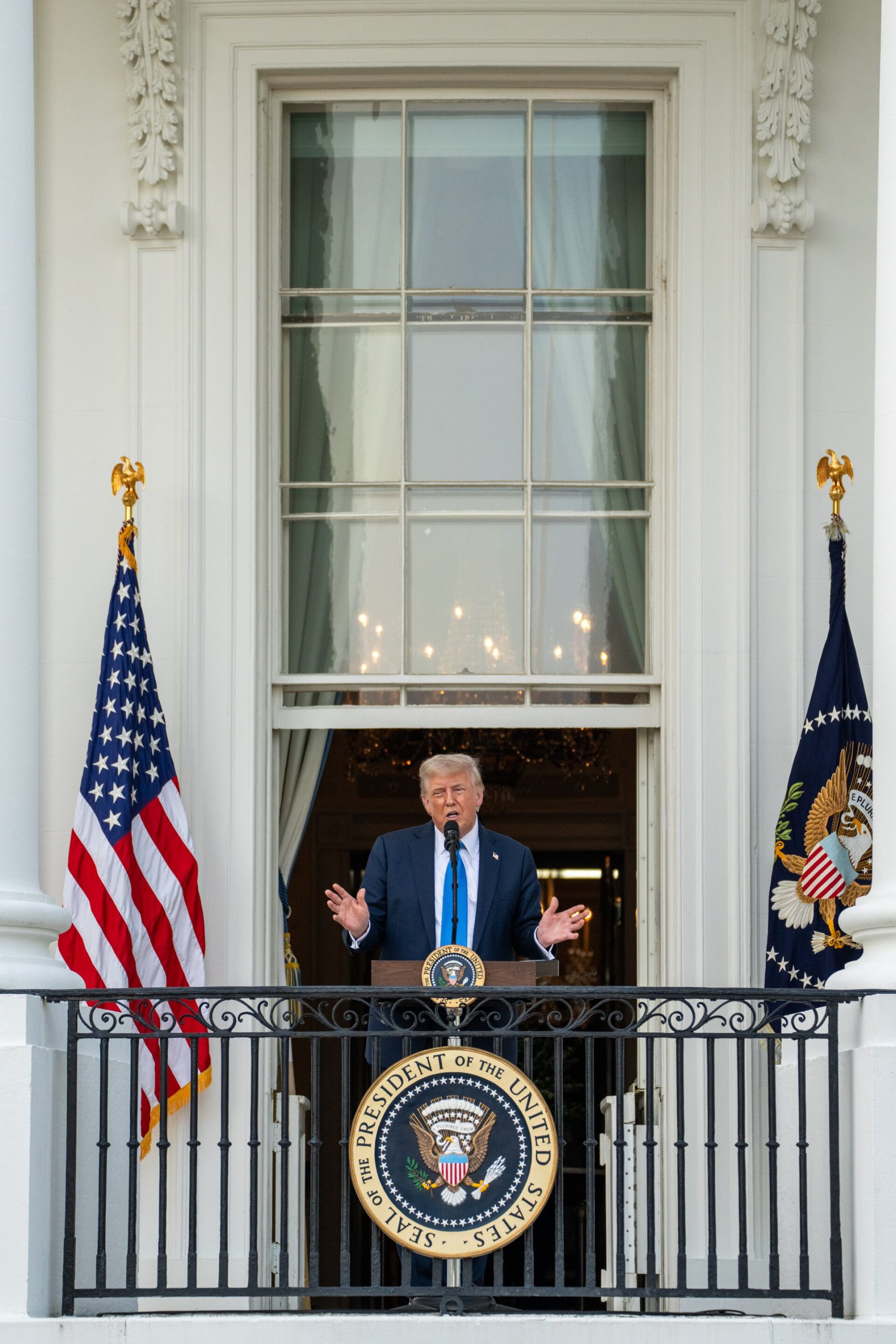
President Donald Trump has defended his economic record by saying more people are working in the United States than at any earlier point in the country’s history. At a South Carolina rally, he questioned how polls could put his economic approval at 44% while employment stood at a record level.
But a record total is not, by itself, a measure of how strong the labor market is for a country of America’s size. CNN’s analysis argues that the cost of living is more likely to explain Trump’s poor economic polling than a single jobs-related figure can.
Economic approval is about more than a jobs total
A high number of people working is preferable to a lower number. Still, an all-time employment high does not settle how households assess the economy or whether job-market gains are keeping pace with the population.
Trump’s argument turns on a raw count: the number of Americans working. That count generally rises over time as the population rises, except during major recessions such as the 2008 financial crisis and the 2020 Covid-19 crisis.
Justin Wolfers, a University of Michigan professor of public policy and economics, put the point plainly in a newsletter quoted by CNN: “There are more Americans working because there are more Americans.”
CNN’s analysis points instead to the cost of living as a likely reason voters remain dissatisfied with the economy. Prices and living costs can shape public sentiment in ways a record employment total does not capture.
The rate measures that change the picture
Employment rates offer a way to compare the labor market with the size of the population. The employment-population ratio measures the share of people age 16 and older who have jobs.
According to CNN’s report, citing federal labor-market data, that ratio fell from 60.1% in January 2025, when Trump began his second term, to 58.9% in July 2026. The July 2026 figure was below its level throughout Joe Biden’s final three years in office.
Labor-force participation moved in the same direction. The rate, which includes people age 16 and older who are employed or actively looking for work, declined from 62.6% in January 2025 to 61.4% in July 2026, CNN reported.
That decline does not automatically establish economic distress; CNN noted that part of it may be a statistical quirk. It does, however, make the raw record-employment claim an incomplete description of the labor market.
The hiring comparison is less favorable
The pace of job creation also provides important context. CNN reports, based on seasonally adjusted federal jobs data, that the United States added 2.2 million jobs from August 2023 through January 2025, Biden’s final 18 months in office.
From February 2025 through July 2026, the economy added 590,000 jobs, according to CNN’s comparison. Economic periods are not perfectly comparable, and presidents do not control every force affecting hiring. Even so, the figures do not support a picture of historically powerful job growth.
The unemployment rate edged up from 4.0% in January 2025 to 4.1% in July 2026. That remains low by long-run historical standards, but it was higher than the 3.4% rate reached in April 2023 and the 3.5% low during portions of Trump’s first term.
Payroll jobs and employed people are not identical counts
The federal data also contain different measures that are often treated as interchangeable. Payroll data showed a continuing record total of jobs, while a separate survey measuring individual Americans employed showed a slight decline during 2026.
Those figures can both be accurate because they count different things. Neither one alone answers whether the economy is performing exceptionally well relative to population size, labor-force participation or the rate of new hiring.
Since modern federal data collection began in 1948, presidents have generally been able to point to record employment at some point in their terms outside major downturns. That history is another reason an all-time total is a weak stand-alone benchmark for judging an administration.
What Trump’s claim does—and does not—show
Trump’s statement is not necessarily false. It describes a real record in the raw number of Americans working.
Its limitation is that the number omits the comparisons needed to evaluate it: population growth, the share of people working, participation in the labor force and the pace of job creation. It also does not answer why voters may judge the economy poorly when cost-of-living concerns remain central.
- Raw totals show scale. They do not automatically show whether employment is broad relative to the population.
- Rates add context. The employment-population ratio and labor-force participation rate show how widely work is spread.
- Trends matter. A record level can coexist with slower job growth and a higher unemployment rate.
- Voter sentiment has other drivers. CNN’s analysis identifies cost of living as a likely factor in Trump’s weak economic polling.
The record-employment line remains an easy rally argument. The fuller set of figures is more complicated—and gives voters more than one way to judge the economy.










Leave a Reply