

The Postal Service rule is narrower than President Donald Trump’s proposed mail-voting restrictions, but neither may change voting procedures unless court orders are lifted. The looming deadline for military and overseas ballots adds pressure to an already unsettled midterm election process.
The United States Postal Service issued new rules for mail-in ballots that are less restrictive than President Donald Trump’s demands on voting by mail. But the USPS requirements may take effect only if the Supreme Court allows Trump’s order to proceed, leaving states with limited time to plan before the 2026 midterm election.
The dispute puts a familiar election question in a new form: how much power can the federal government exercise over voting procedures that are generally run by states? For voters, the immediate concern is whether any late legal decision will force changes to how mail ballots are prepared and delivered.
A rule tied to a court fight
According to reporting by the Associated Press, the Postal Service finalized its regulation Friday night, less than two weeks before some states are scheduled to begin sending ballots. The agency said it could not comment on the policy because litigation is ongoing.
The new USPS rule is not operating independently of the administration’s broader policy. Its implementation depends on whether Trump’s executive order restricting voting by mail can move forward after being blocked by a federal judge in Boston.
That distinction matters. A federal agency can issue a regulation, but a court order can prevent it from taking effect. At the moment, the Postal Service policy sits inside a wider legal battle rather than a settled change to election administration.
How USPS differs from Trump
Trump’s order calls for the federal government to compile a list of eligible voters and send mail ballots only to people appearing on that list, the AP reported. That approach would place a major federal eligibility-screening step ahead of ballot delivery.
The Postal Service rule is narrower. It requires states to submit voter lists in order to have their mail ballots delivered, but it does not itself create the same federal-only ballot system sought in Trump’s order.
That is why the USPS policy is described as less restrictive than Trump’s demands. It still could add an administrative requirement for states, yet it stops short of making a federally compiled list the sole gateway for receiving a mail ballot.
The difference may sound technical, but election procedures are built on logistics: voter-list accuracy, ballot design, mailing schedules and deadlines. A new requirement introduced close to an election can create complications even when it is more limited than a proposed overhaul.
States say authority is theirs
Democratic-led states and civil rights groups challenging the executive order argue that Trump lacks authority to rewrite state election rules. Their position is rooted in the Constitution’s allocation of election authority to states and Congress.
Congress has not enacted Trump’s desired changes to mail voting. The challengers argue that an executive order cannot substitute for legislation when it comes to state-run election procedures.
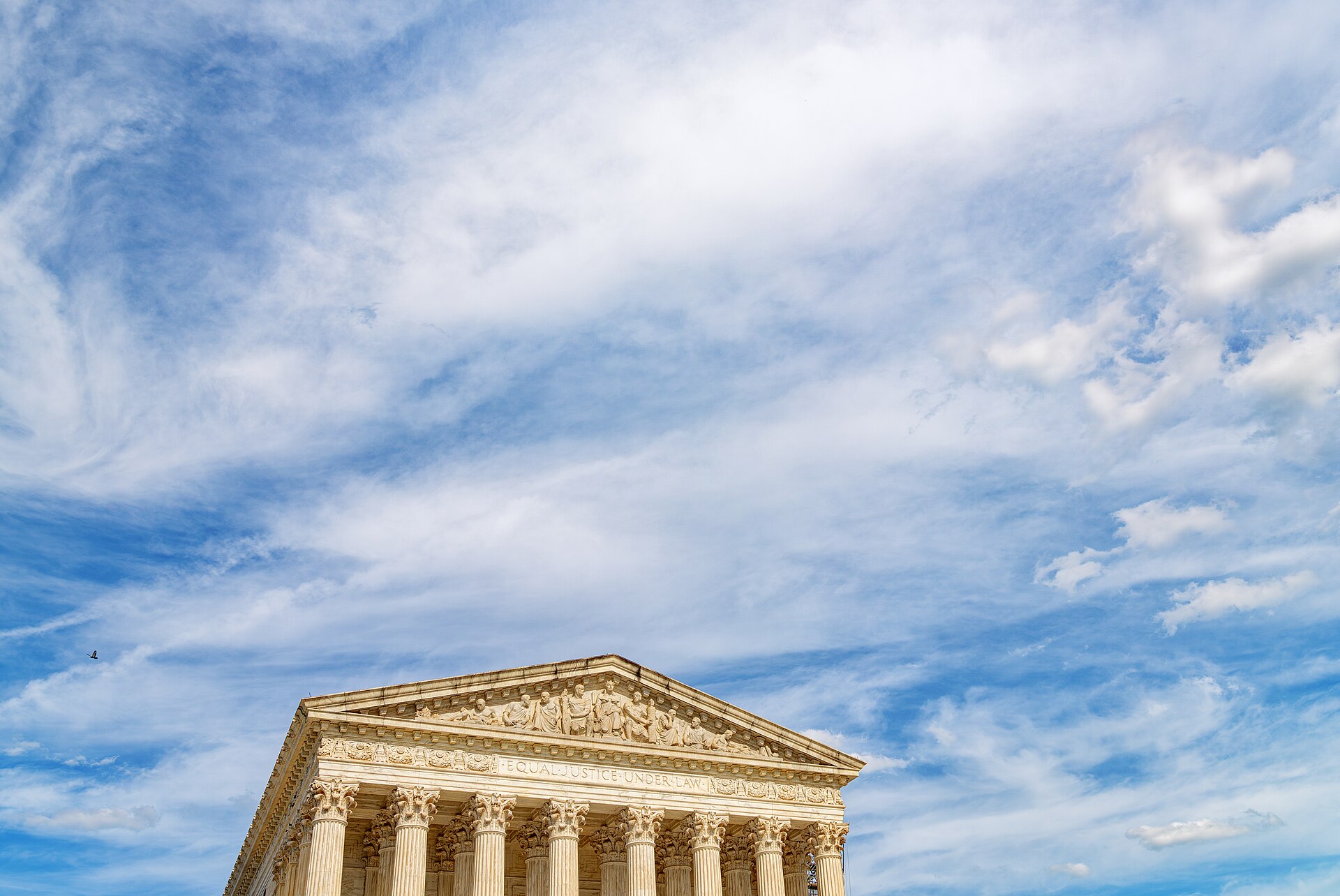
The administration, by contrast, has asked the Supreme Court to lift the lower-court injunction and let the order go into effect. Its appeal puts the justices at the center of a dispute that blends presidential authority, federal election policy and the mechanics of getting ballots to voters.
A separate injunction from the same Boston judge also blocks the Postal Service from making procedural changes before this year’s midterms. For the USPS rule to have practical force, that barrier would likely have to be removed as well.
The calendar is the real pressure
The legal fight is unfolding against a fixed election calendar. North Carolina must send mail ballots to military and overseas voters by Sept. 4, according to the AP. Those voters are often among the first to receive ballots because of the time needed for international delivery and return.
Once ballots begin going out, broad changes become harder to manage. States would need to assess whether ballot materials, mailing systems and voter data processes comply with any newly enforceable federal directive.
Election officials also have to consider unequal consequences. A policy that arrives after some jurisdictions have mailed ballots could be difficult to apply uniformly, while any attempt to reformat or reissue materials could create confusion for voters and added cost for local administrators.
Supporters of tighter mail-voting rules often frame them as a way to strengthen confidence in ballot eligibility. Critics say late federal intervention risks disrupting lawful voting access without evidence that a new nationwide process can be implemented fairly in time.
What voters should watch now
Nothing in the Postal Service announcement means that current state mail-ballot rules have automatically changed. The key unanswered question is whether the Supreme Court will act on the administration’s request, and whether other court restrictions would remain in place.
For now, voters should look to their state and local election offices for ballot-request deadlines, eligibility rules, mailing guidance and ballot-tracking options. Those local instructions remain the most practical source of information while the federal case is unresolved.
The broader takeaway is that the USPS rule may prove less consequential than the court timetable. If the injunctions stay in place, the regulation could remain a footnote in the litigation. If they are lifted quickly, states may have to respond during one of the most time-sensitive parts of the election cycle.
A narrow policy with wide stakes
The Postal Service’s new rule does not deliver everything Trump has sought on mail voting, and its future is uncertain. Still, it shows how a fight over presidential power can quickly reach the most routine parts of an election: voter lists, envelopes, ballots and delivery schedules.
Whether the Supreme Court intervenes soon will determine more than the status of one USPS regulation. It could decide whether states must confront a federal voting directive after the election process has already started moving.

![Marine Corps Major in dress white uniform, W[orld] W[ar] II (LOC)](https://idahopublicpress.com/wp-content/uploads/2026/08/trendwire-rqctqy63-featured-tn5nyr2x.jpg)





Leave a Reply