
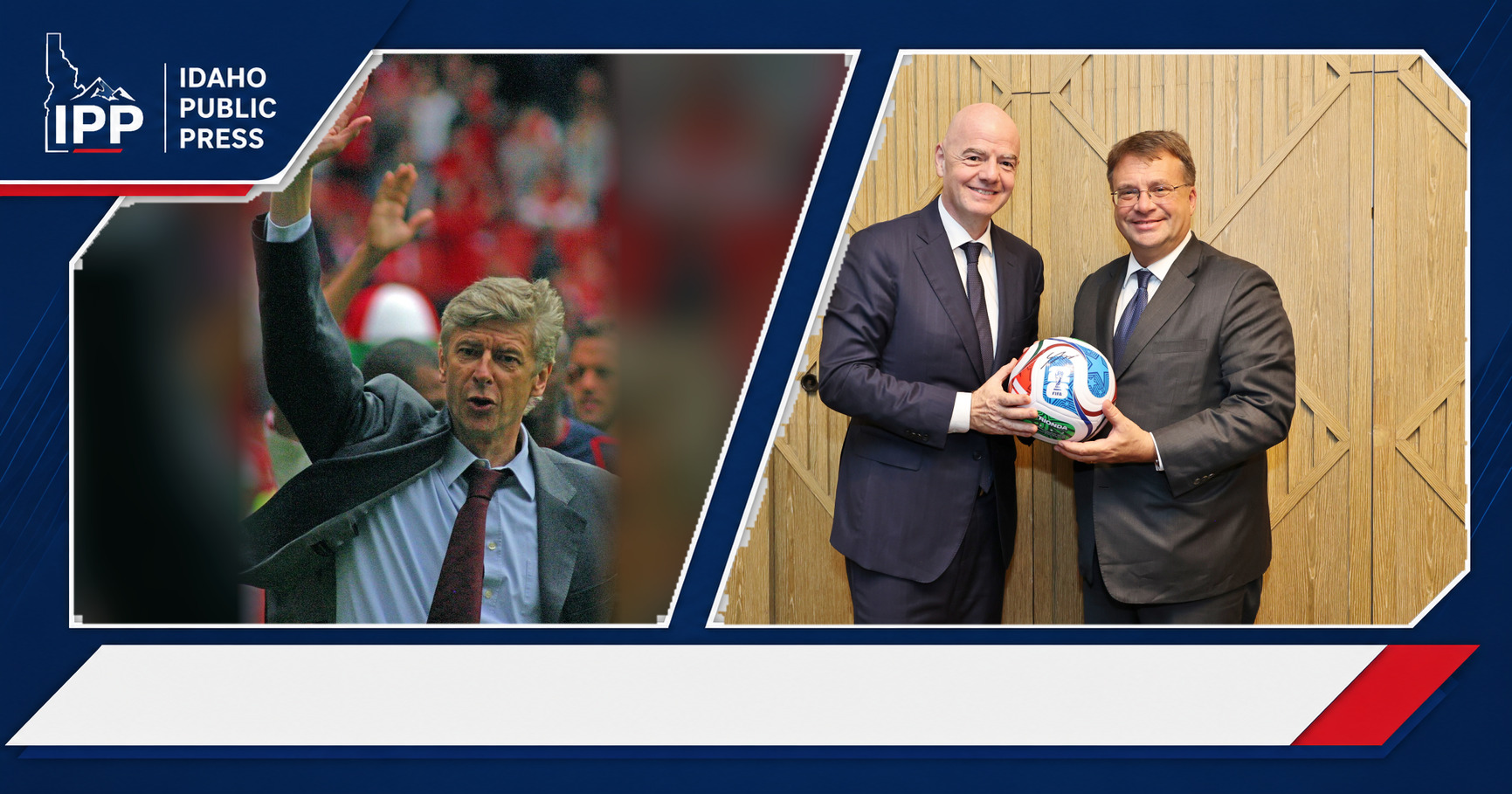
The former Arsenal manager now works inside FIFA, which makes his public distance from the proposal notable. The dispute cuts to a bigger question: who should control the money generated by football’s biggest tournament?
Arsène Wenger breaks silence on Gianni Infantino’s failed World Cup sell-off plan on Tuesday, saying FIFA’s proposal to sell stakes in future World Cup profits to private investors should have been scrapped. The disputed idea was reported as a $20 billion commercialization push tied to a $4.2 billion World Cup profit stream; Infantino offered FIFA’s 211 member associations $40m each if they backed it. UEFA’s 55 nations resisted, with boycott and legal threats, turning a Geneva-centered governance fight into a test of who controls football’s biggest event.
Wenger is not an outside critic. The former Arsenal manager has worked as FIFA’s chief of global football development since 2019, and he has previously supported some of Infantino’s big-ticket reforms, including the push for a men’s World Cup every two years. That is why his public distance from this plan matters.
Wenger draws a sharp line
In a statement issued through FIFA, Wenger said he was not involved in the strategic plan and first learned of it through media reports, according to BBC Sport. His wording was pointed: withdrawing the project was, in his view, absolutely necessary and beyond question.
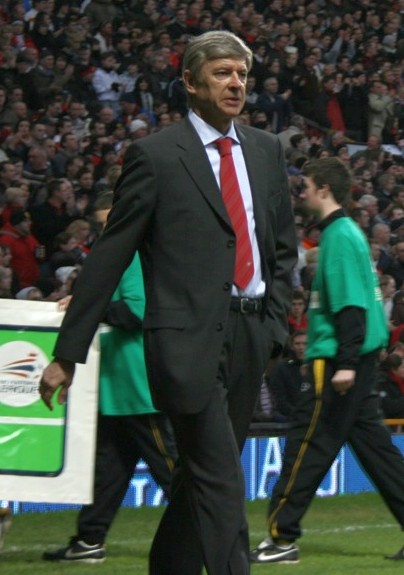
He framed the issue around independence, transparency and integrity — three words that land heavily when the asset under discussion is the World Cup. FIFA’s flagship tournament is not just a commercial product; it is the financial engine of world football and the symbolic center of the sport’s global authority.
Wenger’s intervention also separates him from a proposal that quickly became toxic inside and outside FIFA. It does not make him a rebel against FIFA. It does show that even senior figures within the organization saw the plan as impossible to defend once the details became public.
The proposal that triggered revolt
The plan, as reported by BBC Sport and other outlets, involved creating a commercial subsidiary to run FIFA’s main events, including its World Cups. External investors would have been able to buy stakes in that structure, putting private capital closer to the future earnings of FIFA’s most valuable competitions.
Infantino’s pitch to the 211 member associations came with a striking number: $40m for each association if they backed the proposal. FIFA’s smaller and less wealthy members depend heavily on development money, so the offer was not minor administrative sweetener. For many federations, that amount could reshape facilities, youth programs and national-team budgets.
That is also why the backlash was so fierce. Supporters of such a model could argue that private money might accelerate investment across the game, especially outside the richest confederations. Critics saw a different risk: locking football’s central assets into a structure that could prioritize investor returns over the sport’s long-term interests.
The central question was not whether FIFA should make money. It already does. The question was whether future World Cup profits should be partly opened to outside investors, and who would have the power to make that decision.
UEFA forced the issue
UEFA moved early and loudly. Its 55 member nations threatened to boycott FIFA tournaments if the plan went ahead, according to BBC Sport’s timeline of the dispute. UEFA also accused FIFA of crossing a line, using the blunt message that football was not FIFA’s to sell.
That pressure mattered because the World Cup cannot function normally without Europe’s major teams, broadcasters, sponsors and political weight. A boycott threat from UEFA is not routine posturing; it is an existential warning to any FIFA project built around the World Cup’s commercial value.
Other confederation-level resistance followed. Concacaf said its 41 member associations rejected the proposal, while the Asian Football Confederation expressed solidarity with UEFA and Concacaf, stopping short of the same categorical rejection in the reporting cited by BBC Sport.
By Aug. 1, the project had been withdrawn. UEFA later threatened legal action and sent a document preservation letter to FIFA. Wenger was among 18 FIFA officials named in that preservation request, though being named in such a letter does not itself establish wrongdoing.
FIFA insiders also pushed back
The collapse did not come only from external opposition. Mattias Grafström, FIFA’s secretary general and a close Infantino ally, told staff in an internal memo that the previous week had been difficult to comprehend and accept, according to BBC Sport.
Grafström described the episode as sad and reproachable, while urging employees to stay focused on FIFA’s mission and statutes. That internal note is significant because it acknowledged turmoil inside the organization rather than presenting the abandoned plan as a simple misunderstanding.
Carlos Cordeiro, Infantino’s senior adviser on global strategy and governance, resigned over the affair. He called the proposal a bad deal for football and warned it would mortgage football’s future, according to BBC Sport.
Those internal reactions complicate any simple Infantino-versus-UEFA reading. The resistance reached into FIFA’s own administrative and advisory circles, raising questions about who knew what, when the plan was built, and how much scrutiny it received before member associations were asked to support it.
Why the World Cup cannot be treated like a normal asset
World Cup money funds far more than the tournament itself. FIFA’s development programs, grants and competitions are built around the revenue generated by its major events. For smaller associations, FIFA support can be the difference between long-term planning and survival-level budgeting.
That dependence gives FIFA enormous leverage. When a president offers member associations tens of millions of dollars, the proposal lands in federations with very different needs and negotiating power. Wealthier associations may worry first about governance. Poorer associations may first see training centers, pitches, travel budgets and salaries.
Private investors would bring another set of incentives. They typically expect growth, predictability and returns. In a football context, that can create pressure around tournament formats, broadcast packaging, sponsorship control, calendar expansion and where future competitions are staged.
None of that means outside money is automatically harmful. Sport already runs on commercial partnerships. The danger critics identified was more specific: once future World Cup profits are partly sold or pledged, reversing course can become difficult, and decisions about the game may be shaped by contracts as much as by sporting judgment.
Infantino’s leadership faces the aftershock
The immediate outcome is clear: the plan is dead. Wenger said scrapping it was necessary. UEFA and others forced the political reality. FIFA has been left to contain the damage.
The longer-term consequences are less settled. UEFA has said it lost confidence in Infantino’s leadership, according to BBC Sport. Concacaf called for a full review after what it described as a unilateral and egregious act of poor governance. Some national associations have also moved to withdraw support for Infantino’s continued leadership.
What remains unclear is how the proposal advanced so far, who shaped the financial terms, and whether FIFA’s internal checks were bypassed or simply overwhelmed by presidential authority. Those answers matter because the next fight over World Cup money will not start from zero. It will start from this failed attempt.
Wenger’s statement is therefore less about one man breaking silence than about a fault line inside football’s power structure. FIFA wants to grow revenue and fund the global game. Its members want money, influence and protection from overreach. The World Cup sits in the middle, too valuable to ignore and too politically explosive to sell without a fight.






Leave a Reply