
The rejected measure was more than a tax-cut question. It would have reshaped how Missouri raises money and left major fiscal questions for lawmakers to answer later.
Missouri voters rejected a ballot measure to eliminate the state income tax in 2026, defeating Amendment 5 after a campaign over whether Missouri should move away from taxing individual income. The measure would have eliminated the state income tax through a legislatively required phase-out tied to revenue growth.
The result matters for Missouri tax policy and state finances because the proposal also would have authorized broader sales and use taxes, limited constitutional tax protections and left future budget effects officially listed as unknown.
Amendment 5 was no simple cut
The rejected measure appeared on Missouri’s Aug. 4, 2026 primary ballot as Amendment 5, according to the Missouri Secretary of State’s certified ballot measure listing. Its official title asked whether the state constitution should be amended to require a phase-out of the individual state income tax based on revenue growth.
That detail matters. This was not written as an immediate repeal taking effect the morning after Election Day. The ballot language would have required lawmakers to carry out the phase-out, with the pace tied to state revenue growth.
That structure gave the proposal two identities at once: a promise to end the individual income tax and a handoff to future legislative action. Voters were being asked to put the broad command into the constitution before the full fiscal mechanics were known.
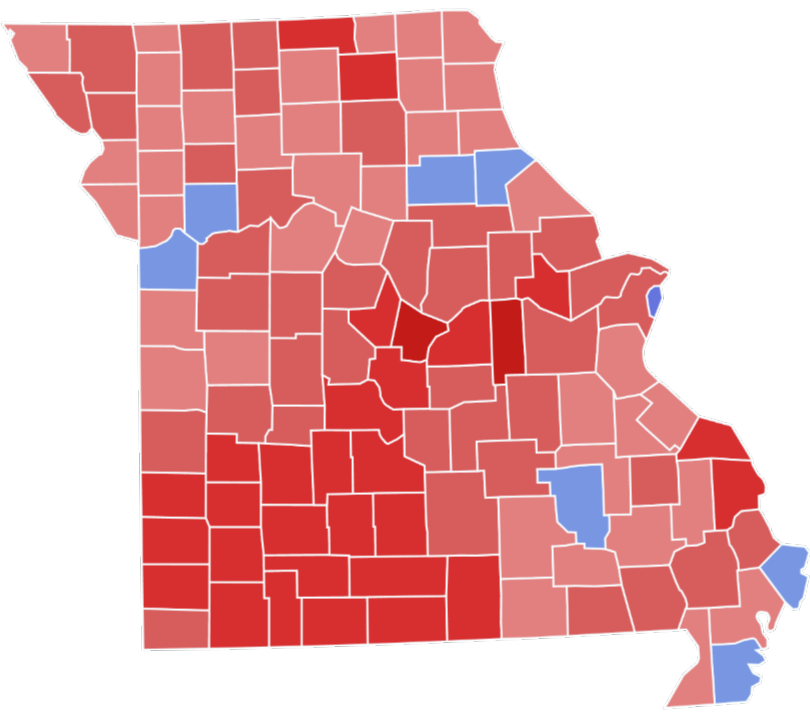
The Associated Press reported that Missouri voters rejected the measure. The defeat leaves the state’s individual income tax in place and avoids, for now, a constitutional mandate to replace a major revenue source through future legislation.
What a yes vote meant
The Missouri Secretary of State’s fair ballot language said a yes vote would have amended the constitution to require “legislative phase-out and elimination of the individual state income tax based on revenue growth.” It also would have authorized expansion of sales and use taxes.
The measure did not stop there. The official title said it would have curtailed constitutional limits on taxing goods and services and required local tax rate cuts without reducing school funding if local sales tax revenue increased.
Those provisions made Amendment 5 broader than the headline phrase “eliminate the state income tax” suggests. It was also a proposal about what Missouri could tax instead, how much room lawmakers would have to broaden sales taxes, and how local governments would be expected to react if sales tax collections rose.
A no vote, under the official fair ballot language, meant the constitution would not be amended to require the income-tax phase-out and would not authorize the sales and use tax expansion described in the proposal.
The tax swap voters declined
Income tax repeal proposals often appeal to voters who see the tax as a drag on paychecks, work and economic growth. The argument is straightforward: let people keep more of what they earn, make the state more attractive to residents and businesses, and force government to rely on other sources of revenue.
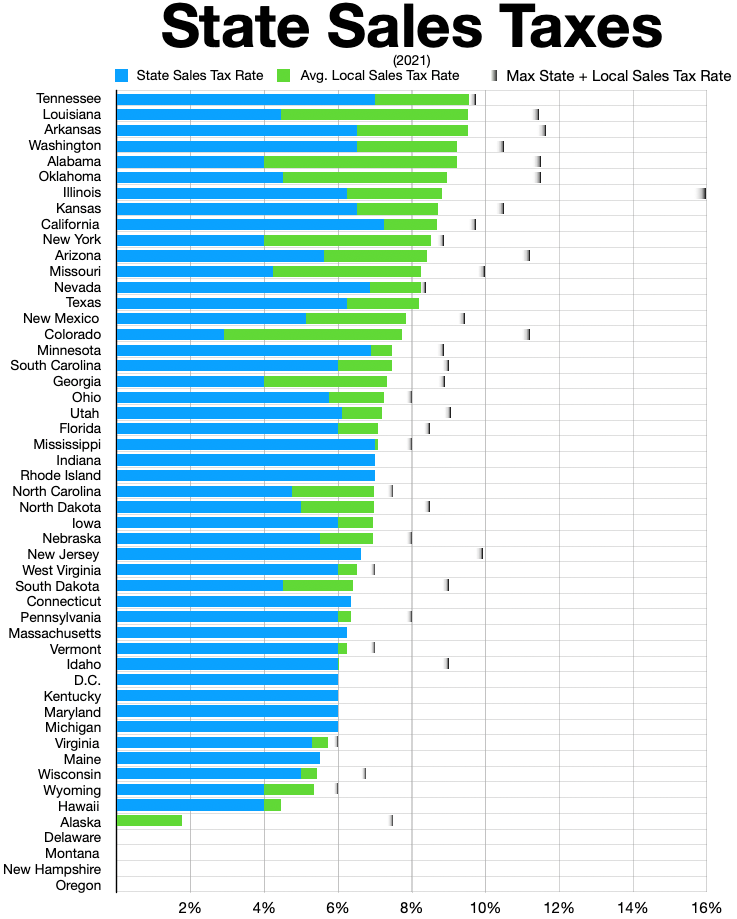
The counterargument is just as direct. If a state removes or reduces a large income-based tax, it still has to fund schools, roads, health programs, public safety and other services. One likely replacement is a heavier reliance on consumption taxes, which can fall differently across households depending on income and spending patterns.
Amendment 5 put that tension in front of Missouri voters. The official ballot title linked the income-tax phase-out with authority to expand sales and use taxes and to curtail existing constitutional limits on taxing goods and services.
That pairing may have been the measure’s central vulnerability. Voters were not only weighing the appeal of ending the individual income tax; they were also being asked to accept a less certain tax mix that could have shifted more of the state’s revenue system toward what people buy.
The fiscal note stayed murky
The official ballot summary did not give voters a clean price tag. The state’s certified language said the proposal had “no direct impact” on state or local tax revenue. But it added that if passed, implementing legislation would have an unknown impact on state and local tax revenue.
That distinction is important. A constitutional amendment can set a requirement without itself writing every statute, rate or timeline needed to execute it. Amendment 5 would have pointed Missouri toward elimination of the individual income tax, but the fiscal consequences would have depended on laws passed afterward.
The official summary did identify some narrower expected effects if the measure were implemented: state government entities expected a reduction of $57,000 annually in income tax check-off donations and implementation costs of at least $100,000.
Those numbers were not the main budget story. The bigger issue was the unknown impact of replacing or reducing income-tax revenue over time. For voters wary of blank spaces in a tax overhaul, the lack of a definitive fiscal estimate may have mattered as much as the tax-cut promise itself.
Why the defeat matters now
The rejection keeps Missouri from becoming the latest state to enshrine a path away from the individual income tax in its constitution. It also preserves more flexibility for lawmakers who may still want to cut taxes, but now must do so through ordinary legislation rather than under a voter-approved constitutional command.
That does not end the state’s tax debate. Lawmakers can still propose income tax reductions, sales tax changes or spending adjustments. Future ballot measures could also return in a narrower form or with more specific fiscal details.
For supporters of income-tax repeal, the vote is a setback but not necessarily a final defeat. The broader national debate over state income taxes remains active, especially as states compete over population growth, business investment and cost of living.
For opponents, the result is a sign that voters may be open to tax relief but skeptical of sweeping rewrites when the replacement revenue source is uncertain. In Missouri, the winning side was not just “keep the income tax.” It was also “do not lock in this version of repeal without clearer answers.”
What remains unresolved
The vote answers one question clearly: Amendment 5 failed, and the constitution will not be changed in the way the measure proposed. It does not answer how much appetite Missouri voters have for smaller tax cuts, slower phase-downs or a plan with more detailed budget offsets.
It also leaves unresolved the long-running tradeoff between lower income taxes and broader sales taxes. Sales taxes are visible at the checkout counter. Income taxes are visible in paychecks and annual filings. Each feels different to taxpayers, and each affects households and governments in different ways.
The clean takeaway is that Missouri voters rejected the specific 2026 ballot measure to eliminate the individual state income tax. The state’s tax system remains intact for now, and any future effort to change it will have to confront the same question Amendment 5 could not escape: what replaces the revenue when the income tax goes away?








Leave a Reply