
The Oval Office clash puts a loyal Trump ally in an unusually exposed position. It also highlights the tension between political demands and prosecutorial decisions in Washington.
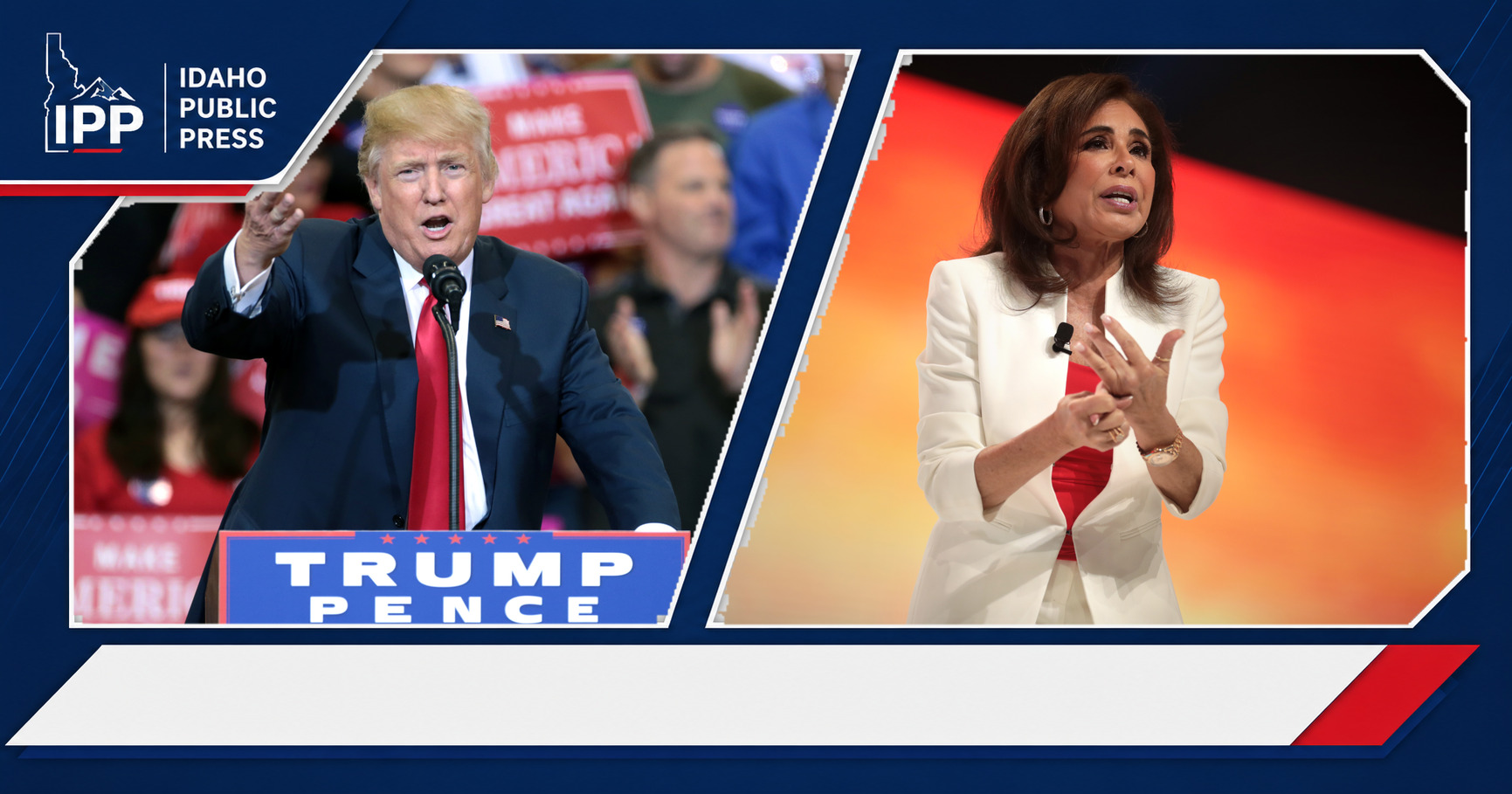
Donald Trump had a tense meeting with Jeanine Pirro at the White House on Monday, Aug. 4, 2026, after publicly criticizing her over how her office handled a Washington, D.C., Reflecting Pool case. According to multiple reports, the Oval Office meeting turned heated, with Trump scolding Pirro and sharply questioning her judgment. The dispute centers on Pirro’s role as U.S. attorney for the District of Columbia, a post that has made her future increasingly uncertain. Trump’s frustration underscored the pressure on Pirro, who is both a longtime ally and the top federal prosecutor in the nation’s capital.
Why Trump was angry
The immediate trigger was a reversal in a criminal case tied to damage at the Lincoln Memorial Reflecting Pool. PBS NewsHour reported that Trump criticized Pirro after her office moved to drop charges against a former Olympian accused of deliberately damaging the pool.
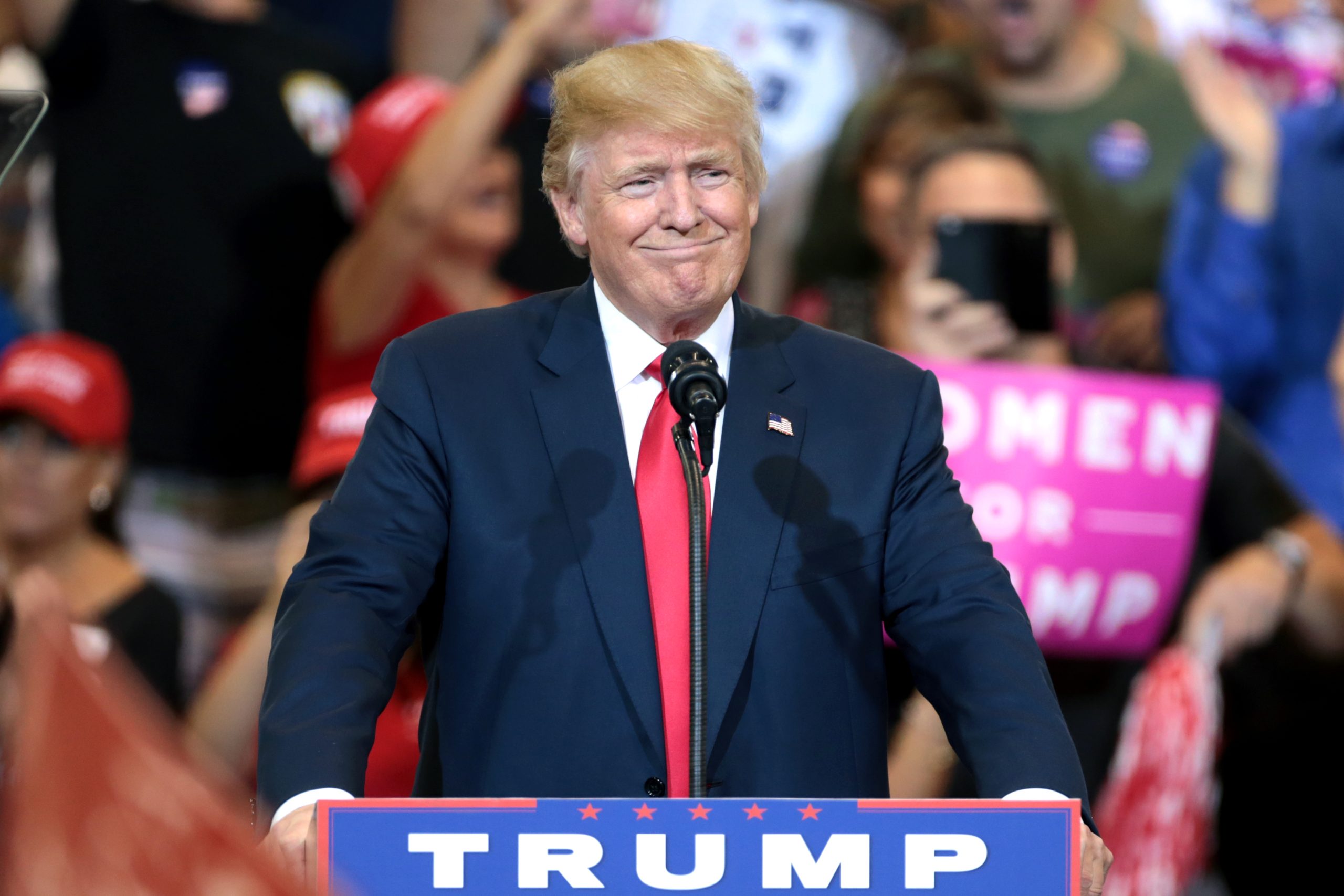
Trump said Pirro had “made a mistake” and “choked,” according to PBS, which also reported that he said she “folded like a cheap umbrella.” Those remarks came before the private Oval Office meeting described by CNN, NBC News and The New York Times.
The issue was not simply that charges were dropped. The filing from Pirro’s office blamed shoddy contractor work rather than vandalism, according to PBS, undercutting the criminal theory Trump had embraced publicly.
That difference — a president demanding accountability for visible damage versus a prosecutor’s office reassessing the evidence — is the core tension now surrounding Pirro.
The Oval Office clash
NBC News reported that Pirro and Trump “had it out” in the Oval Office, citing a source briefed on the meeting. CNN reported that Trump’s frustration was clear and that he yelled at Pirro and “read her the riot act.”
The New York Times reported that Trump met with Pirro at the White House hours after saying she had “choked” in the case. Taken together, the reports describe an unusually direct confrontation between a president and the federal prosecutor overseeing cases in Washington, D.C.
Trump did not, according to the available reports, announce that Pirro had been removed. PBS reported that he refused to say whether he would move to fire her.
That silence is part of what makes the moment so unstable for Pirro. A public reprimand from Trump is often enough to raise questions about whether an ally still has his confidence.
Pirro’s job looks exposed
NBC News reported that Pirro’s future as U.S. attorney for the District of Columbia is “deeply uncertain” after the meeting. That is a striking position for someone long seen as personally and politically aligned with Trump.
Pirro’s background makes the confrontation more notable. Before becoming the top federal prosecutor in Washington, she was widely known as a television personality and one of Trump’s most visible defenders on Fox News.
Her current role is different. The U.S. attorney for the District of Columbia runs one of the most watched federal prosecutor’s offices in the country, responsible for a heavy local docket as well as politically sensitive matters that unfold blocks from the White House and the Capitol.
That job can be held by a presidential appointee, but the office’s decisions still have to be defended in court. Dropping a weak case can be a normal prosecutorial act; doing so after a president has publicly demanded a tougher line can become a political flashpoint.
A broader pressure campaign
NBC News reported that Pirro faces additional pressure to secure indictments and convictions against Trump’s targets. That framing turns the Reflecting Pool case from a one-off dispute into a window on a larger question: what does the White House expect from prosecutors it has installed?
Trump’s supporters may see the confrontation differently. From that view, Pirro’s office backed away from a case involving damage to a landmark public space, and the president was demanding seriousness from a prosecutor whose office answers to the Justice Department.
Critics will see a more troubling signal. When a president publicly berates a U.S. attorney over a case outcome, it can look like pressure for politically preferred results, especially if the prosecutor is being judged by indictments or convictions rather than the strength of evidence.
Both readings can coexist in the politics of the moment. The legal system, however, is supposed to turn on evidence, charging standards and judicial scrutiny — not whether a case satisfies the president’s expectations.
The Reflecting Pool wrinkle
The underlying case also has an awkward factual layer. PBS reported that Trump acknowledged the contractor was “rushing” to complete the Reflecting Pool project before July 4, though the work did not ultimately finish by then.
PBS also reported that Trump suggested he did not know the contractor, while noting that this appeared to conflict with his own April comments saying he had chosen the company because it had done work at his golf course in Virginia.
Those details matter because they complicate the simple story of vandalism. If the government’s own filing pointed to contractor problems, Pirro’s office may have concluded that continuing a criminal case was not sustainable.
That does not mean the public has a full picture. The available reports do not lay out all of the evidence, the internal deliberations inside Pirro’s office or the Justice Department’s view of the decision.
What remains unclear
The biggest unknown is whether Trump will try to replace Pirro or whether the heated meeting was meant as a warning. NBC’s report that her status is uncertain suggests the issue is not settled.
It is also unclear whether the Reflecting Pool case will stay closed, whether another legal theory could be pursued, or whether the controversy will shift to the contractor and the government’s handling of the project.
For Pirro, the political damage may already be done. A prosecutor who rose with Trump’s public support is now facing public doubt from the same president, and the job she holds depends heavily on whether that support still exists.
For the Justice Department, the episode is bigger than one Oval Office argument. It is a reminder that Washington’s top prosecutor can be pulled between the evidence in a case, the expectations of the White House and the public demand for a justice system that looks independent even when politics is unavoidable.


Leave a Reply