
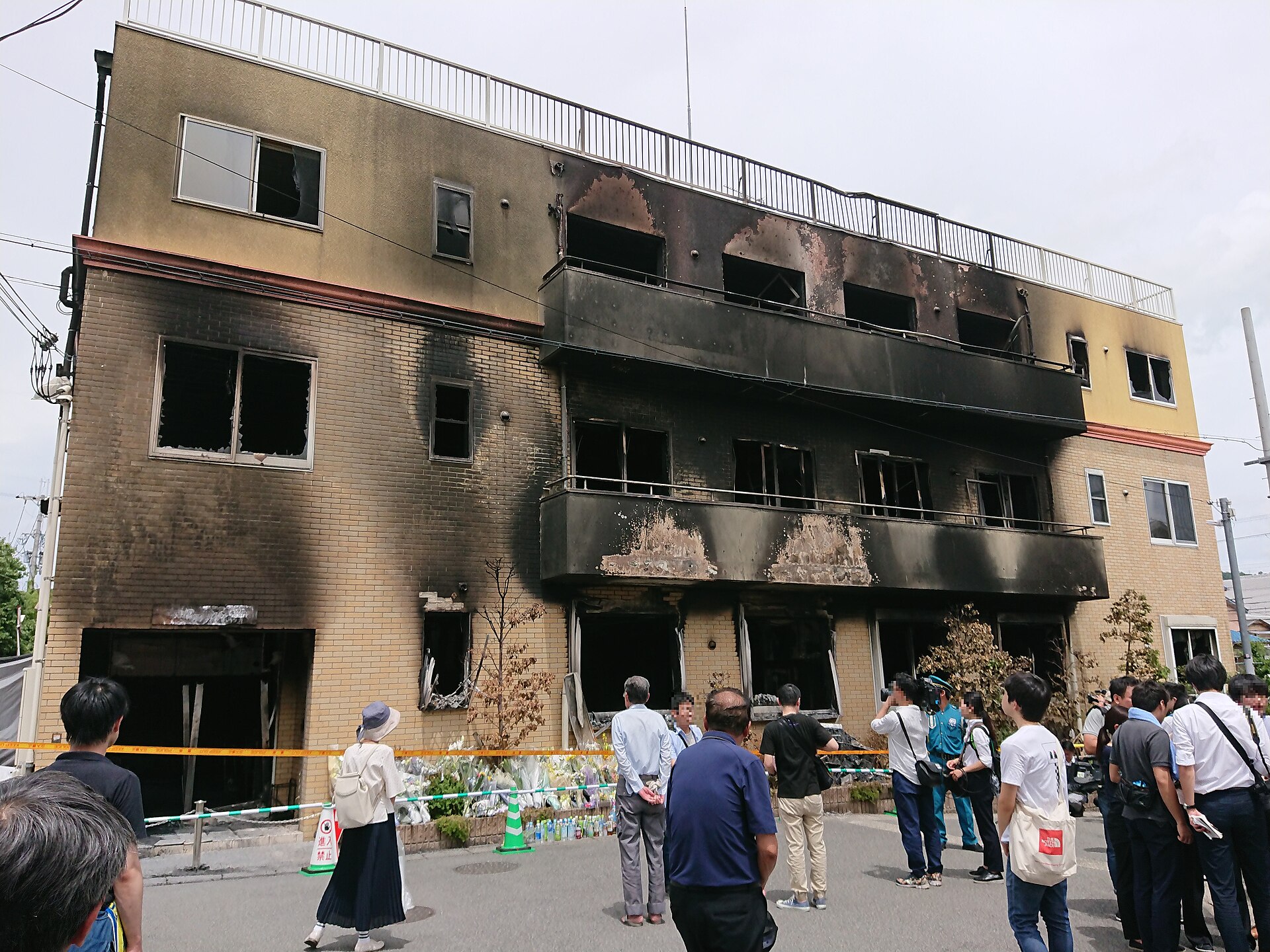
The arrest narrows one part of a larger wildfire emergency around Spokane. Investigators are still sorting out what caused the other fires and how residents recover after more than 65,000 people were told to leave.
Authorities arrested an arson suspect in Spokane County, Washington, and officials say the arrest was connected to one of the Spokane wildfires: the Old Trails Fire. The shorthand — Authorities arrest arson suspect — only captures part of the story. Aaron F. Farinacci, 37, is suspected of starting one of three fires; the wildfires forced thousands of people to evacuate, with more than 65,000 affected over the weekend, including Spokane County residents.
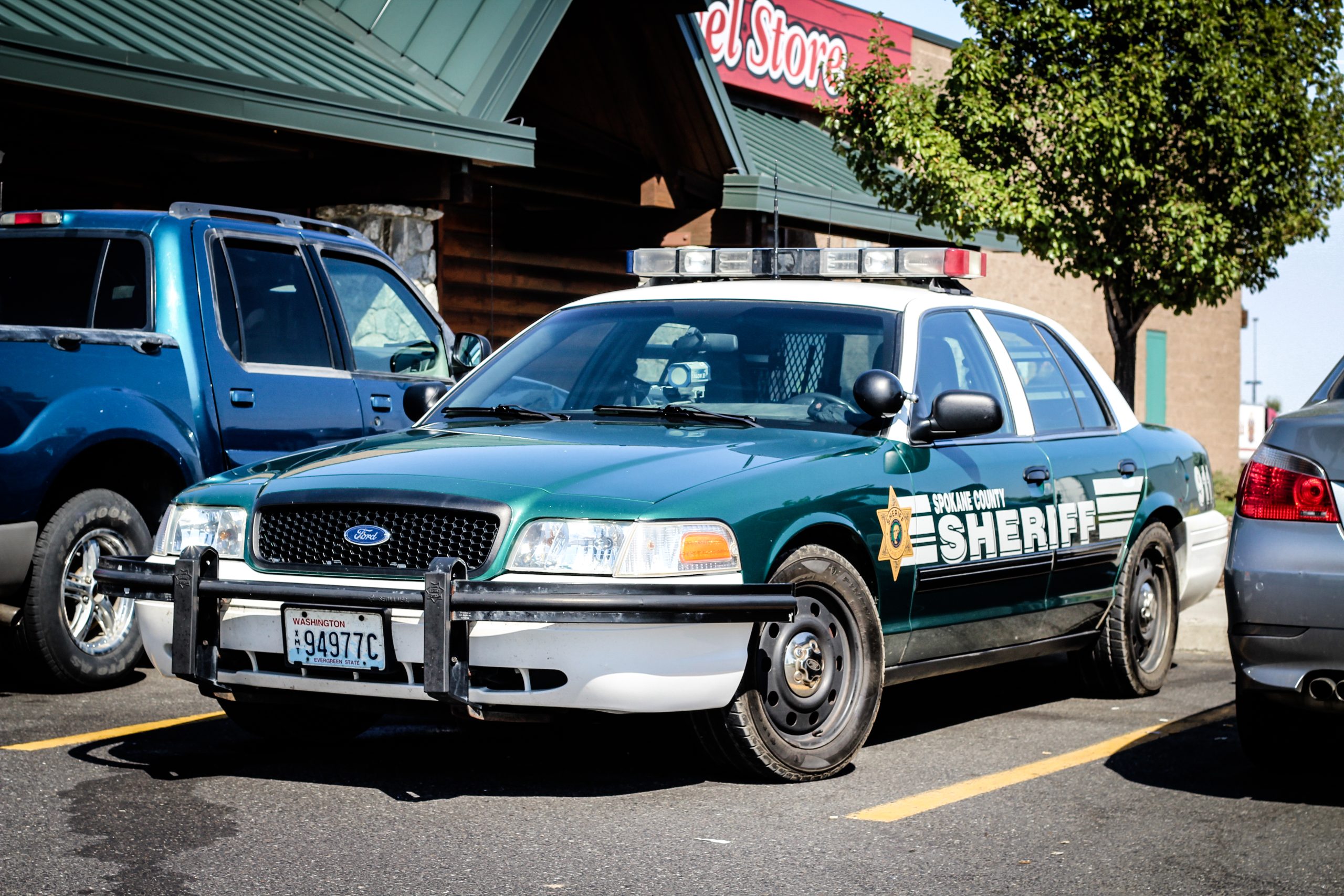
Farinacci was charged with one count of first-degree arson, according to Sheriff John Nowels of Spokane County, as reported by The New York Times. The allegation centers on a grass ignition near the start of the Old Trails Fire, while the Autumn Lane and Fairview fires remain part of the broader emergency that swept through parts of the Spokane area.
The arrest tied to Old Trails
The Old Trails Fire is the investigation now connected to the arson charge. According to Sheriff Nowels, fire investigators reported that the blaze appeared to have been intentionally set with a match or butane lighter used to ignite grass.
That detail matters because many wildfire investigations begin with a difficult question: whether a fire started accidentally, through natural causes, through equipment or power infrastructure, or by deliberate human action. In this case, officials have publicly described the suspected ignition method, while the criminal case is still at the allegation stage.
Farinacci has not been proven guilty. A first-degree arson charge is serious, but the legal process will determine whether prosecutors can prove the accusation in court.
What officials say led there
Sheriff Nowels said law enforcement had spoken with Farinacci on Saturday afternoon after receiving a call from a resident near where the Old Trails Fire began. The location described by officials was around West Euclid Road and North Old Trails Road, in the suburbs north of Spokane.
The resident told police he saw a man bending down in grass near the suspected ignition area, according to the sheriff. Officials said the witness described the man as appearing nervous after standing up.
At a Monday evening news conference, the sheriff also said Farinacci was carrying waterproof matches and a butane lighter when he was arrested. Those details are central to the public account of the arrest, but they are not the same as a conviction; they are pieces investigators and prosecutors are expected to rely on as the case moves forward.
Three fires, one countywide scare
The Old Trails Fire was one of three fires that hit the Spokane area over the weekend. The others were identified as the Autumn Lane and Fairview fires. Together, the fires forced more than 65,000 people to evacuate, according to the Times report.
That number shows why this case is drawing attention beyond a standard arson arrest. Evacuations on that scale mean families leaving homes with little notice, roadways filling with anxious drivers, shelters and emergency services preparing for demand, and officials making rapid calls under dangerous conditions.
For Spokane County residents, the disruption was not abstract. A wildfire warning can turn a normal weekend into a scramble over pets, medication, documents, relatives and where to sleep if the wind shifts or roads close.
Even when homes are spared, mass evacuations leave a mark. Residents return to smoke, uncertainty and the knowledge that one hot spot or fresh gust can change the threat picture again.
Why arson cases are hard
Wildfire arson investigations often move slower than public frustration. Burn areas can destroy evidence. Weather can alter a scene. Witness accounts may be valuable but still need corroboration. Investigators also have to distinguish where a fire started from where flames were first seen.
That is why official language tends to be cautious. Saying a fire appeared intentionally set is not the same as saying every question has been answered. It means investigators believe the evidence points in that direction strongly enough to support further action.
The Spokane case also highlights a tension common after major fires: communities want accountability quickly, while investigators must build a case that survives scrutiny. Moving too slowly can frustrate residents. Moving too fast can weaken a prosecution or unfairly shape public assumptions.
What remains unknown
The arrest answers one narrow question: authorities have identified and charged a suspect in connection with the Old Trails Fire. It does not explain every fire that burned around Spokane, and it does not establish whether the Autumn Lane and Fairview fires had similar causes.
Public reports so far do not establish a motive. They also do not provide a full accounting of damage, the status of every evacuee, or whether Farinacci has an attorney who can comment on the charge.
Those gaps matter. In a fast-moving wildfire emergency, early information often changes as fire crews, investigators and courts produce more reliable records. The safest reading for now is that Spokane County officials believe they have an arson case tied to one ignition point, while the broader fire emergency remains larger than one arrest.
The bigger Spokane takeaway
The Spokane wildfires show how thin the margin can be when grass, heat, wind and neighborhoods meet. Whether a spark is accidental or intentional, the consequences can spread far beyond the person or place where it begins.
For residents, the practical lesson is grim but clear: evacuation readiness is no longer just a rural concern. People on the edge of cities and suburbs increasingly need a plan for alerts, routes, medication, pets, fuel and family communication.
For officials, the case adds pressure to explain both the criminal investigation and the fire response. Residents who had to leave their homes will want to know not only who may be responsible for the Old Trails Fire, but also what can be done to reduce the next evacuation order from reaching tens of thousands of people.










Leave a Reply