

The results move Michigan’s open-seat governor race from primary season into a high-stakes general election. The contest will test Democratic strength after Gretchen Whitmer and Republican hopes behind a Trump-backed nominee.
Jocelyn Benson won the Democratic primary and John James won the Republican primary in live results from the 2026 Michigan governor primary elections on August 4, 2026, putting the two on course for a general election showdown. The race will decide who replaces term-limited Gov. Gretchen Whitmer.
Late Tuesday returns reported by The Washington Post showed Benson dominating her Democratic race, while James led a more crowded Republican field after receiving President Donald Trump’s endorsement. The results are not just a ballot count; they define the matchup Michigan voters will now weigh in November.
A decisive Benson victory
Benson, Michigan’s two-term secretary of state, defeated Genesee County Sheriff Chris Swanson in the Democratic primary, according to live results published Tuesday night. The New York Times also reported that The Associated Press called the Democratic race for Benson.
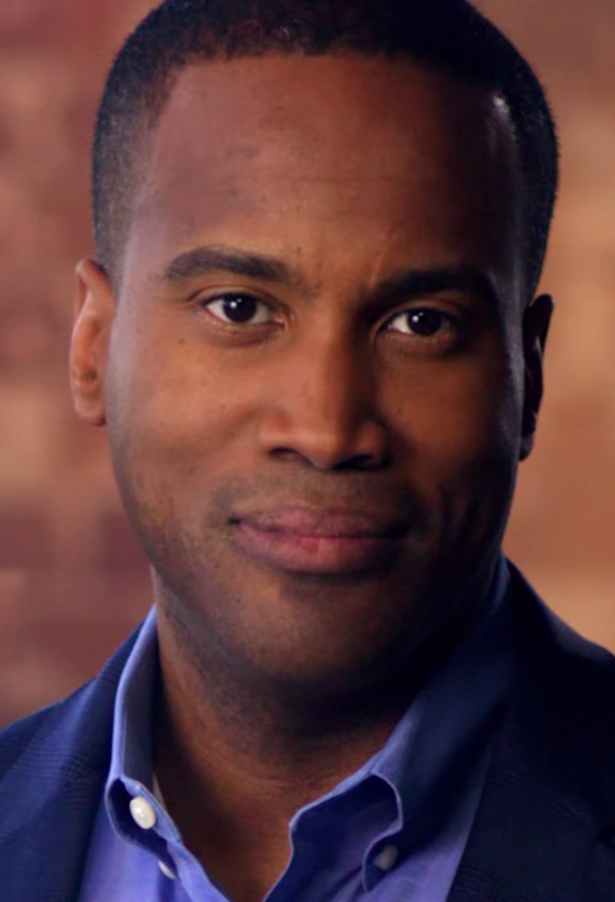
The margin was striking. The Washington Post’s results display showed Benson with 641,117 votes, or 83.9 percent, to Swanson’s 122,646 votes, or 16.1 percent, in an update timestamped 11:36 p.m. on August 4.
That kind of primary result gives Benson more than a nomination. It lets her leave the primary without visible intraparty damage, a valuable asset in a state where statewide races can turn on turnout, suburban margins and voter fatigue.
Benson’s current job also matters. As secretary of state, she is closely associated with election administration, voting access and the machinery of Michigan democracy. That profile can be an advantage with Democratic voters, but it also gives Republicans a clear line of attack in a polarized election environment.
James wins the GOP race
James, a Republican member of Congress, won the Republican primary over businessman Perry Johnson, according to The Washington Post’s live results. The GOP race was more competitive than the Democratic contest, with the result display showing James at 248,284 votes, or 50.1 percent, and Johnson at 177,097 votes, or 35.7 percent, in an update at 11:35 p.m.
The same results display showed additional Republican vote shares below the two leaders, including 12.6 percent and 1.6 percent for other candidates listed on the page. That underlines a key difference between the two primaries: Democrats exited with an overwhelming winner, while Republicans moved forward with a nominee who still had to beat back a divided field.
James is not new to statewide attention in Michigan, and his nomination gives Republicans a candidate with a national fundraising and media profile. His challenge now shifts from winning a partisan electorate to persuading voters in a general election that The Cook Political Report, cited by The New York Times, rates as Lean Democratic but competitive.
Trump shaped the Republican field
The Washington Post reported that James won after President Donald Trump endorsed him, prompting two other Republican candidates to leave the field. That detail is central to understanding the GOP result: this was not just a primary victory, but a sign of how much influence Trump still holds in Republican nomination fights.
For James, the endorsement likely helped consolidate conservative support and reduce the risk of a fractured primary dragging on. For Democrats, it gives Benson a familiar general-election frame: tying the Republican nominee to Trump and national GOP politics.
That cuts both ways. Trump remains a powerful motivator for Republican voters, and his backing can help a nominee energize the party’s base quickly after a primary. But in Michigan, where statewide contests often require winning over persuadable voters in metro Detroit suburbs and other swing areas, the same endorsement can become a target.
Johnson’s showing suggests there was still a meaningful Republican audience for an alternative. Whether those voters quickly unify behind James is one of the early questions of the general election.
Whitmer’s exit raises the stakes
Michigan’s governor’s office is open because Gov. Gretchen Whitmer, a Democrat, is term-limited. Open-seat races are often more volatile than contests involving incumbents because neither party can rely on the personal brand, governing record or built-in campaign structure of a sitting governor on the ballot.
Whitmer’s departure also creates a broader test for Democrats. The party has held the governor’s office under a nationally known figure; Benson now has to prove she can inherit enough of that coalition while defining herself as a potential chief executive rather than an election official.
Republicans see the same vacancy as an opportunity. James can argue that an open seat is the moment for a course correction, especially if voters are restless about the direction of state government or national politics.
The early shape of the race is clear: Benson enters with a unified Democratic primary result, James enters with a Trump-backed Republican nomination, and both candidates now have to broaden their appeal beyond the voters who chose them Tuesday.
The numbers are still snapshots
Election-night live results are moving records, not certified final totals. The figures reported late Tuesday by The Washington Post and The New York Times captured the state of the count as counties continued reporting and news organizations updated their race pages.
That distinction matters because margins, county totals and turnout estimates can shift as more ballots are processed. It does not change the projected outcome reported by the sources, but it does mean the precise vote counts should be treated as election-night snapshots until official canvassing is complete.
The New York Times noted that its percentage of votes reported relied on Associated Press turnout estimates. Those estimates are useful for understanding how much of the expected vote has been counted, but they are not the same as a final official turnout figure.
For readers following the race, the key takeaway is less about the last digit of the vote count and more about the political pattern: Benson’s Democratic win was lopsided, while James emerged from a more contested Republican primary with the help of Trump’s endorsement.
What changes after primary night
The campaign now becomes a two-person argument over Michigan’s next direction. Benson is likely to emphasize competence, voting rights, continuity and Democratic governance after Whitmer. James is likely to push for change, Republican control and a sharper break from the current administration.
Outside groups and national party committees will also be watching closely. A competitive open governor’s race in Michigan can attract money quickly, especially when it features a Democratic statewide official and a Republican congressman with Trump’s support.
Several questions remain open. How aggressively will Benson run on Whitmer’s record? Can James keep Trump voters energized without alienating moderates? Will Johnson’s supporters and other Republican primary voters fully consolidate behind the nominee? And how much will national politics overshadow state-level issues?
Primary night answered the first question: Benson and James are the nominees. The harder question begins now, as Michigan voters decide who should replace Whitmer and lead the state after 2026.






Leave a Reply