
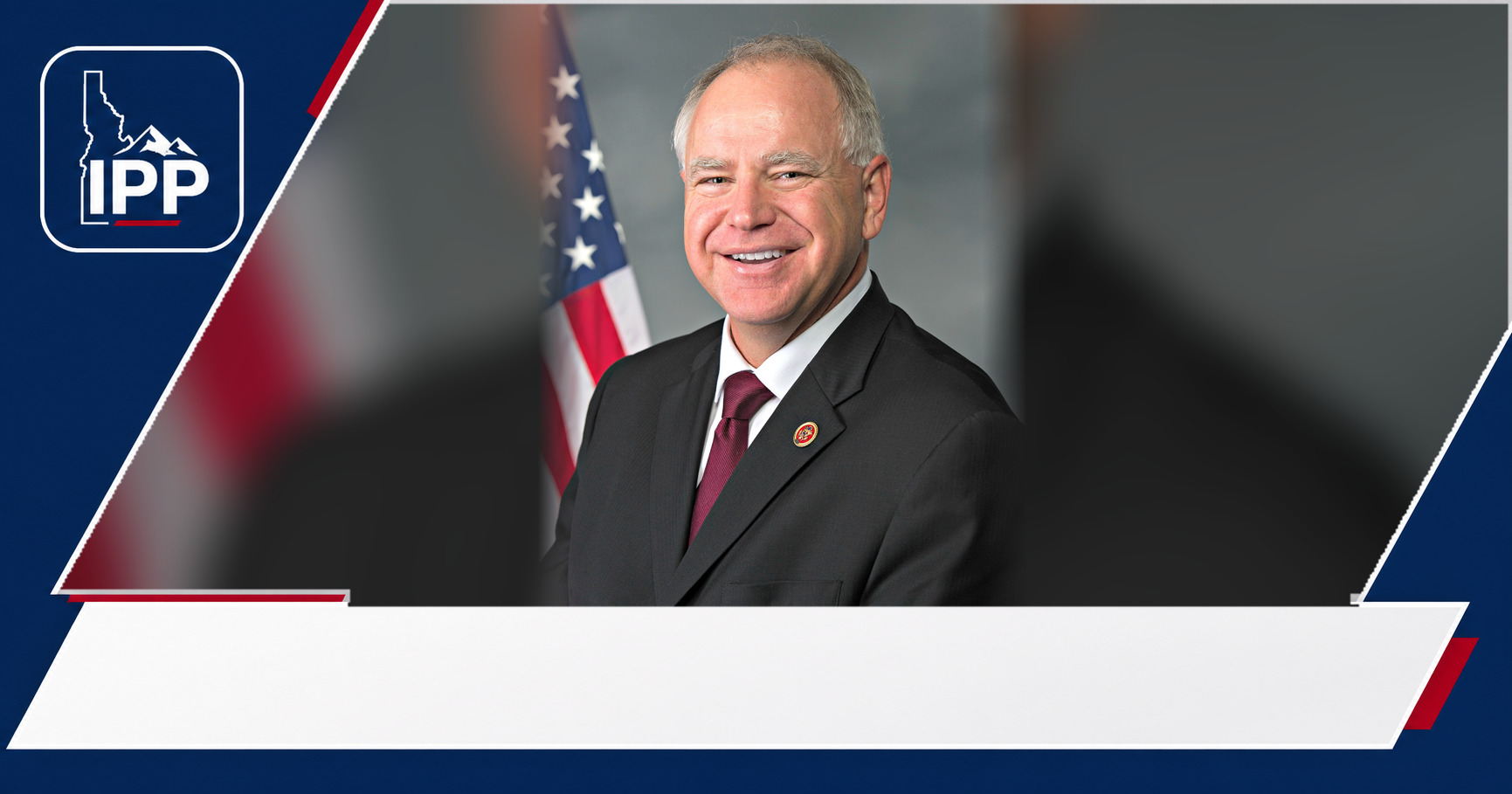
Walz’s decision creates an open contest for Minnesota governor and puts the state’s response to fraud allegations at the center of the campaign. Sen. Amy Klobuchar is considering whether to enter the race, while Republicans already have a crowded field.
Minnesota is preparing for a political succession after Tim Walz ended his bid for a third term as Minnesota governor on Monday. Fraud allegations are shaping Minnesota’s political succession, and Amy Klobuchar is considering entering the race to replace Walz as Minnesota Republicans press their case that the state’s oversight failures should define the contest.
Walz is not accused of wrongdoing, but investigations and criminal cases involving alleged misuse of public funds have become an unavoidable political burden. His decision turns an expected re-election campaign into an open race over who can credibly address fraud, restore confidence in government programs and lead the state next.
Walz leaves an open race
Walz said he would step out of the race rather than seek another term, reversing plans he had expressed only months earlier. The governor framed the decision around the time and attention needed to protect Minnesotans from people who exploit public programs, rather than spending that energy on his own political defense.

The announcement is a major shift in a state where Walz had been expected to remain a prominent Democratic figure. He had faced no serious primary threat, and his departure leaves the party without an incumbent at the top of the ticket.
It also changes the political question. Instead of a referendum largely centered on Walz’s record, Democrats must now decide whether a new candidate can separate from the administration’s weaknesses while preserving its broader governing agenda.
Fraud is now the core issue
The political pressure centers on high-profile fraud allegations and prosecutions tied to publicly funded programs. Politico reported that dozens of people have been charged with felonies in connection with the theft of hundreds of millions of dollars from COVID-era programs intended to feed children.
NBC News also described heightened scrutiny of Minnesota’s handling of alleged child care fraud. The reporting underscores an important distinction: the cases and allegations concern people accused of exploiting government programs, not an allegation that Walz personally committed fraud.
That distinction may matter legally, but it has not made the political problem disappear. Critics argue that the scale of the alleged losses points to failures in oversight, enforcement and response. Supporters of the governor can argue that wrongdoing by outside operators should not automatically be assigned to elected officials, particularly when investigations result in charges and prosecutions.
The campaign is likely to test where voters draw that line: personal culpability, administrative responsibility or both. It is a difficult subject because voters can reasonably demand better safeguards while also recognizing that public-benefit programs serve people who need them.
Klobuchar weighs a consequential move
Amy Klobuchar has not announced a campaign, but she is seriously considering one, according to reporting by Politico and NBC News. Politico reported that Walz met with the U.S. senator on Sunday and that people close to her said she had received encouragement to run.
Klobuchar would enter with statewide name recognition and a record of winning Minnesota elections by margins stronger than other Democrats, including Walz in some past contests. That makes her a potentially stabilizing choice for a party suddenly facing an open-seat race.
But a Klobuchar campaign would not erase the fraud issue. Her challenge would be to offer a clear account of how Minnesota can improve program oversight without reducing the debate to partisan blame or suggesting that the state should retreat from services designed to help families.
Her decision also carries a practical political question beyond the governor’s race: a move to run would create an opening around her U.S. Senate seat. Until she makes a decision, Minnesota Democrats are left with an unusual period of uncertainty at the top of their political bench.
Republicans see an accountability case
Minnesota Republicans quickly sought to link Walz’s departure to the fraud controversy. The Republican Governors’ Association said Democrats’ eventual nominee would have to answer for what it called years of mismanagement and misplaced priorities.
The state’s Republican primary already includes MyPillow CEO Mike Lindell, Minnesota House Speaker Lisa Demuth, state Rep. Kristin Robbins and Minneapolis attorney Chris Madel, according to Politico. A crowded field can produce competing campaign messages, but fraud oversight gives the party a single issue that can connect candidates with very different backgrounds.
Republicans will likely argue that Minnesota needs tougher controls before public money is distributed and faster intervention when warning signs emerge. Democrats are likely to answer that prosecuting alleged fraud and strengthening safeguards are not partisan goals, and that criticism should be measured against specific policy proposals.
The effectiveness of either argument may depend on detail. Broad claims about accountability can be politically potent, but voters may look for concrete answers about audits, agency leadership, reporting systems, enforcement resources and how to prevent eligible families from being harmed by new restrictions.
The race will test trust in government
Walz’s decision does not settle the debate over Minnesota’s fraud cases; it ensures that the debate will move to the center of the governor’s race. The next governor will inherit not only a political controversy but also pressure to show that state agencies can deliver services without leaving public money vulnerable to abuse.
Several major questions remain unresolved. Klobuchar has not decided whether she will run, Democrats have not settled on a successor, and the Republican field is still developing. It is also unclear which reforms candidates will embrace and whether they can distinguish between failures in administration and the underlying value of the programs involved.
For now, Minnesota’s open governor race has a defining early theme. The contest to replace Walz will be about candidates and party control, but it will also be a test of whether either side can turn anger over fraud allegations into a credible plan for better government.



Leave a Reply