
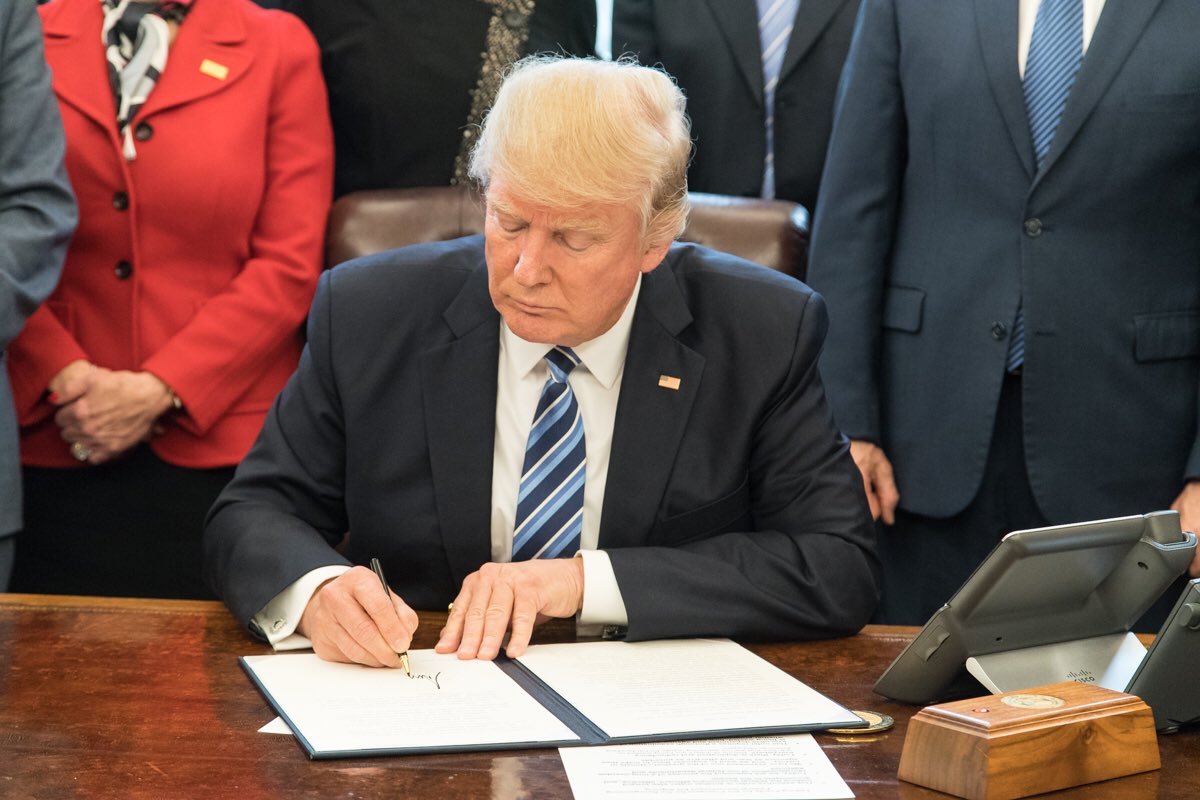
The White House says its goal is to deny Iran revenue for its nuclear, missile and regional activities. As economic pain in Iran mounts, the central question is whether pressure produces diplomatic leverage or deepens a long-running crisis for ordinary people.
Donald Trump’s Iran strategy depends on economic pain, and economic pain in Iran is mounting. The administration’s approach is designed to squeeze the Iranian government’s access to oil revenue, finance and trade in hopes of changing Tehran’s conduct on its nuclear program, missiles and regional partners.
That makes Iran’s worsening economic conditions more than a domestic story. They are central to whether Trump’s Iran strategy can produce leverage, talks or policy concessions — or whether pressure simply increases hardship while hardening the government’s resistance.
Maximum pressure is the policy
The Trump White House put its approach in writing in National Security Presidential Memorandum 2, issued in February 2025. The memorandum says the United States will impose “maximum pressure” on Iran to address what the administration describes as Tehran’s nuclear threat, ballistic-missile program and support for armed groups across the region.
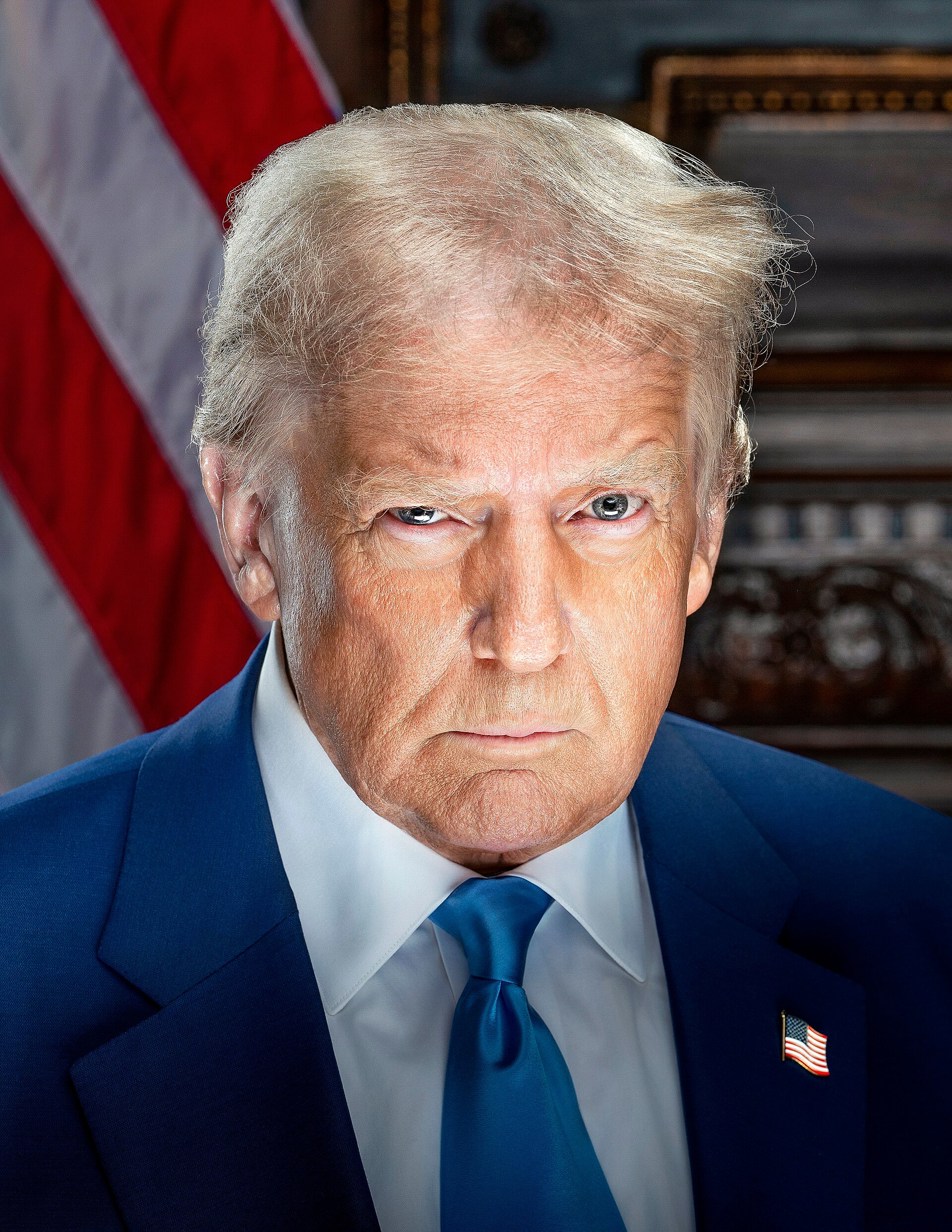
Its instructions are broad. The Treasury Department was directed to pursue sanctions enforcement, target people and entities accused of violating Iran-related restrictions, review forms of sanctions relief, and warn industries such as shipping, insurance and port operations about the risks of doing business that could violate U.S. rules.
The policy’s logic is straightforward: reduce the revenue available to the Iranian state and its security apparatus, then use that financial constraint to force a change in behavior. It is a pressure campaign meant to create negotiating leverage without relying solely on military action.
Economic distress is the leverage
CNN reported that the pain is mounting in Iran, including pressure on households facing the rising cost of basic survival. That is significant because sanctions do not operate in a vacuum. They land in an economy already shaped by currency weakness, high prices, constrained investment and limited access to the global financial system.
For Washington, a strained economy can narrow Tehran’s room to maneuver. Less revenue may mean fewer resources for imports, infrastructure, public spending and regional operations. It can also raise the political cost of decisions made by Iranian leaders.
But economic pressure does not neatly distinguish between the government and the public. A campaign intended to restrict state revenue can ripple through banks, merchants, manufacturers and families, especially when foreign companies decide that any connection to Iran carries too much legal or financial risk.
That is the tension at the center of the strategy: the more severe the pressure becomes, the more Washington may claim it is gaining leverage — and the more clearly the human consequences become part of the policy debate.
What Washington says it wants
The White House memorandum frames the policy as a security measure, not an economic punishment for its own sake. It says the United States seeks to deny Iran a nuclear weapon and intercontinental ballistic missiles, disrupt the Islamic Revolutionary Guard Corps and its partners, and limit resources used for destabilizing activity.
The administration also cites Iran’s relationships with groups including Hezbollah, Hamas and the Houthis, as well as attacks and threats involving U.S. interests and allies. Iranian officials have repeatedly rejected Washington’s characterization of their policies and have long argued that U.S. sanctions are unlawful coercion aimed at weakening the country.
Those competing narratives matter. The United States presents sanctions as a way to curb military and regional behavior. Tehran presents them as collective economic pressure that harms civilians and infringes on Iran’s sovereignty. Neither description erases the practical effects of a restricted economy.
Sanctions can create unintended effects
Supporters of maximum pressure argue that easing sanctions without meaningful Iranian concessions risks funding the very activities Washington says it wants to contain. In that view, sustained enforcement is necessary because temporary relief can be exploited and because partial sanctions are easier to evade.
Critics counter that economic isolation can make diplomacy harder, not easier. A government under external pressure may prioritize survival, deepen ties with non-Western trading partners, expand informal commerce or use confrontation abroad to rally domestic support.
There is also a credibility problem for any coercive policy. Pressure is most effective when the target understands what it can gain by changing course. If Tehran sees the demanded changes as too sweeping, or doubts that sanctions relief would endure, it may decide that absorbing the pain is less risky than making concessions.
Humanitarian exemptions are intended to allow trade in food, medicine and other essential goods. Yet exemptions do not always solve the problem in practice. Financial institutions and suppliers can remain wary of transactions involving Iran because compliance mistakes carry major penalties and reputational risks.
The missing measure of success
The policy is clear about the conduct it seeks to constrain, but less clear about the sequence that would turn economic pressure into a durable outcome. Would a pause in nuclear activity be enough? Would missile limits, regional de-escalation or inspections be required? What sanctions relief, if any, would follow?
Those questions are not technical details. They determine whether pressure functions as a route toward a negotiated agreement or as an open-ended effort to weaken Iran’s capacity over time.
The immediate evidence of strain inside Iran may show that the economic component of Trump’s strategy is working in a narrow sense: hardship is real and the state faces constraints. It does not by itself show that Tehran is prepared to accept U.S. terms.
Pressure is not the same as leverage
Trump’s Iran strategy depends on economic pain because it treats financial restriction as a tool of national security. The White House has made clear that it wants a robust, continuing sanctions campaign aimed at denying the Iranian government and its partners access to revenue.
Yet the ultimate test is political, not merely economic. Mounting pain can increase leverage only if it is paired with credible diplomatic off-ramps, specific goals and a realistic assessment of how Iran’s leaders respond under pressure.
Until then, the strategy’s defining fact remains its central contradiction: the hardships that demonstrate the reach of maximum pressure may also make a negotiated exit more difficult to achieve.


Leave a Reply