
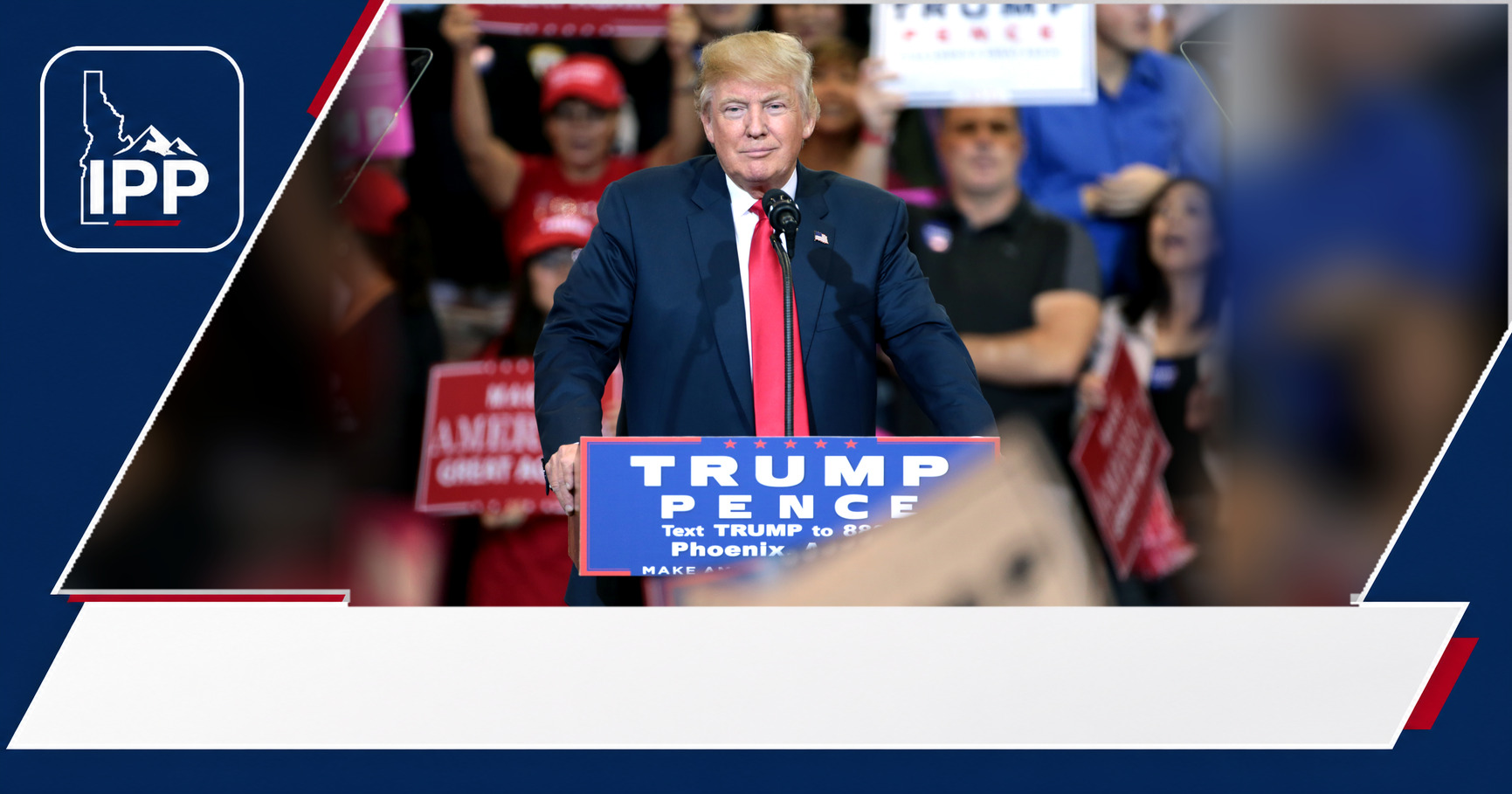
Iran appears to be testing whether Donald Trump’s desire for a deal can be turned into leverage. The immediate question is not simply whether an agreement is reached, but what Tehran may demand in return and how any deal would be enforced.
Iran appears to have figured out Donald Trump’s negotiating or strategic approach and is using that insight to increase its leverage and demands in the Middle East. The price of an agreement has increased, according to reporting and public signals around a still-unreleased U.S.-Iran understanding.
That does not mean Tehran has outmaneuvered Trump or that a durable deal is certain. It means both sides may be treating the prospect of a deal as a bargaining tool, with sanctions relief, nuclear limits and access through the Strait of Hormuz all potentially carrying a higher political and economic cost.
Tehran’s leverage calculation
The Wall Street Journal reported that Iranian leaders believe they are in a stronger position and are seeking a steep price to end the conflict. Its account said Tehran sees an opportunity to influence Middle East energy flows while betting it can outlast Trump’s willingness to sustain pressure.

That is the core of the “tell” argument: Iran may have concluded that Trump wants a recognizable, public success quickly enough that he will accept difficult trade-offs to get there. Trump has long presented dealmaking as a central measure of leadership, which makes any breakthrough with Iran politically valuable but also makes the terms unusually important.
Iran’s calculation is risky. Holding out for more can bring leverage if the other side is eager to close, but it can also invite more economic pressure or military escalation if Washington decides Tehran is overplaying its hand.
A deal with few public terms
The Associated Press reported that the White House circulated talking points claiming major gains from an initial Iran agreement, including a commitment that Iran would never obtain a nuclear weapon and the reopening of the Strait of Hormuz. Yet AP also reported that the memorandum of understanding expected to be signed in Switzerland had not been made public and that negotiations over Tehran’s nuclear program still lay ahead.
That gap is not a technicality. A broad announcement can create an impression of resolution while leaving the most consequential questions unanswered: what Iran must do, what the United States will provide, who verifies compliance and what happens if either side claims the other has violated the arrangement.
Trump said at the Group of Seven summit in France that he wanted a formal setting before releasing the agreement’s terms and said he would make them public. Until that happens, assertions of victory from any side deserve caution.
Hormuz makes the pressure global
The Strait of Hormuz is central to Iran’s leverage because it is a major route for global oil shipments. AP noted that roughly a fifth of the world’s oil passed through the waterway before the war and that disruption to shipping helped push up consumer prices after fighting began.
Reopening the strait would matter to drivers, manufacturers and households far beyond Iran and the United States. But restoring normal traffic is not the same as restoring confidence. Shipping companies, insurers and commodity markets will look for sustained evidence that vessels can move safely before treating a reopening as a full return to normal.
Iran has insisted that it will retain control over access to the waterway, AP reported. That position turns maritime access into more than a ceasefire issue; it becomes a continuing source of negotiating power and a potential point of friction after any initial agreement.
Sanctions are the hardest currency
For Tehran, sanctions relief is likely to be among the most valuable outcomes of any broader settlement. The White House talking points described financial incentives as conditional on Iranian compliance, according to AP, while also arguing that no U.S. taxpayer money would be provided.
The politics of sanctions relief are especially charged because they are easy to describe in simple terms and hard to execute simply. Iran may seek meaningful access to its own funds, broader commercial relief or assurances that future U.S. policy will not reverse course. Washington, meanwhile, will want measurable nuclear and security commitments before offering concessions that could be difficult to reimpose.
The debate also carries baggage from the 2015 Joint Comprehensive Plan of Action. Trump left that Obama-era nuclear accord during his first administration, and critics of a new agreement will inevitably ask whether its restrictions are stronger, its verification clearer and its enforcement more credible than the previous framework.
Claims of success face scrutiny
Supporters of a rapid agreement can make a straightforward case: if it reduces the risk of a nuclear-armed Iran, limits conflict and helps stabilize energy markets, a negotiated outcome is preferable to open-ended war. They may also argue that diplomacy often requires private bargaining before public disclosure.
Skeptics have an equally direct concern. An agreement that is announced before its terms are known can make it harder for Congress, U.S. allies and the public to judge whether Trump secured lasting limits or merely deferred another confrontation. AP reported that some Republican lawmakers and aides were frustrated by the lack of detail.
There is also a practical issue. Under U.S. law enacted after the 2015 accord, an eventual nuclear agreement with Iran is subject to congressional review. Trump has said he is open to sending an agreement to Congress, but the precise status of a preliminary memorandum and the final package remain unclear.
The real test comes after signing
The first measure of any agreement will be whether it changes conditions on the ground: safer transit through Hormuz, fewer attacks, more predictable energy supplies and verifiable limits on Iran’s nuclear activity. AP cited International Atomic Energy Agency figures showing Iran possessed 440.9 kilograms, or 972 pounds, of uranium enriched to 60% purity, close to the 90% level generally considered weapons grade.
The second test is political durability. Iran may believe it has identified Trump’s pressure point, while Trump may believe Iran needs sanctions relief badly enough to make binding concessions. Both assessments can be partly true, and that is why the bargaining is so fragile.
For now, the most important fact is the missing text. Until the U.S. and Iran disclose what each side has promised, the apparent rise in the price of a deal is an informed assessment of the leverage contest—not proof that either side has won it.


Leave a Reply