
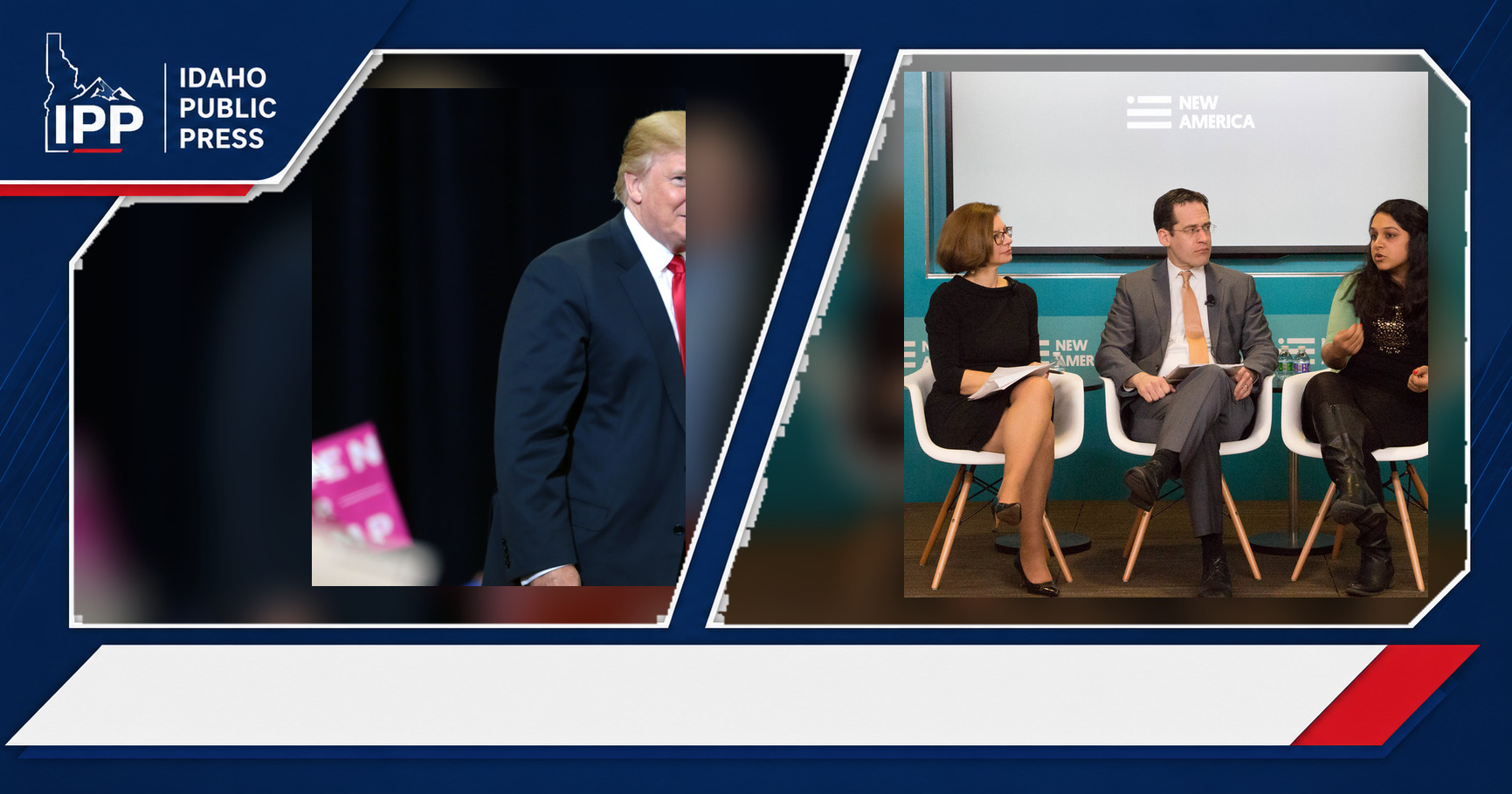
The fatal collision of an American Airlines jet and an Army Black Hawk near Washington raised urgent questions about airspace safety. It also turned the Trump administration’s response into part of the story before investigators had established a cause.
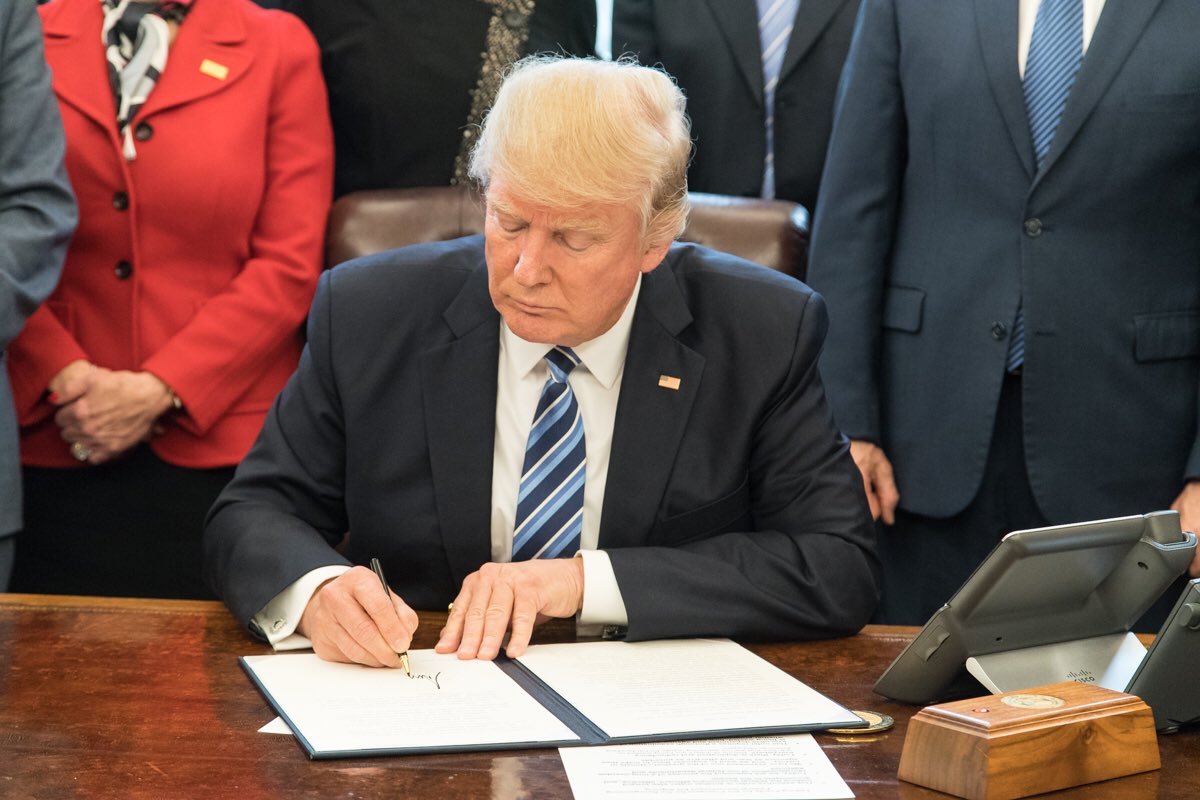
The Trump administration faces scrutiny after the Jan. 29, 2025, plane and Army helicopter crash near Washington, D.C., that killed all 67 people aboard the two aircraft. The cause of the crash remains unclear, yet the political fight surrounding the crash began almost immediately as President Donald Trump offered competing explanations before investigators had reached conclusions.
The collision between an American Airlines regional jet arriving from Wichita, Kansas, and an Army Black Hawk near Ronald Reagan National Airport put a military training flight, air traffic control and federal aviation policy under intense focus. The administration is under pressure not simply to promise changes, but to distinguish verified evidence from political claims.
A catastrophe with unanswered questions
The American Airlines flight was approaching Reagan National on the evening of Jan. 29 when it collided with the helicopter, which was conducting a training exercise. No one survived.

The crash was the deadliest U.S. aviation disaster since 2001. Its scale intensified the demand for quick answers, but early findings made clear that a reliable explanation would take time.
Investigators initially focused on the altitude and paths of both aircraft. According to reporting by PBS NewsHour, the jet’s flight recorder placed it at about 325 feet, with a margin of error, while airport-system data suggested the Black Hawk may have been flying above its 200-foot ceiling for that route.
Those preliminary data points were important, but they did not settle responsibility. Investigators still needed to examine physical wreckage and reconcile radar, flight-recorder and communications information.
Trump’s explanations shifted quickly
In the crash’s immediate aftermath, Trump blamed federal diversity hiring initiatives, though Reuters reported there was no evidence linking those policies to the collision. That assertion drew sharp criticism because the investigation had only begun.
Days later, Trump pointed instead to what he described as an obsolete air traffic control computer system. Speaking at the National Prayer Breakfast, he said the tragedy exposed the need for a modernized system at the nation’s control towers.
There is a legitimate policy question inside that argument. U.S. aviation infrastructure has long faced modernization challenges, and safety officials had already raised concerns about staffing pressures and close calls at airports.
But an aging system is not, by itself, a confirmed cause of this crash. The difference matters: a president can argue for upgrades while investigators continue their work, but an unproven explanation should not be treated as a finding.
The controller alert complicates the debate
One detail reported after the crash complicates the claim that controllers had no warning. An FAA report said the controller received an alert that the aircraft were converging while they were more than a mile apart.
The controller then asked the helicopter crew whether it had the arriving plane in sight and instructed it to pass behind the jet. The helicopter crew replied that it did have the plane in sight, according to the account cited by PBS NewsHour.
That sequence does not answer every question. It does show why investigators must examine the exact wording of communications, the aircrafts’ true positions and altitudes, visibility, cockpit decision-making and the controller’s workload.
It also illustrates the danger of reducing an aviation disaster to one talking point. A collision can involve multiple layers: procedures, technology, human judgment, training, staffing and the design of the airspace itself.
Staffing became a second flashpoint
The crash arrived as the Trump administration was pursuing broad reductions in the federal workforce. That timing fueled concern that efforts to shrink government could worsen already difficult recruitment and retention problems in air traffic control.
Federal officials had warned for years that air traffic control staffing was under strain. Long shifts, demanding training requirements, mandatory retirement rules and pay concerns have all been cited as barriers to maintaining the workforce.
Air traffic controllers were later told that certain FAA positions, including theirs, were exempt from the administration’s deferred-resignation offer. The National Air Traffic Controllers Association said other jobs could also be excluded because of national-security or public-safety responsibilities.
Supporters of the administration can reasonably argue that system modernization and management reform are overdue. Critics counter that safety-critical agencies should not be subjected to uncertainty about staffing or resources while the nation is examining a major aviation failure.
Why the political fight matters
The argument over this crash is consequential because aviation investigations depend on public confidence. Families of victims, pilots, controllers and travelers need a process that follows evidence rather than a search for the most useful political explanation.
Trump’s focus on a new control system could develop into a broader policy push. Yet modernization carries difficult questions about funding, contracting, training and whether technology changes would address the risks identified by investigators.
The scrutiny of the Trump administration is therefore about more than a single presidential statement. It concerns whether federal leaders will protect the independence of the safety investigation, accurately describe preliminary evidence and match any promises of reform with sustained investment.
What remains unresolved
The collision’s cause had not been established in the early reporting. The National Transportation Safety Board’s eventual findings, rather than political messaging from either side, are what can determine the chain of events and recommend safeguards.
Until then, the most defensible conclusion is also the least satisfying: serious warning signs around U.S. airspace and staffing deserve attention, but the evidence available immediately after the crash did not support assigning a single cause.
That is why this became a fight worth watching. The administration’s response will be judged not only on whether it calls for change, but on whether it allows the facts of a devastating crash to lead the debate.


Leave a Reply