
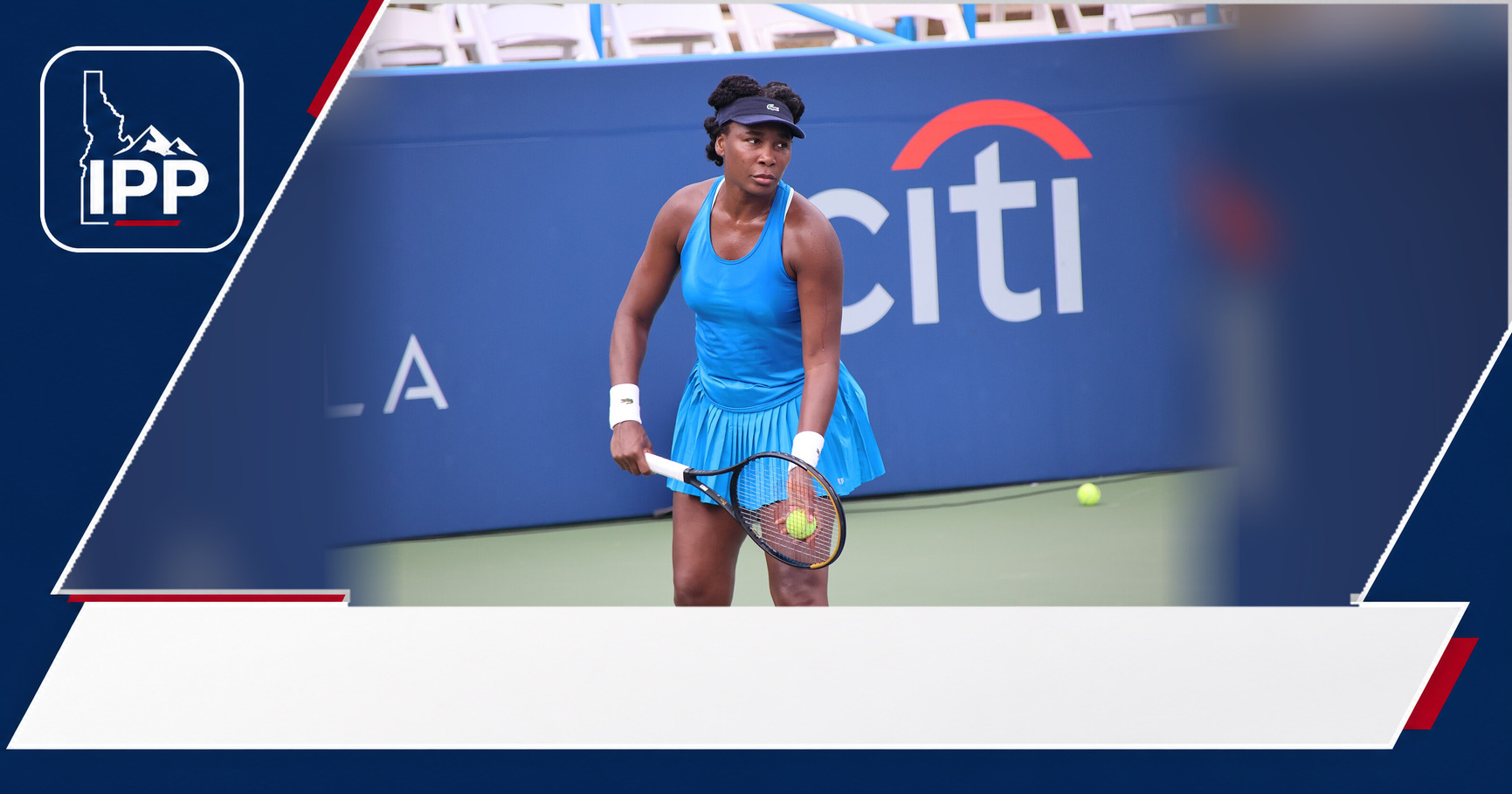
The actor and singer is framing her next chapter around work, friendship and personal freedom rather than a search for romantic love. Her outlook offers a more expansive view of what life after divorce can look like.
Vanessa Williams embraced a sense of freedom after her quiet divorce from Jim Skrip, which the pair reportedly ended amicably in 2021. Williams is now focusing on loving life rather than making romantic love a priority, describing a post-divorce outlook built around doing work she loves, appreciating beauty and spending time with good people.
For a public figure whose personal life has often been treated as a celebrity storyline, the point of Williams’ comments is notably simple: a marriage ending does not have to turn into a public feud, a rushed new relationship or a diminished life.
Freedom, not a romantic deadline
Williams’ message is not that love has no value. It is that she no longer sees romantic love as the central project of her life.

In material highlighted by BBC Sounds for Rylan’s How to Be in Love, Williams discusses what she learned through three marriages and three divorces, and why she is celebrating her freedom. The BBC’s description says she is no longer making love her priority.
That distinction matters. Celebrity culture often treats singlehood after a separation as an interim period, followed by speculation about who someone may date next. Williams’ framing pushes back on that script. Her attention is on the life already in front of her rather than on filling a perceived gap.
“I’m doing what I love, and I’m in love with life,” Williams said in comments reported by 106.7 WTLC. It is a compact phrase, but it reframes post-divorce happiness as engagement with work, friendships and daily experience—not simply the arrival of another partner.
Her divorce stayed largely private
Williams and Skrip quietly and amicably divorced in 2021, according to reporting about her recent reflections. The low-key nature of that change is part of why her comments have resonated: there was no highly publicized courtroom fight or extended cycle of public accusations attached to the account available here.
Privacy does not mean a divorce is painless, and Williams has not presented it as effortless. The BBC episode description specifically places her conversation in the context of marriage breakdown changing how a person views love.
Still, an amicable separation can make room for a different kind of public narrative. Instead of defining the moment through conflict, Williams has emphasized growth, gratitude and the ability to keep moving through life with respect for people from earlier chapters.
That should not be read as a universal template. Every divorce has its own emotional, financial and family realities. Williams is speaking from her experience, not offering a rule for how anyone else should handle a marriage ending.
What Williams says she values now
The post-divorce life Williams describes is active rather than withdrawn. Reporting on her comments says she is centering the moments she can enjoy now: meaningful work, beautiful surroundings, strong company and opportunities that feel worthwhile.
Those priorities may sound ordinary, but they run counter to the idea that a fulfilled life must be organized around couplehood. Williams’ point is less about declaring independence from other people than choosing not to treat romance as the only source of purpose.
- Work she enjoys: Williams has said she is doing what she loves.
- Connection without pressure: She has spoken positively about being around great people.
- Appreciation for the present: Her focus is on embracing moments and opportunities rather than chasing a prescribed next step.
- Personal freedom: The freedom she describes is emotional as well as practical—the room to define happiness on her own terms.
For readers who have watched public figures announce relationships, breakups and reconciliations in rapid succession, that measured approach may be the more surprising part of the story.
A view shaped by three marriages
Williams’ comments carry weight because this is not her first experience of divorce. The BBC describes her conversation with host Rylan as one about lessons learned from three husbands and three divorces.
There is a temptation to reduce that history to a scorecard. Williams’ outlook suggests a different reading: relationships can be deeply meaningful while still ending, and an ending does not erase what someone learned or enjoyed along the way.
That is also why the word freedom matters in this context. It does not necessarily mean rejecting intimacy or declaring permanent solitude. It can mean having the autonomy to decide what gets priority now, without treating a new romance as proof that a person has recovered.
Williams’ perspective also leaves room for complexity. A person can value love, remember former relationships with warmth and still decide that their energy belongs elsewhere for a time—or indefinitely.
Amicability has its limits too
The idea of an amicable divorce is appealing, especially in celebrity coverage that tends to reward conflict. But it should not be romanticized. Respectful endings often require privacy, clear boundaries and practical work that outsiders do not see.
Williams’ public comments indicate goodwill rather than a detailed account of every part of her divorce from Skrip. The available reports offer limited information about the private terms of the separation, and there is no reason to assume that a calm public presentation tells the full emotional story.
What can be said is that Williams has chosen to speak about the aftermath in forward-looking terms. Her emphasis is not on revisiting blame. It is on recognizing that a major life transition can coexist with professional momentum, friendship and joy.
Why her outlook lands now
Williams’ comments arrive in a culture that often turns relationship status into a running public referendum. The expectation is familiar: after divorce, explain what went wrong, demonstrate resilience and eventually unveil a new love story.
She is offering a quieter alternative. There may be no dramatic reveal because that is not the point. The point is that contentment can be found in a full life, whether or not romance sits at its center.
That makes her perspective broader than a celebrity-divorce update. Williams is not presenting herself as someone waiting for the next chapter to begin. By her own account, it is already underway—shaped by freedom, work she values and a decision to be in love with life itself.








Leave a Reply