

Goldman Sachs’ growing footprint beyond New York has become part of a political argument over costs, taxes and Wall Street jobs. The available reporting, however, does not establish a specific Mamdani statement or a Goldman Sachs move to Florida.
Zohran Mamdani was linked in a published headline to Goldman Sachs shifting jobs to Texas and Florida, with the framing that Mamdani had responded to the move. Goldman Sachs is expanding in Texas, including a large Dallas campus planned for more than 5,000 employees, but the available source material does not identify a direct Mamdani response or document a specific Goldman Sachs job shift to Florida.
That distinction matters because Wall Street employment is central to New York City’s economy and tax base. A Dallas expansion can be real without amounting to a corporate exit from New York, and a political argument about Mamdani’s policies needs more than a broad relocation narrative to establish cause and effect.
What the available report actually says
The source material behind the claim places Goldman Sachs within a wider discussion of financial companies adding jobs outside New York. Its clearest factual detail is the firm’s Dallas campus, which Goldman Sachs says is intended to accommodate more than 5,000 employees.
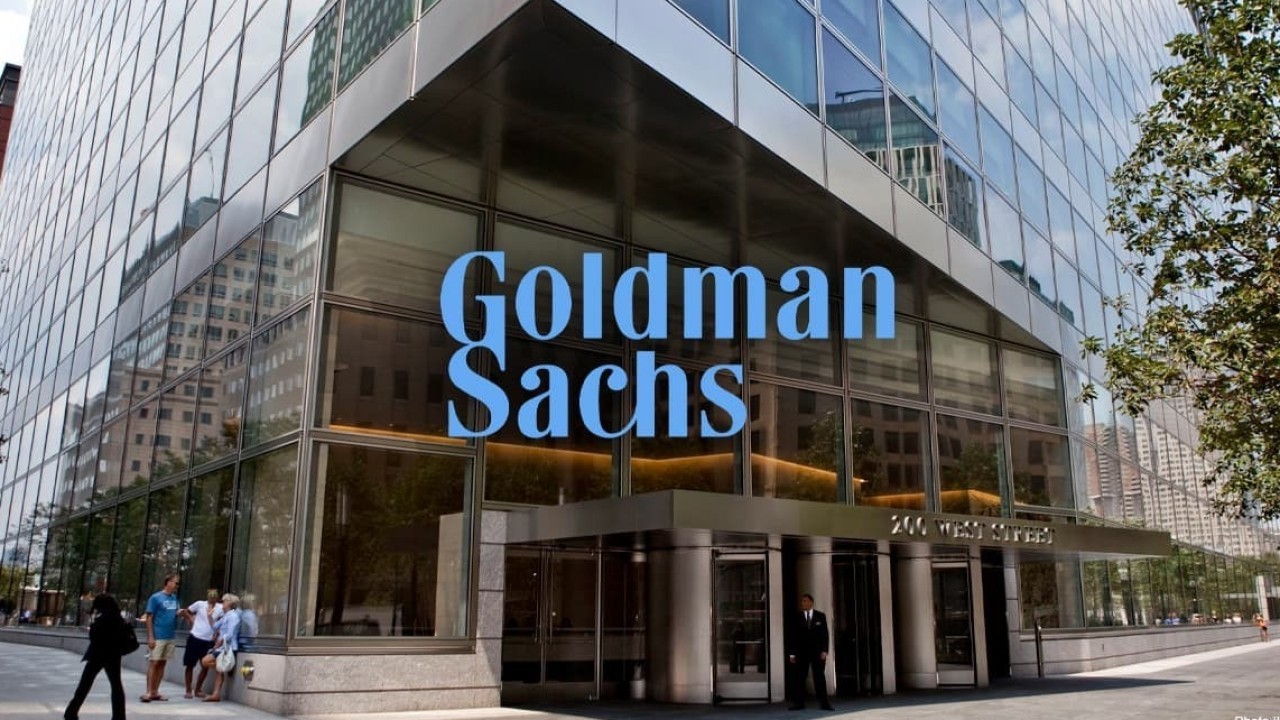
Dallas is not a new outpost for the bank. Goldman Sachs has had a presence there for years, and the campus is part of a longer-term expansion in a region that has attracted banks, investment firms and corporate headquarters.
The same material says Goldman Sachs maintains major North American offices beyond New York, including Salt Lake City. It describes a multi-city workforce strategy, not a confirmed transfer of a defined number of jobs out of Manhattan.
Crucially, the material supplied does not provide a figure for jobs moved from New York, a timetable for any transfers, or a Goldman Sachs statement saying that jobs are being relocated to Florida. It also does not quote Mamdani or identify a public statement from him addressing Goldman Sachs’ plans.
Dallas growth is not an exit
Corporate expansions are often described in shorthand as moves, even when the company is adding capacity rather than closing offices elsewhere. That difference is especially important in banking, where firms commonly distribute technology, operations, compliance, trading support and other functions across several cities.
Goldman Sachs remains headquartered in New York. New York also retains the dense network of clients, markets, professional services, regulators and specialized talent that makes it unusually valuable to global finance.
A growing Dallas operation can reflect lower real-estate costs, a deepening local labor pool and operational diversification. It does not by itself show that Goldman Sachs has concluded New York is no longer competitive, or that a particular city policy caused a job loss.
There is a legitimate reason New Yorkers watch these announcements closely. Financial-sector earnings and employment have an outsized effect on city and state revenue, so even incremental changes in where well-paid jobs are created can shape the public debate.
Why Mamdani is in the argument
Mamdani, New York City’s mayor, has become a prominent figure in arguments about affordability, public services and the tax burden on corporations and high-income residents. Supporters of his approach argue that stronger public investment and better affordability can make the city more livable for workers and more durable over time.
Critics counter that higher business costs or tax increases could make it easier for employers to build elsewhere. Texas is frequently cited in that argument because it has no state personal income tax and has actively promoted itself as a destination for major employers.
Neither position can be settled by a single campus project. Companies make location decisions based on a mix of labor needs, office space, executive preferences, client proximity, regulation, infrastructure and the ability to spread operational risk across regions.
The available reporting makes Mamdani part of that larger policy conversation, but it does not establish that he personally responded to Goldman Sachs’ expansion. It also does not show that any policy associated with him prompted the bank’s plans.
Florida claim needs supporting evidence
Florida, particularly Miami, has spent years courting finance companies and wealthy investors. Its tax structure, climate and growing professional-services ecosystem have made it a recurring point of comparison with New York.
Still, a general trend toward financial activity in Florida is not evidence that Goldman Sachs is shifting jobs there. The material reviewed for this article contains no named Goldman Sachs Florida office project, employee count, announcement date or account of positions relocating to the state.
That missing detail changes how the headline should be read. It may capture a broader argument about financial jobs dispersing to lower-cost or lower-tax states, but it should not be treated as confirmation of a particular Goldman Sachs move to Florida.
Precision matters in this debate because different outcomes have different consequences. Opening a regional office, hiring locally, moving back-office roles, reducing a New York team and relocating a headquarters are not interchangeable events.
New York still holds powerful advantages
New York faces real competition from Dallas, Miami, Salt Lake City and other cities. Remote and hybrid work have made it easier for large employers to spread teams across markets, while high rents and taxes remain persistent concerns for companies and employees.
Yet New York’s financial ecosystem has proved resilient. Wall Street’s major banks, exchanges, law firms, investors and institutional clients remain concentrated in the city, giving firms a reason to keep substantial operations close to one another.
The strongest reading of Goldman Sachs’ Dallas investment is that it reflects a national diversification strategy. That is a meaningful competitive challenge for New York, but it is different from evidence of an abandonment of the city.
For policymakers, the issue is broader than winning one corporate announcement. It is whether housing, transit, public safety, workforce training, taxes and quality of life create conditions in which companies want to keep adding jobs in New York.
The facts still to be established
The public discussion would be clearer with direct answers from the parties involved. Goldman Sachs could specify whether the Dallas campus represents net new hiring, transfers from other offices or both, and whether it has announced any comparable Florida expansion.
Mamdani’s office could clarify whether he made a statement about Goldman Sachs’ workforce decisions and, if so, what he said. Without those details, claims about his response should be treated cautiously.
The larger tension is real: New York needs to protect the advantages that make it a global financial center while addressing costs that push workers and businesses to consider alternatives. But the evidence currently available supports a Dallas expansion, not a documented Goldman Sachs shift to Florida or a confirmed Mamdani response.











Leave a Reply