
A dispute over who belongs at a September 11 remembrance has put grief, politics and the limits of public protest in direct conflict. The memorial’s established rules may determine more than the petition does.
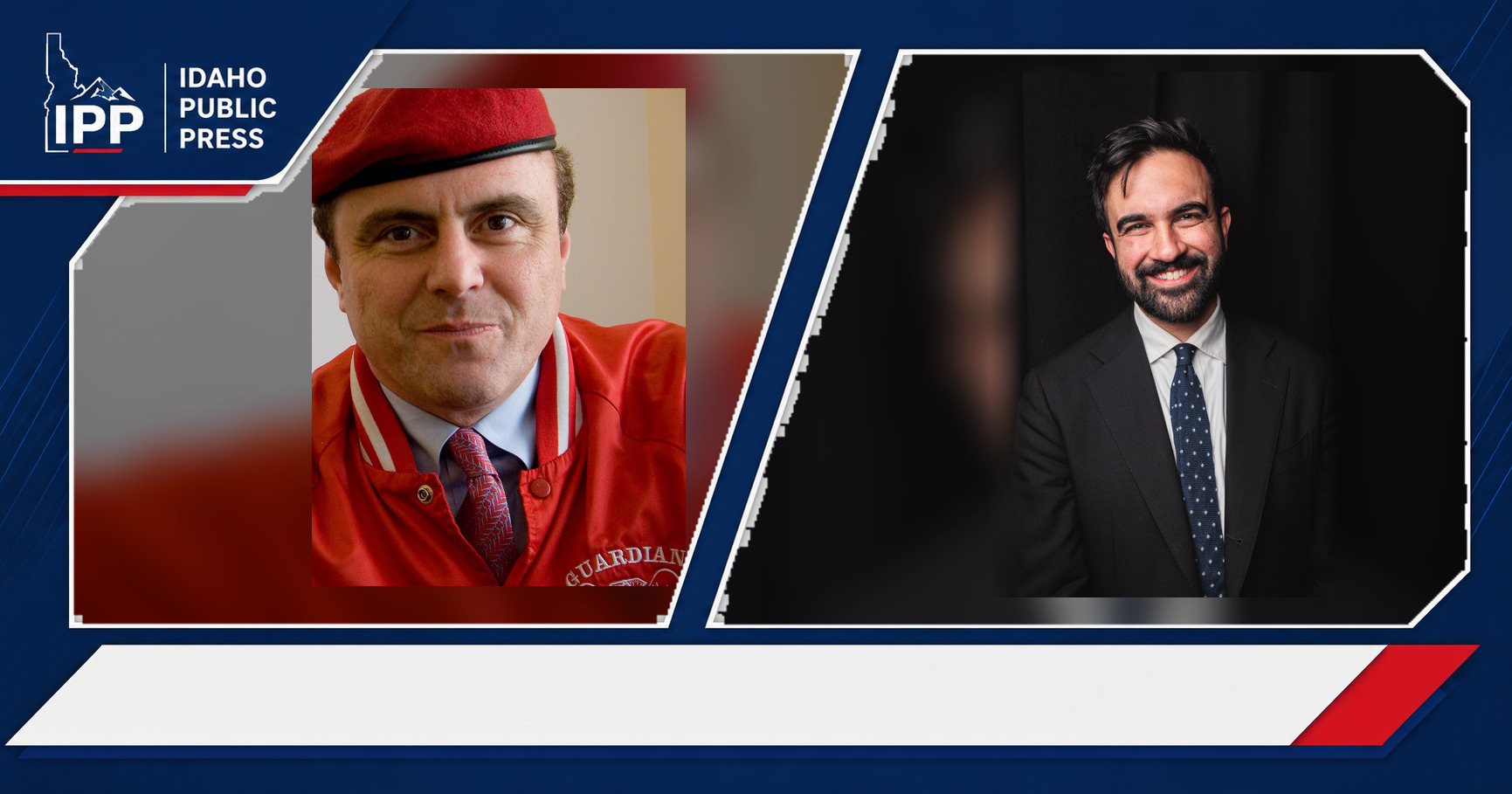
Curtis Sliwa criticized 9/11 families who are demanding that New York City Mayor Zohran Mamdani stay away from the September 11 ceremony, calling them “sore losers,” according to the source headline. The dispute is over Mamdani’s planned attendance at the city’s 25th-anniversary 9/11 commemoration.
Some relatives of people killed in the 2001 attacks support a petition asking the National September 11 Memorial & Museum to exclude Mamdani. More than 65,000 people had signed by Aug. 1, according to USA TODAY, but the mayor has said he will attend to honor families, survivors and first responders.
A memorial attendance dispute
The petition is not a request for a policy change or a campaign event. It focuses on whether Mamdani should be present at an annual ceremony built around reading the names of those killed in the attacks and honoring the people directly affected.

Giovanni Galante, a 9/11 widower whose wife Grace Catherine Galante was working on the 105th floor of the North Tower, helped launch the petition. It was also launched with a woman who lost her husband in the attacks, USA TODAY reported.
The petition argues that the anniversary should stay focused on mourning, unity and a rejection of the violence and extremism behind the attacks. Supporters contend that Mamdani’s public positions, associations and statements make his attendance incompatible with that purpose.
That argument has turned a customary appearance by a city leader into a test of who gets to define the boundaries of a public remembrance that is, for many participants, profoundly private.
Sliwa’s rebuke raises the temperature
Sliwa’s “Stop being sore losers!” response, as described in the source headline, adds an openly confrontational voice to an argument already shaped by immense personal loss. It frames the petition not as a plea for sensitivity but as a political reaction to Mamdani.
That framing will likely offend petition supporters, many of whom say their objections come from their experience as spouses, siblings and relatives of people killed on September 11. Their stated concern is that the ceremony could be pulled away from remembrance and toward a fight over the mayor.
But the counterargument is that excluding an elected mayor could itself make the memorial more political. A public official’s attendance does not necessarily equal endorsement, and previous city and state leaders have appeared at commemorations despite criticism from survivors and family members.
The sharpest divide, then, is not over whether the day should be solemn. Both sides say it should. The disagreement is over whether Mamdani’s presence would disrupt that solemnity or whether barring him would create a different kind of disruption.
Not all relatives agree
The petition has substantial support, but it does not speak for every survivor or every family affected by the attacks. USA TODAY reported that Jennifer Glass, a 9/11 survivor, said she did not object to Mamdani attending as long as he did not speak or directly interact with families.
Dennis McKeon, who organizes a Staten Island group for 9/11 survivors, made a related point to CBS New York. He noted that mayors and governors have attended memorial events in the past even when their records on 9/11-related matters drew criticism.
Those views reflect an important distinction: attendance and participation are not the same thing. A ceremony can allow public officials to bear witness while limiting their role so that the focus stays on the names, families, survivors and first responders.
For relatives who want Mamdani excluded, that separation may not go far enough. For others, it is the practical compromise that respects the ceremonial role of the office without allowing officials to dominate the day.
The ceremony’s rules matter
The National September 11 Memorial & Museum has said its annual commemoration is intentionally free of politics. According to CBS New York, officials across the political spectrum attend, do not deliver remarks and remain in a designated area during the ceremony.
That protocol is significant because it suggests the petition’s demand may run against a long-standing approach rather than a decision tailored to one mayor. The event’s structure appears designed to acknowledge civic leaders without making them its central figures.
Mamdani said he plans to attend. In a statement reported by CBS New York, he said he would “proudly honor” families, survivors and first responders affected by the terror attack by standing alongside them at the commemoration.
There is no indication in the available reporting that Mamdani is scheduled to speak. The distinction matters: the objection described by petition supporters is to his presence, while the memorial’s policy limits how officials participate once they are there.
Why the petition has resonance
September 11 memorial events carry a different emotional weight from ordinary civic ceremonies. For participants such as Meryl Mayo-Marshall, whose husband Robert J. Mayo died after staying behind at the World Trade Center to help people evacuate, the anniversary is inseparable from individual loss.
Lori Schertzer Brody, whose brother Scott Schertzer was killed in the attacks, told a USA TODAY network partner that Mamdani should stay home. Such statements explain why supporters reject suggestions that the issue is merely partisan disappointment.
At the same time, the petition’s more than 65,000 signatures do not establish that all signers are victims’ relatives, survivors or New Yorkers. It shows broad support for the request, but not a unified view among the community most directly connected to the ceremony.
The competing claims illustrate the difficulty of treating any large group of bereaved families as a single political bloc. Their shared loss does not produce identical views about public officials, protocol or the best way to protect the day’s meaning.
What remains unresolved before September 11
The immediate question is whether organizers will alter their usual practice in response to the petition. Based on the available reporting, Mamdani still intends to attend and the memorial has emphasized its established nonpolitical format.
There is also no clear public resolution to the underlying concern voiced by petition supporters: whether a designated, non-speaking role is enough to prevent the mayor’s presence from becoming a focal point. Sliwa’s rebuke makes a compromise harder to discuss because it challenges the motives of people who say they are mourning loved ones.
The most durable measure of the ceremony will be whether it keeps attention where organizers say it belongs: on those killed, the survivors, the first responders and the families whose lives were permanently changed on September 11, 2001.
That goal is shared more broadly than the current argument suggests. The unresolved issue is whether New York City can preserve it while making room for an elected mayor whose attendance has become part of the story.




Leave a Reply