

The petition cannot itself remove Pete Hoekstra from his post, but its rapid growth signals how deeply rhetoric about Canada becoming a “51st state” has strained a key diplomatic relationship. The dispute is unfolding as Ottawa and Washington navigate high-stakes trade talks.
Pete Hoekstra, the U.S. ambassador to Canada, is facing a highly visible backlash in Ottawa after more than 70,000 Canadians signed a petition calling for his expulsion. The petition accuses Hoekstra of interfering in Canadian political discourse and of normalizing Donald Trump administration threats to annex Canada as a “51st state,” turning the ambassador into a focal point of a wider diplomatic controversy.
The U.S. Embassy in Canada told the BBC it was aware of the petition but declined further comment. The campaign does not automatically remove Hoekstra, but its scale matters as Canada and the United States negotiate under renewed pressure over tariffs, trade and national sovereignty.
A petition aimed at Hoekstra
The online petition asks that Hoekstra be formally removed from his role and that a parliamentary committee examine what it calls U.S. diplomatic interference in Canadian domestic affairs. It was launched by Leanne Walker of Calgary and has gained far more support than the minimum required to be presented to Canada’s House of Commons.
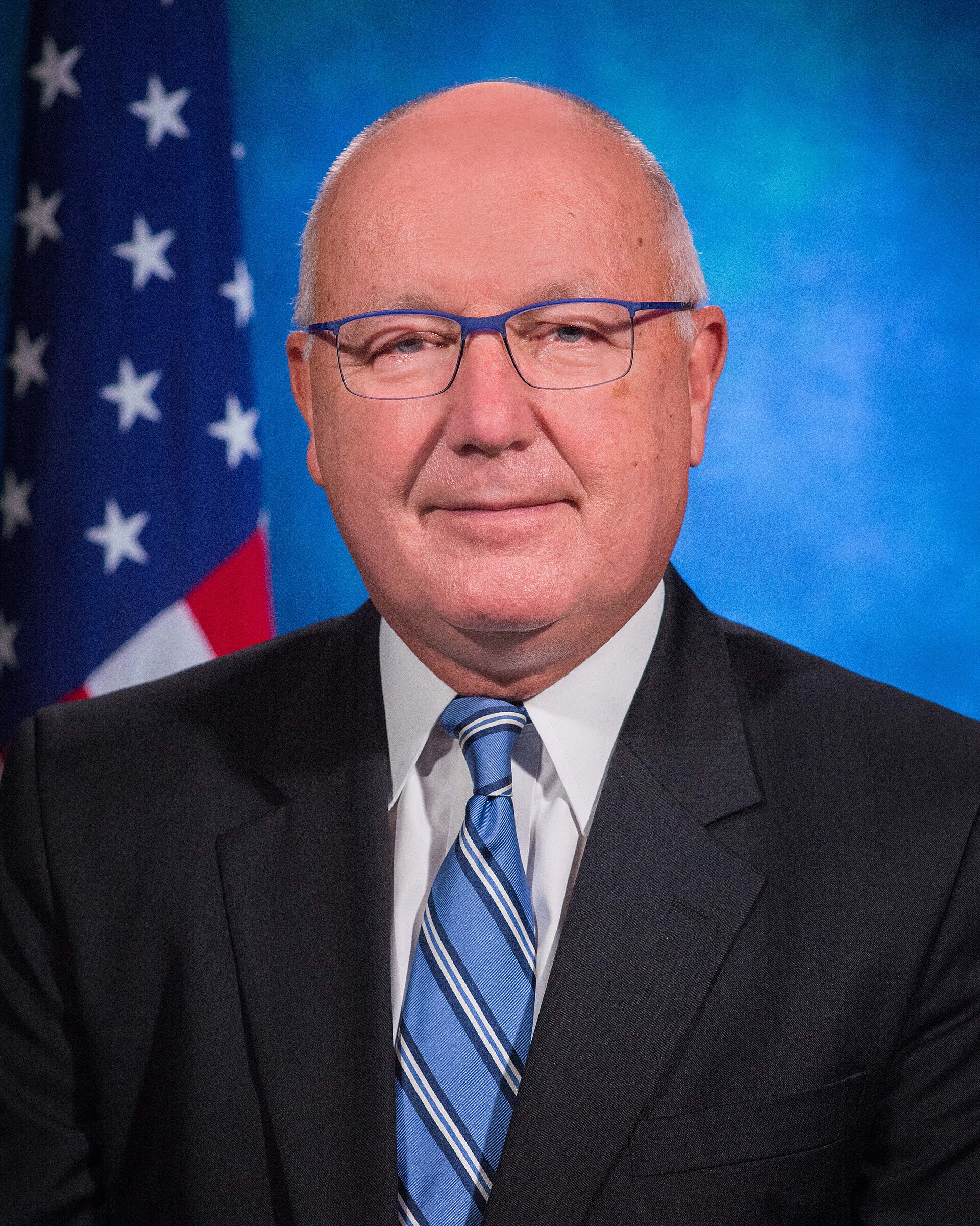
Walker told CBC News that the response exceeded her expectations. She said the number of signatures suggested discomfort was not confined to a small political fringe, particularly among Canadians who believe Hoekstra has echoed Trump’s views about Canada’s sovereignty.
The petition’s language is unusually direct for a dispute involving two close allies. Its organizers contend that an ambassador should represent U.S. interests without weighing in in ways that Canadians see as influencing their internal political debates.
Why “51st state” rhetoric stings
The strongest criticism centers on repeated discussion of Canada becoming part of the United States. Trump’s remarks about Canada as a potential 51st state have been treated by many Canadians as provocative rather than playful, especially during disputes over trade and tariffs.
According to the BBC, Hoekstra has faced criticism for reposting Trump’s comments and for saying the subject would be a “great discussion” for the two countries’ leaders. Petition supporters say that posture minimizes a serious concern about Canadian independence.
There is a competing view: Hoekstra, a Republican and Trump ally, has defended the administration’s trade approach as necessary for U.S. security and prosperity. He has also described the U.S.-Canada relationship as critical. From that perspective, he is advancing the position of the president he represents, not setting an independent foreign-policy agenda.
That distinction has done little to quiet the anger. In diplomacy, a message can be formally official and still create political costs when it collides with a neighboring country’s sense of national identity.
Trade talks raise the temperature
The petition has grown during a tense period in bilateral economic relations. Canada and the United States are engaged in trade discussions as new U.S. tariffs loom over Canadian goods, giving every public dispute added weight.
The BBC reported that Washington was preparing a 50% tariff on roughly $20 billion to $28 billion in Canadian goods. Trump described the proposed action as a response to what he called unequal treatment of U.S. cars, dairy and alcohol. Canadian Prime Minister Mark Carney said further retaliation could be considered if the tariffs were imposed.
That backdrop helps explain why the ambassador has become such a prominent target. Many Canadians see trade threats and annexation talk not as separate episodes, but as parts of a broader pressure campaign from Washington.
Hoekstra has also voiced frustration with Canadian provinces that removed U.S. alcohol from store shelves, a retaliatory measure that became a symbol of the trade fight. To critics, those exchanges make the ambassador look like an active participant in Canada’s political arguments rather than a conventional diplomatic bridge.
Other disputes fueled the backlash
The petition did not emerge from a single comment. Hoekstra has already clashed publicly with Ontario’s trade representative and drawn criticism over his handling of political rhetoric in Canada.
He also faced criticism after inviting a leader associated with the 2022 Freedom Convoy movement to an official Fourth of July event, according to the BBC. The convoy, which protested COVID-era public-health restrictions and occupied areas of central Ottawa, remains a deeply divisive symbol in Canadian politics.
The petition additionally cites concern over meetings in Washington involving U.S. State Department officials and Albertans who favor separating the province from Canada. Those contacts have heightened suspicion among critics who believe U.S. officials should avoid even the appearance of engaging with movements that challenge Canada’s territorial unity.
Supporters of Hoekstra could argue that ambassadors routinely meet politicians, business leaders and civil-society figures across a range of views. The unresolved issue is whether the total pattern of statements, invitations and meetings crosses the line from normal representation into inappropriate political intervention.
What Parliament can—and cannot—do
The petition’s large signature count is politically meaningful, but it does not give Canada’s Parliament the power to dismiss a U.S. ambassador. Hoekstra serves at the pleasure of the U.S. president, and a formal removal would be a decision for Washington or, in an extreme diplomatic rupture, a matter of Canadian government action.
Canada’s petition system does require a government response once a valid petition receives at least 500 signatures and is presented in the House of Commons. Green Party leader Elizabeth May is expected to sponsor this petition later this year. Her office told the BBC that members of Parliament have an obligation to present citizen petitions regardless of whether they personally support the requested action.
That process will put the issue into the official parliamentary record. It may generate debate and force a written response, but it does not compel either Ottawa or Washington to act on the demand for Hoekstra’s removal.
A test for a strained alliance
The immediate outcome is clear: the petition has given public form to a sharp frustration with Hoekstra’s tenure and with Trump-era rhetoric about Canada. The larger outcome remains uncertain.
Canada and the United States have extensive economic, security and family ties that make a lasting rupture unlikely. Yet close alliances often make perceived disrespect more consequential, not less. Canadians expect their closest partner to understand the sensitivities that come with sovereignty, particularly when trade negotiations are already contentious.
For now, the embassy’s decision not to offer a detailed public response leaves the criticism unanswered. Whether the dispute fades or becomes a lasting problem for Hoekstra may depend less on the petition itself than on what Washington says—and does—next.









Leave a Reply