
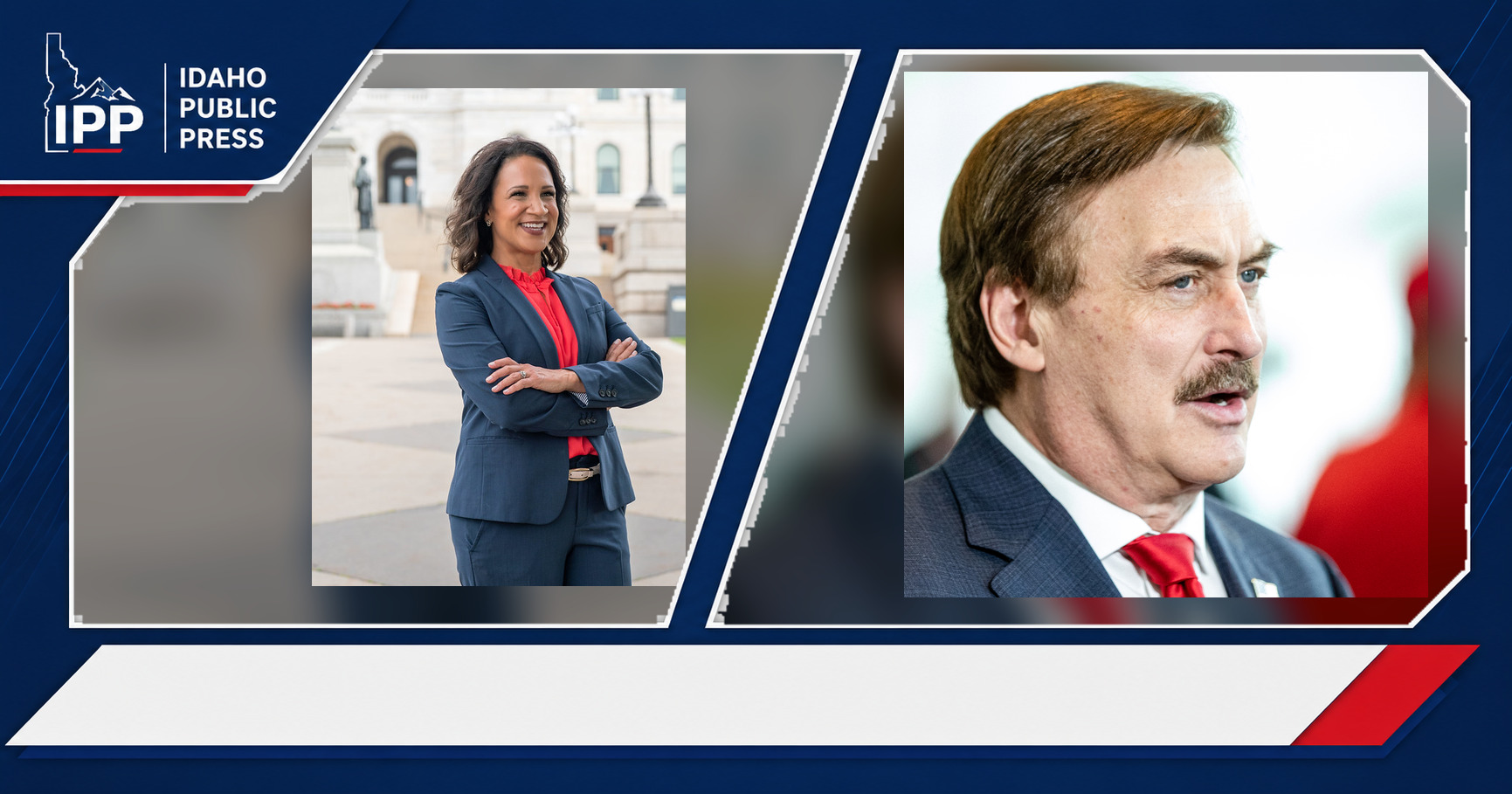
The contest ended with Lisa Demuth leading Mike Lindell by more than 11 points in the reported vote count. Lindell’s response keeps attention on a familiar question in Republican politics: what happens when a high-profile candidate challenges a result without presenting evidence of a problem?
Mike Lindell, the founder of MyPillow, lost the Minnesota Republican primary for governor and has refused to concede the loss. The Associated Press called the race for Minnesota House Speaker Lisa Demuth after she built a clear lead, while Lindell said his campaign needed time to review the result because it had seen what he described as possible “anomalies.”
The Minnesota Republican primary outcome matters beyond one statewide contest. Lindell entered the race with President Donald Trump’s endorsement and a national profile built partly on his repeated, false claims about the 2020 election. His refusal to immediately concede puts the focus on whether his campaign will offer evidence or pursue any formal avenue to challenge the count.
Demuth held a decisive lead
According to results cited by Forbes, the AP called the Republican gubernatorial primary for Demuth at 11:26 p.m. EDT Tuesday, with 93% of votes counted. Demuth had 43.6% of the vote, compared with 32.3% for Lindell.
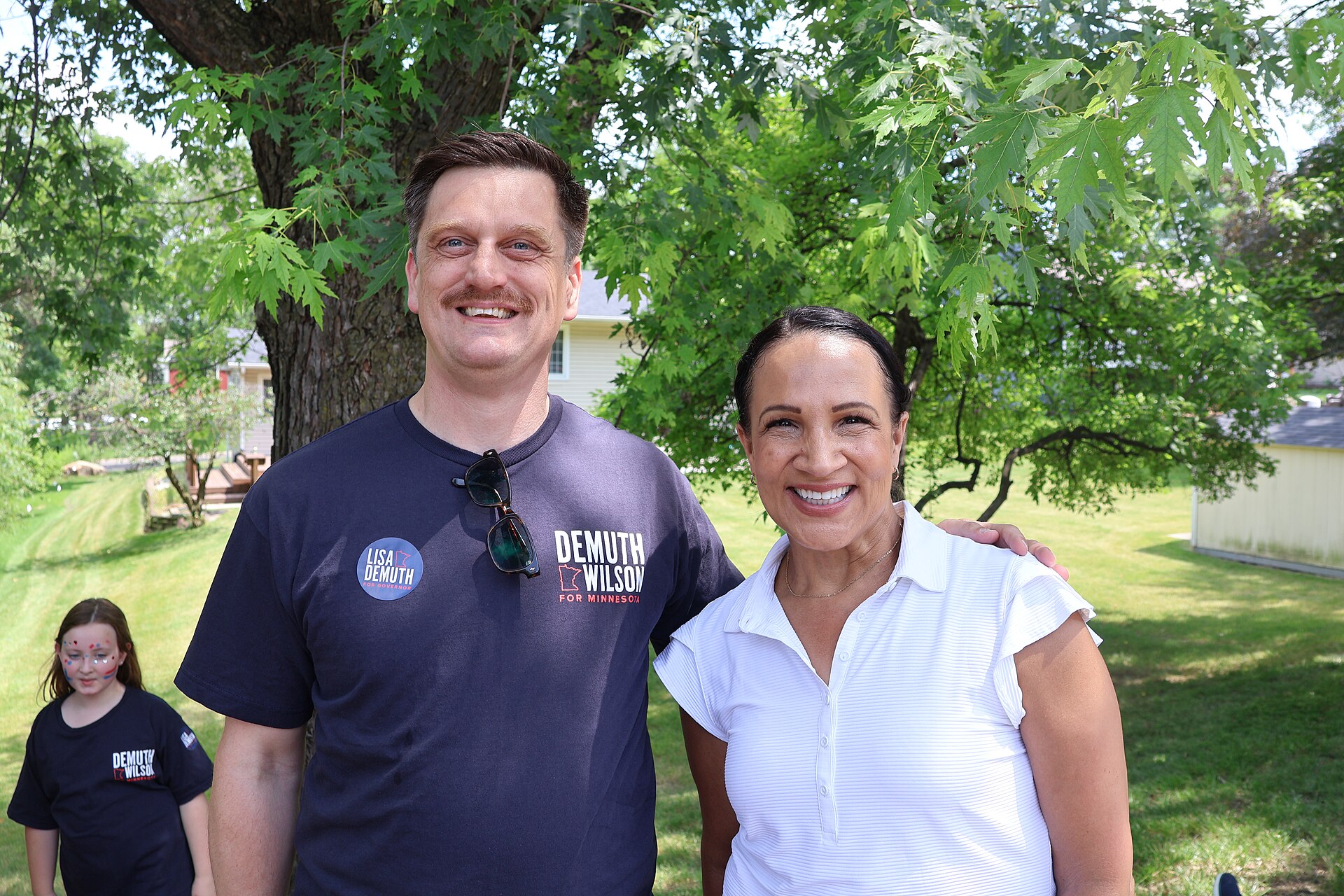
Kendall Qualls, a former health care executive and Minnesota Republican figure, was third with 21.4%. The margin between Demuth and Lindell was substantial enough for the AP to project Demuth as the winner before all ballots had been counted.
That distinction is important. Election-night projections are based on reported returns and analysis of the outstanding vote, while official certification is a separate process administered by state election authorities. A candidate can request or pursue review under applicable rules, but dissatisfaction with a result alone does not overturn it.
Lindell asks for time to review
After the race was called, Lindell told reporters his team needed “a day” to review the results. He said, without providing evidence, that the campaign had noticed “a couple of anomalies,” according to Forbes.
He did not immediately identify the precincts, ballots, procedures or vote totals at issue. Nor did the reporting describe a filed recount request, election contest or other formal legal challenge.
That leaves an important gap between Lindell’s public posture and the election process. Candidates are entitled to examine results and raise specific concerns, but a meaningful dispute generally requires identifiable evidence, a defined claim and use of the procedures set out in state law.
Trump’s endorsement did not deliver
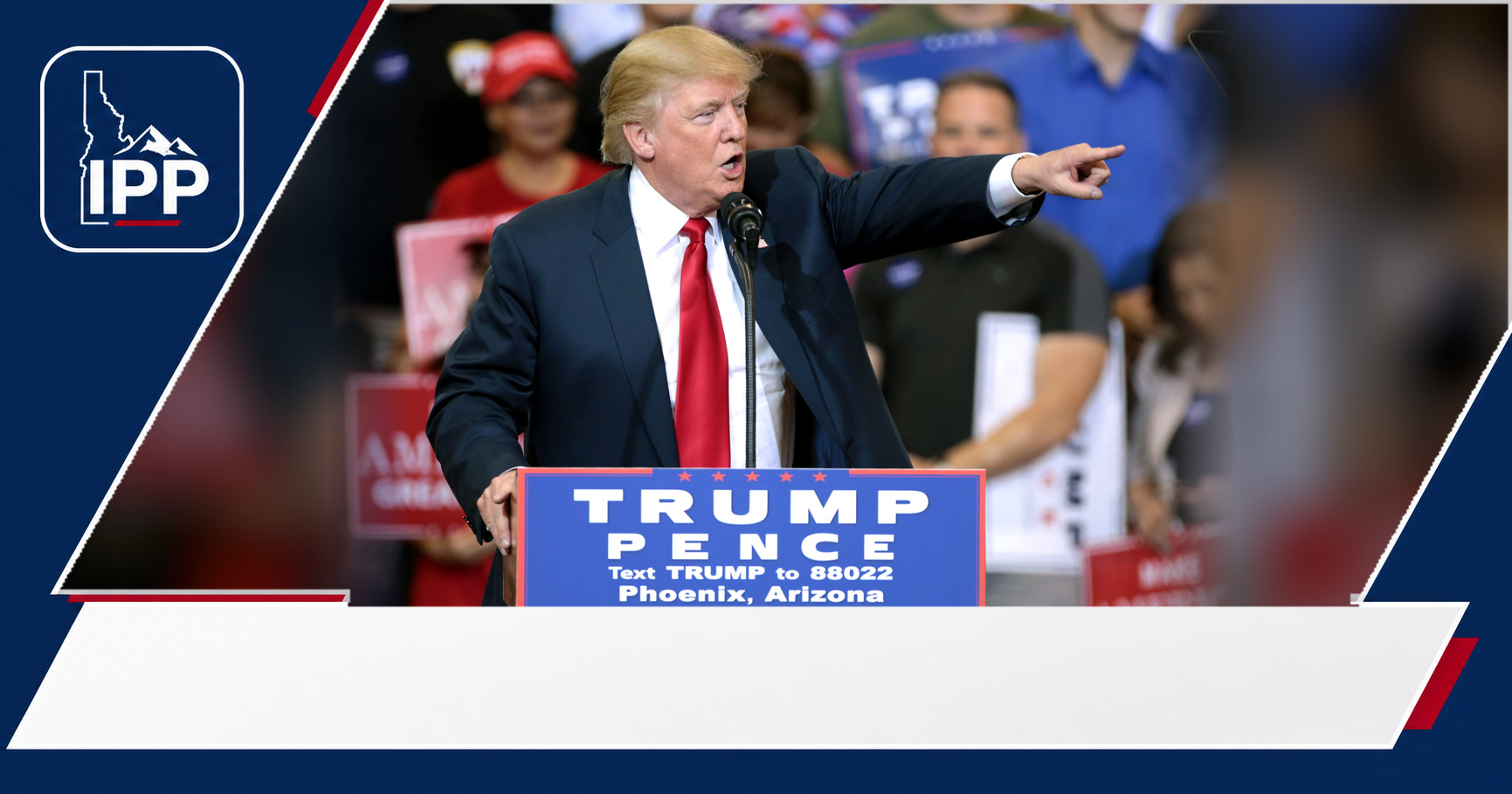
Trump backed Lindell before the primary and posted on Truth Social on Election Day that Lindell “deserves a BIG WIN IN MINNESOTA today,” Forbes reported. As of the report, Trump had not publicly commented on Lindell’s defeat.
The result illustrates the limits of an endorsement in a crowded statewide race. Lindell’s national name recognition and connection to Trump did not carry him past Demuth, a sitting House speaker with an established base in Minnesota Republican politics.
For Demuth, the win positions her as the party’s gubernatorial nominee. For Lindell, it is a setback after a campaign in which his political identity remained closely tied to his claims about election integrity and his support for Trump.
A campaign shaped by election claims
Lindell became one of the most visible promoters of false allegations that the 2020 presidential election was rigged. Those claims have brought serious financial and legal consequences, including lawsuits from voting-technology companies.
Forbes reported that Lindell settled a $1 billion defamation lawsuit with Dominion Voting Systems last month. It also reported that a judge found he defamed Smartmatic through similar false allegations, with damages in that case not yet determined.
Lindell has said he exhausted his fortune defending himself in litigation related to his election claims. His critics see the primary result as evidence that those claims remain a political liability. Supporters may argue that his insistence on reviewing the vote reflects skepticism they share about election administration.
The dividing line is evidence. Public confidence can be tested by unsupported allegations, especially from candidates who have made election fraud central to their political message. At the same time, election systems have procedures for investigating concrete claims, recounting ballots where permitted and certifying results.
Minnesota’s general-election picture
The Republican primary unfolded in an unusually open contest for Minnesota governor. Democratic Gov. Tim Walz announced in January that he would not seek a third term, according to Forbes, creating a race without an incumbent governor on the ballot.
Forbes said polling showed Democratic nominee Sen. Amy Klobuchar with a wide general-election lead at the time of its report. Polling can change, but Demuth now becomes the Republican candidate expected to make the case against a well-known Democratic opponent.
The state party’s immediate task is to consolidate after a three-way primary. Demuth will need Lindell’s supporters, Qualls’ supporters and voters who may have preferred neither candidate. Lindell’s decision on whether to concede cleanly could affect how quickly that consolidation happens.
What remains unresolved
The reported result is clear: Demuth won the Minnesota Republican gubernatorial primary, while Lindell finished second. What is not yet clear is whether Lindell will simply review the returns and acknowledge the outcome, or turn his remarks about “anomalies” into a specific election challenge.
Any next step will be judged by a straightforward standard: evidence. Minnesota voters, party leaders and Demuth’s campaign will be looking for details rather than broad suspicions as the race moves toward the general election.
For now, Lindell’s refusal to concede has extended the political story beyond election night. It has not changed the AP’s projection of Demuth as the Republican nominee.






Leave a Reply