
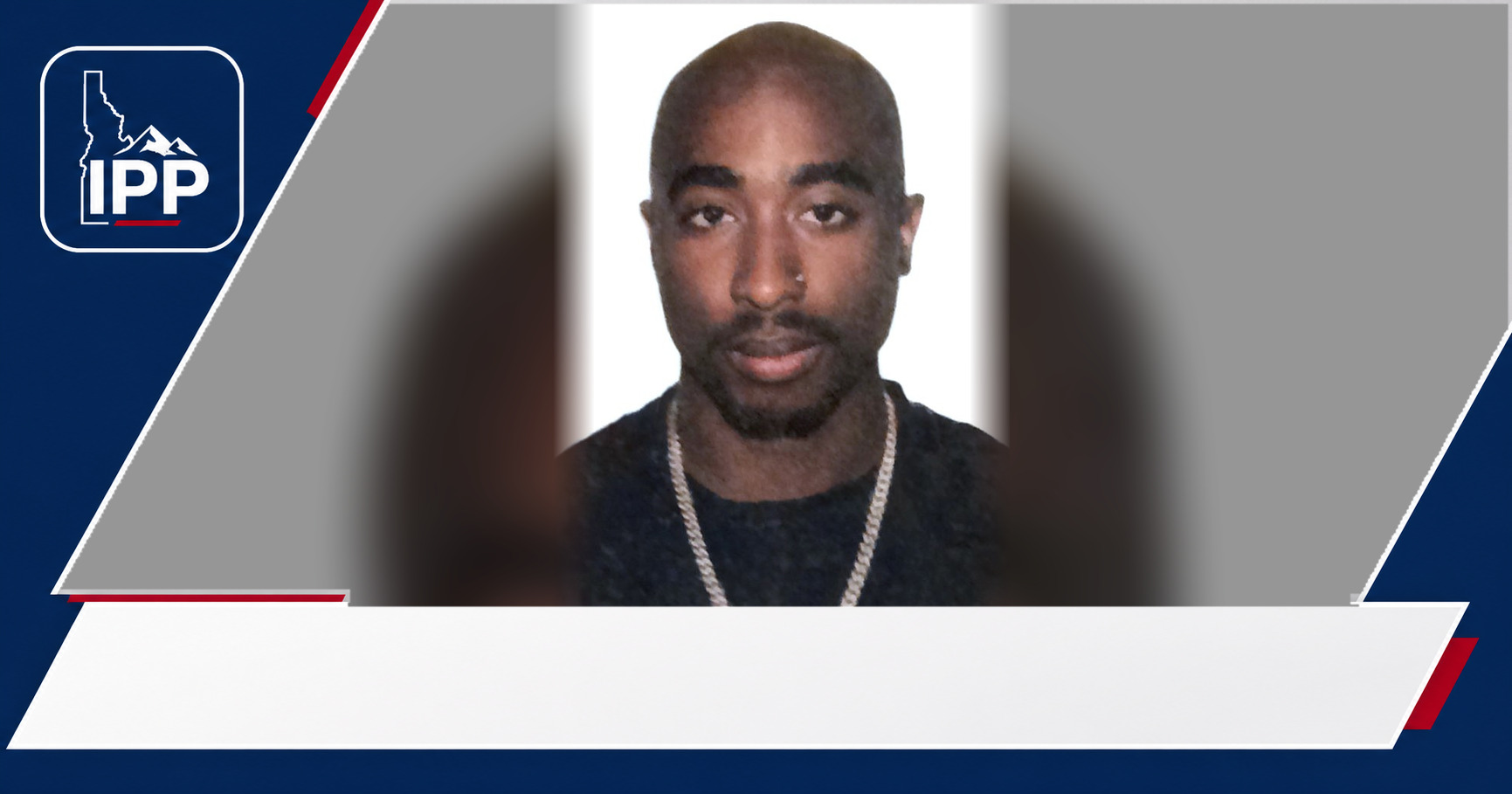
Three decades after Tupac Shakur was shot, prosecutors are building their case around Duane “Keffe D” Davis’ own statements. The defense says those accounts are unreliable and that the state’s narrative is fiction.
Tupac Shakur’s long-awaited trial over his 1996 killing has begun in Las Vegas, where Duane “Keffe D” Davis is charged with murder in the rapper’s death. Prosecutors say Davis orchestrated a retaliatory shooting after a fight involving his nephew; Davis has pleaded not guilty, and his defense says the state is treating unreliable stories as fact.
The case puts one of music’s most enduring unsolved killings before a jury nearly 30 years after Shakur was shot on September 7, 1996. Its outcome may turn heavily on Davis’ own interviews and memoir, rather than on the kind of eyewitness evidence usually available in a fresh homicide case.
A trial built on Davis’ words
Chief Deputy District Attorney Binu Palal told jurors that Davis did not pull the trigger but planned the shooting in retaliation for the beating of his nephew, Orlando “Baby Lane” Anderson, outside the MGM Grand after a boxing match.
According to the prosecution’s opening statement, Davis spent the following two hours planning revenge. Shakur was later shot while riding in a black BMW with Marion “Suge” Knight.
Prosecutors played audio in which Davis described a white Cadillac pulling alongside Shakur’s vehicle and gunfire coming from the back seat. Palal said the jury would hear that Davis’ own statements supply an unusually direct account of his alleged role.
Davis was indicted in 2023. He is the only person charged in Shakur’s death, and he could face life in prison if convicted of murder with a deadly weapon with the intent to promote, further or assist a criminal gang.
The defense calls it fiction
Davis’ attorney, Carl Arnold, argued in his opening statement that prosecutors are presenting claims as established truth when they are not. The defense position is that Davis made boastful or unreliable statements and that investigators failed to confirm them.
The defense has pointed to missing material from the original investigation, friction between law-enforcement agencies and what it describes as flawed detective work. It also challenged the use of passages from Davis’ 2019 memoir, Compton Street Legend, and his media interviews.
That challenge goes to the heart of the trial. A jury will need to decide whether Davis’ accounts were admissions against his own interest, as prosecutors contend, or exaggerated storytelling that cannot establish a murder case beyond a reasonable doubt.
Why the 1996 timeline matters
The shooting came hours after video showed Shakur and members of his entourage assaulting Anderson at the MGM Grand, prosecutors said. That confrontation is central to their claimed motive for retaliation.
Later that night, Shakur was shot in a drive-by attack near the Las Vegas Strip. Knight, the driver of the BMW, was grazed by gunfire. Shakur died days later at age 25.
The case became inseparable from a wider era of violence and rivalry in hip-hop, but the courtroom task is narrower. Jurors are being asked to weigh evidence about a specific confrontation, alleged planning, the shooting itself and Davis’ claimed role.
A case shaped by lost witnesses
The delay is not just a measure of public fascination. It creates major practical problems for both sides. The other three men alleged to have been in the Cadillac have died, and many original witnesses are no longer alive.
Retired Las Vegas officer Garry Dale testified that he and another officer stopped the car carrying Shakur and Knight shortly before the shooting because it lacked a license plate. Roughly 10 minutes later, Dale responded to the shooting call and found emergency personnel treating Shakur.
Dale said he tried to ask Shakur who shot him, but Shakur gave a response to the effect that he and his associates would handle it. Former homicide detective Brent Becker also described the difficulty investigators faced in getting people to speak about the attack.
For prosecutors, the shortage of living firsthand witnesses makes Davis’ alleged admissions more important. For the defense, it leaves fewer opportunities to test the accuracy of a story that has changed hands across decades of reporting, police work and public retellings.
What jurors are expected to hear
Prosecutors said they plan to call roughly 35 to 45 witnesses in a trial expected to last about a month. The early testimony has focused on the sequence of events in Las Vegas and the original investigation’s obstacles.
The state is expected to rely on Davis’ past comments to federal investigators, Las Vegas police, journalists and his co-authored memoir. Prosecutors say he spoke about being present in Las Vegas and described how the shooting unfolded.
The defense is likely to press a different interpretation: that investigators accepted sensational claims without sufficient corroboration. It may also challenge whether statements made years after the shooting can reliably establish who planned or directed it.
The verdict will not settle everything
A conviction would mark the first criminal verdict tied to Shakur’s killing. An acquittal would not establish that Davis had no connection to the events; it would mean prosecutors did not persuade jurors of guilt beyond a reasonable doubt on the charge presented.
The trial also cannot restore the evidence and testimony lost over time. What it can do is subject the competing accounts to public scrutiny in a courtroom, where the prosecution bears the burden and Davis remains presumed innocent unless proven guilty.
For Shakur’s family and for fans who have followed the case for decades, the proceedings offer a formal accounting of a night that became part of music history. Whether that accounting produces legal closure will depend on how jurors assess the gap between Davis’ words and proof.




Leave a Reply