

The former Trump adviser’s proposal puts immigration enforcement and election administration in the same debate. It also raises immediate questions about voter access, state authority and whether the White House has any plan to act.
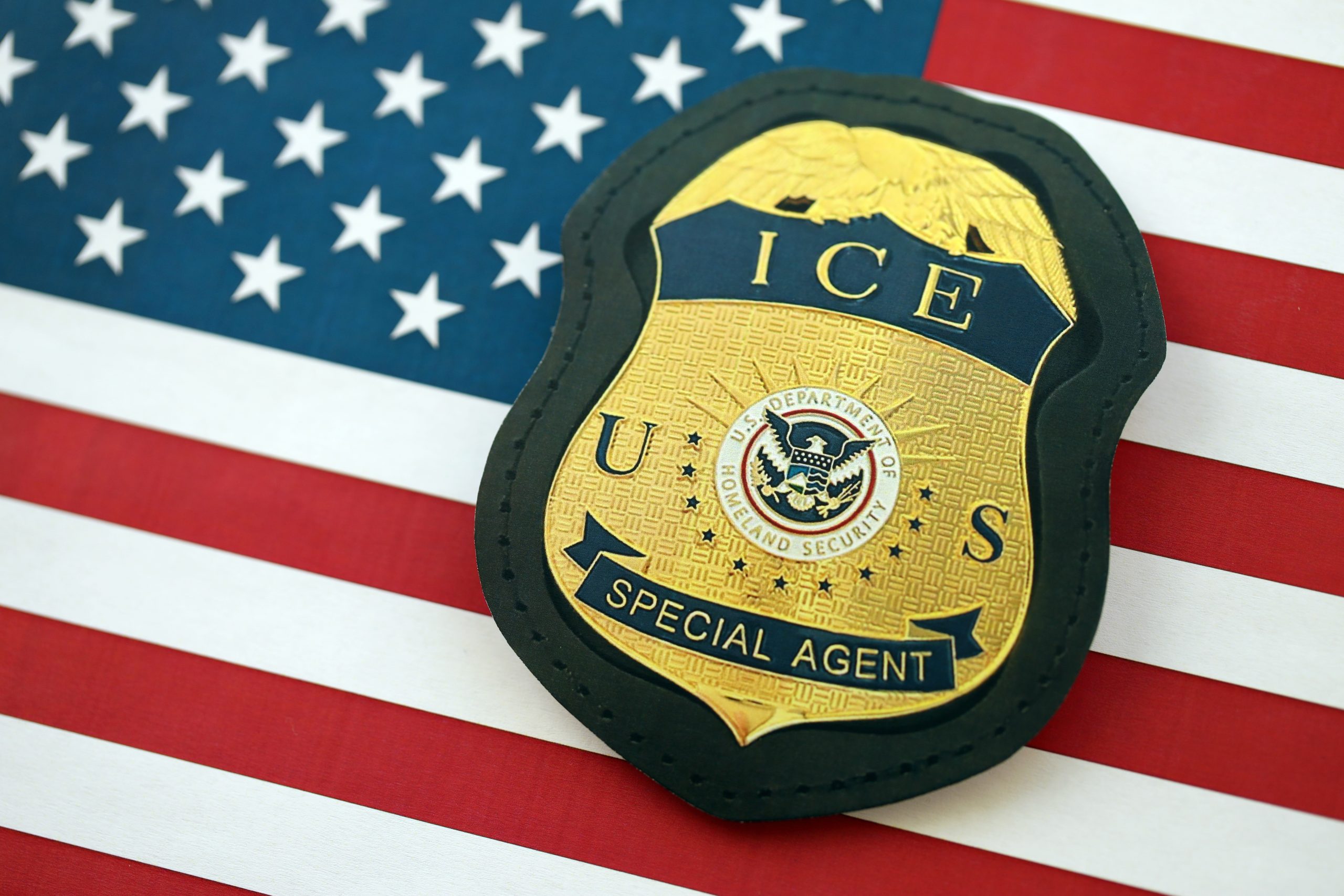
Steve Bannon is demanding a national emergency declaration over election integrity and calling for U.S. Immigration and Customs Enforcement personnel at polling stations during the U.S. midterm elections in November 2026. The Trump ally’s proposal would put federal immigration agents at polling places, a move Bannon says is needed to protect election integrity but one that critics say could deter voters and face serious legal obstacles.
Bannon made the case on Real America’s Voice while pressing President Donald Trump to go beyond the Safeguard American Voter Eligibility Act, or SAVE Act. There is no announced White House plan to deploy ICE at voting locations, and the proposal runs into the basic reality that states, not the president alone, administer elections.
Bannon’s call for an emergency
According to Newsweek, Bannon urged the administration to issue what he called a national emergency proclamation or memo tied to the coming election. He framed the declaration as a way to force action on voter identification and mail-in voting.
His argument was not limited to legislation. Bannon said an “up-armored ICE presence” at polling booths would be necessary in November, portraying it as an enforcement measure aimed at people in the country illegally who are not eligible to vote.
He openly acknowledged that opponents would call the idea intimidation. Bannon’s response was that lawful U.S. citizens should not find the presence of agents intimidating, while people unlawfully present in the country should be discouraged from coming near a voting site.
That distinction is central to the political argument, but it does not settle the practical question: a polling place serves a broad public, including voters, relatives, election workers and people seeking information. Visible immigration enforcement could affect behavior beyond the narrow group Bannon described.
The White House has not embraced it
Trump has not publicly said he plans to declare a national emergency related to the 2026 midterms. Asked recently on Real America’s Voice about the prospect, Trump said, “Stranger things have happened,” according to Newsweek, without outlining a policy.
In February, White House press secretary Karoline Leavitt said she had not heard Trump discuss formal plans to put ICE outside polling locations. When pressed, she declined to guarantee agents would not be present, calling the scenario a “very silly hypothetical question.”
Those comments leave room for political speculation, but they are not a deployment order or an announced program. Bannon is advocating a course of action; the administration has not confirmed that it will take one.
The difference matters. Presidential allies can shape the debate and test messages that appeal to supporters, yet a national emergency declaration, an ICE operational plan and changes to election procedures would each require their own legal and administrative basis.
Election authority is largely state-based
A national emergency declaration would not automatically give a president power to rewrite state election laws or create new voter qualifications, election-law experts told Newsweek. The Constitution gives states the primary role in running elections, while Congress has substantial authority over rules for federal contests.
That division means an emergency declaration would not itself resolve where agents could stand, what they could do, how local election officials would respond or whether state laws limit activity around voting sites. Any broad federal intervention would be vulnerable to court challenges.
Newsweek also reported that a draft executive order discussed last year would have cited foreign election interference as a basis for emergency steps. Critics of such approaches argue that emergency powers cannot become a shortcut for imposing nationwide voting rules that Congress and the states have not adopted.
The legal dispute would likely turn on specifics rather than rhetoric: the wording of any proclamation, the authority cited, the precise role assigned to ICE and the effect on access to the ballot. None of those details exists in Bannon’s public pitch.
Why an ICE presence changes voting
Supporters of tougher election rules argue that voter identification, citizenship verification and closer enforcement can strengthen public confidence in elections. Trump has repeatedly argued that voter ID and other provisions in the SAVE Act are important for election integrity and Republican prospects in November.
Opponents see a different risk. An immigration-enforcement presence near polling sites could make eligible voters from immigrant communities, mixed-status families and naturalized citizens fear scrutiny or arrest, even if they are legally entitled to cast a ballot.
Critics also contend that requiring particular forms of identification could keep some eligible Americans from voting. Democratic Senate Minority Leader Chuck Schumer has described Trump’s election-related efforts as an attempt to take over American elections and said Senate Democrats would fight what he called illegal actions.
These competing claims are about more than one Election Day tactic. They reflect a larger clash over whether stricter enforcement improves trust in elections or creates barriers that make participation less free and less equal.
Mail voting remains part of the fight
Bannon paired his ICE proposal with criticism of mail-in ballots, which he characterized as fraudulent. But the political effects of curbing mail voting are not straightforward.
Jeffrey Toobin, CNN’s chief legal analyst, previously told Newsweek that it remains unclear which party benefits most from mail voting. He noted that Republicans strongly supported it in earlier decades and said restrictions could hurt Republicans as much as, or more than, Democrats.
That uncertainty complicates claims that changing voting methods will produce a predictable partisan result. It also helps explain why election rules remain a persistent source of conflict even when both parties say they want secure, trusted results.
What remains unresolved before November
For now, Bannon’s demand is a proposal, not federal policy. The White House has not announced a national emergency, ICE has not announced an election-day role, and no public operational framework describes federal agents at polling locations.
If the administration moves toward any version of the idea, the immediate questions would include whether it has legal authority, how state election officials would respond and whether courts would halt the effort before votes are cast. The answers could determine whether the proposal remains campaign rhetoric or becomes a defining legal fight ahead of November 2026.
Until then, the significance of Bannon’s comments is the boundary they are testing: whether immigration enforcement can be presented as an election-security tool without changing the experience of voting for millions of Americans.



Leave a Reply