
The phrase “presidency-ending scandal” carries enormous weight in U.S. politics. Yet the research provided with this trend item leaves the central claim unverified and the underlying controversy unspecified.
A purported “presidency-ending scandal” was flagged by an unnamed expert as something that “should be huge,” according to the supplied Raw Story headline. But the available research does not identify the scandal, the expert, the presidency at issue, or the evidence behind the claim—details readers need before judging whether the warning is credible.
That gap matters now because a phrase like “presidency-ending scandal” can travel quickly while leaving the underlying facts behind. A strong political allegation is not the same as a documented finding, a formal investigation, a court ruling or an admission of wrongdoing.
The central allegation is unspecified
The trend record provides a headline and an MSN link to a Raw Story item, but its extracted text contains only the label “MSN trend category: homepage.” It does not preserve the article’s reporting, quotations, named participants or supporting documentation.
As a result, the available material cannot establish which scandal the expert was discussing. It also cannot show whether the expert was a legal analyst, historian, former official, political commentator or another kind of source.
Those distinctions are essential. Expertise may help readers understand an event, but it does not by itself prove that an allegation occurred, that conduct was unlawful, or that it could remove a president from office.
Big labels require specific evidence
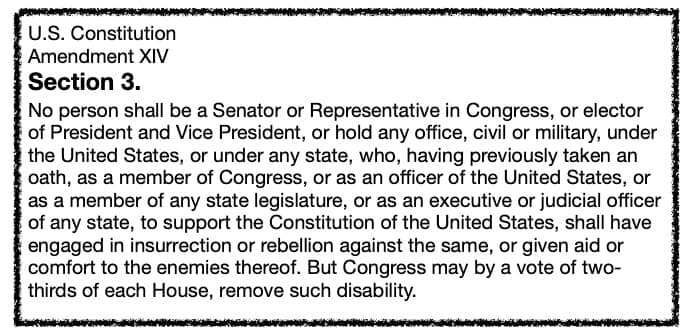
“Presidency-ending” is a prediction, not a neutral description. In the American system, a presidency can be affected by public opinion, congressional oversight, elections, resignation, impeachment and conviction, or legal proceedings. Each path has different standards and different decision-makers.
A responsible account of a potentially consequential scandal should spell out the underlying conduct being alleged; who is making the allegation; what records, testimony or reporting support it; and what response has come from the people or institutions involved.
It should also distinguish between verified facts and analysis. A commentator may argue that a controversy deserves more attention. That is different from reporting that an investigation has reached a finding, that charges have been filed, or that lawmakers have taken formal action.
- Claim: What exactly is alleged to have happened?
- Source: Who made the claim, and what is their relevant expertise?
- Evidence: Are there documents, on-the-record witnesses or official records?
- Response: Has the accused person or organization addressed it?
- Status: Is there an inquiry, a court case, a congressional proceeding or none of those?
Historical comparisons can mislead
The supplied research includes a 2022 CNN opinion article referring to Watergate and the Iran-Contra affair while discussing testimony connected to January 6. That material offers historical context for the phrase “presidency-ending scandal,” but it does not identify or corroborate the current claim in the Raw Story headline.
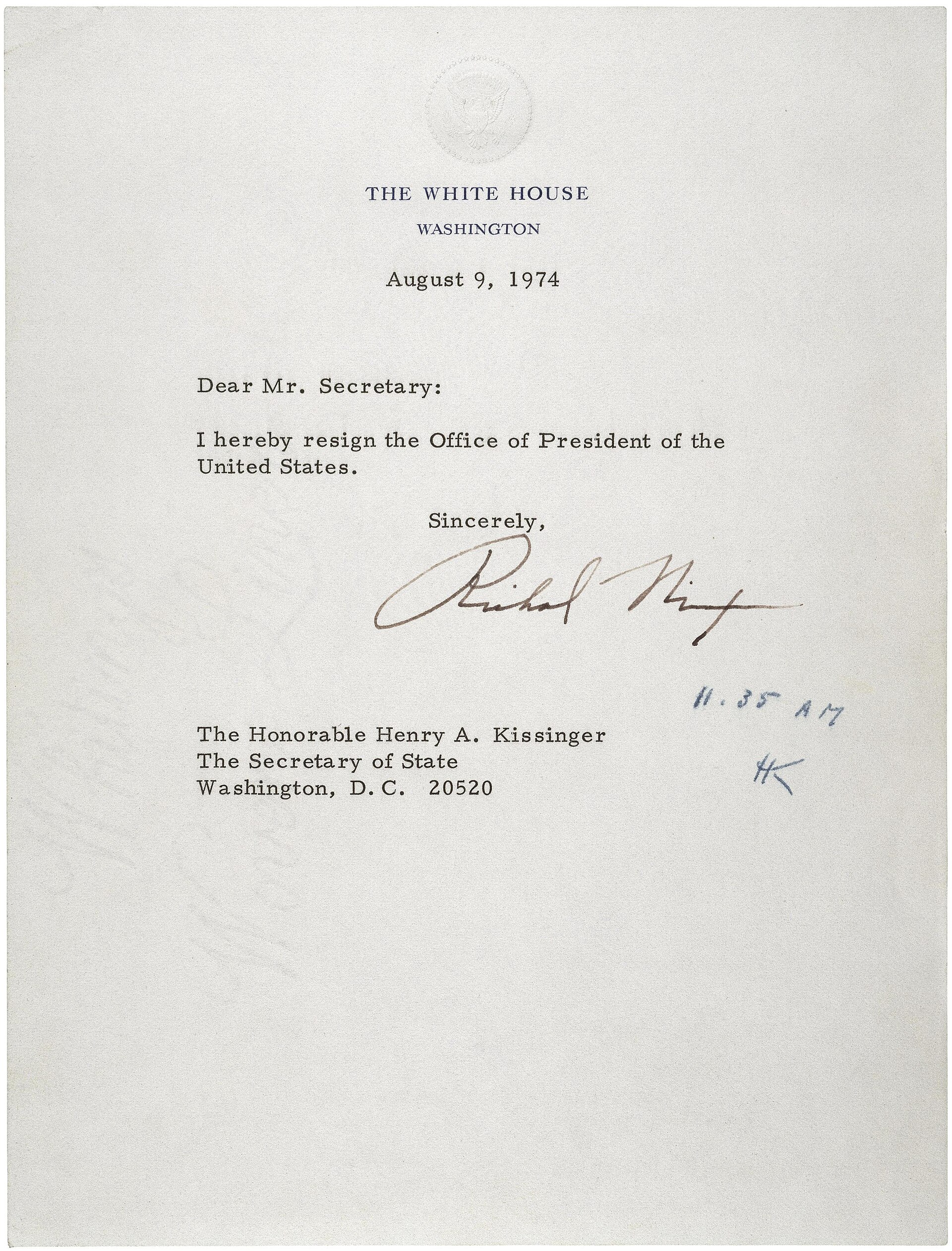
Watergate is often shorthand for political collapse because it involved sustained reporting, congressional investigation, criminal cases, taped evidence and President Richard Nixon’s resignation. Iran-Contra, by contrast, produced major investigations and legal consequences without ending Ronald Reagan’s presidency.
Those examples show why historical labels should be used carefully. The scale of a controversy cannot be measured from a dramatic comparison alone. Evidence, institutional response and public consequences determine whether a political episode becomes a lasting scandal.
What the other research does—and does not—show
The source packet also contains a Department of Justice filing in United States v. Donald J. Trump and a Congressional Research Service summary of the Supreme Court’s presidential-immunity decision. Both concern allegations involving efforts to overturn the 2020 election and the legal limits on prosecuting presidential conduct.
Neither source is identified as the basis for the Raw Story headline. The research labels them authoritative context rather than the same story. It would be inaccurate to assume that the unnamed “scandal” refers to those documents or to attach the headline’s prediction to any particular president.
That is more than a technical caveat. Connecting a vague scandal claim to a named person without direct source support can turn incomplete reporting into an unsupported accusation.
What readers can reasonably conclude
The available record supports only a narrow conclusion: a headline described an unnamed matter as a possible “presidency-ending scandal,” and attributed the sentiment that it “should be huge” to an unspecified expert. It does not provide enough information to evaluate the claim’s factual basis or political significance.
Readers looking for a fuller account should seek the original article text and independent reporting that identifies the allegation, quotes the expert in context and links to primary documentation. Official filings, hearing records, agency statements and full court opinions are more useful than a headline when the stakes are this high.
Until those basics are available, the most accurate framing is not that a presidency-ending scandal has been established. It is that a dramatic claim has circulated without sufficient detail in the research record to verify what, precisely, it means.





Leave a Reply