

A planned appearance by activist Jake Lang has prompted an unusually broad response from Dearborn leaders. Their message is focused on public safety, religious freedom and rejecting rhetoric they say divides neighbors.
Michigan leaders have raised alarm over the Christian Crusader March planned in Dearborn, where activist Jake Lang said he would bring the event to a Tuesday night City Council meeting. Dearborn Mayor Abdullah Hammoud, Police Chief Issa Shahin and local Christian clergy are responding with a public call for unity, while the meeting has been moved to the Henry Ford Centennial Library.
The concern is not simply that a protest is planned. Dearborn officials and faith leaders say the language and history surrounding the event risk turning a routine public meeting into a flashpoint in a city known for its large Muslim population and varied religious communities.
Why leaders are speaking out
Hammoud joined Christian pastors and clergy members Monday to reject what they described as hate and outside efforts to divide Dearborn residents. Their gathering was a notable show of alignment between city government, law enforcement and Christian leaders.
“Dearborn welcomes everybody,” Hammoud said, according to CBS News Detroit. He argued that the city’s openness can challenge people whose view of America does not make room for pluralism.
The public response also directly addressed the march’s use of Christian identity. Rev. Bob McCabe, pastor of the Church of the Divine Child, said Dearborn is a place where people can worship freely and draw close to one another, including Christians such as himself.
That distinction is central to the leaders’ message: they are not contesting Christianity’s place in public life. They are contesting the use of Christian language in a confrontation that community figures believe could encourage hostility toward Muslim neighbors.
The march is tied to council night
Lang announced plans for what he called a “Christian Crusader March” in connection with the Dearborn City Council meeting on Tuesday night. Officials moved that meeting to the Henry Ford Centennial Library.
The available reporting does not detail the full itinerary, expected attendance, permit status or whether Lang’s group intends to speak during the meeting. It does establish that city leaders are treating the gathering as an event requiring a significant security response.
Shahin said the department had a comprehensive operational plan and that residents would see substantially more officers in the area in the days ahead. The police chief did not publicly lay out tactical specifics, an ordinary precaution when preparing for a potentially contentious event.
Moving a public meeting can create practical complications for residents who want to attend, but it can also give a city more space and flexibility to manage access, crowds and potential counter-demonstrations. Dearborn’s decision reflects the expectation that interest will extend well beyond typical council business.
November protests shaped the response
Lang is not new to Dearborn. CBS News Detroit reported that he and other anti-Islam protesters marched in the city in November 2025, when they clashed with counter-protesters.
Those protesters claimed the area was unfriendly to non-Muslims. Local Christian leaders are now explicitly challenging that characterization, presenting their own experience of Dearborn as a place where people of different faiths can live and worship openly.
Pastor Nathan Hayes of Solid Rock Church urged residents to focus on the people who live alongside them rather than on “outside voices.” Chaplain Rick Neveu of St. Kateri Church of Dearborn similarly emphasized a religious obligation to love one’s neighbor regardless of race or religion.
Their comments offer a counter-message to the planned march: Christian faith, in their view, is not a justification for treating a Muslim-majority community as an enemy or an exception to the country’s religious-freedom principles.
Lang’s history raises the stakes
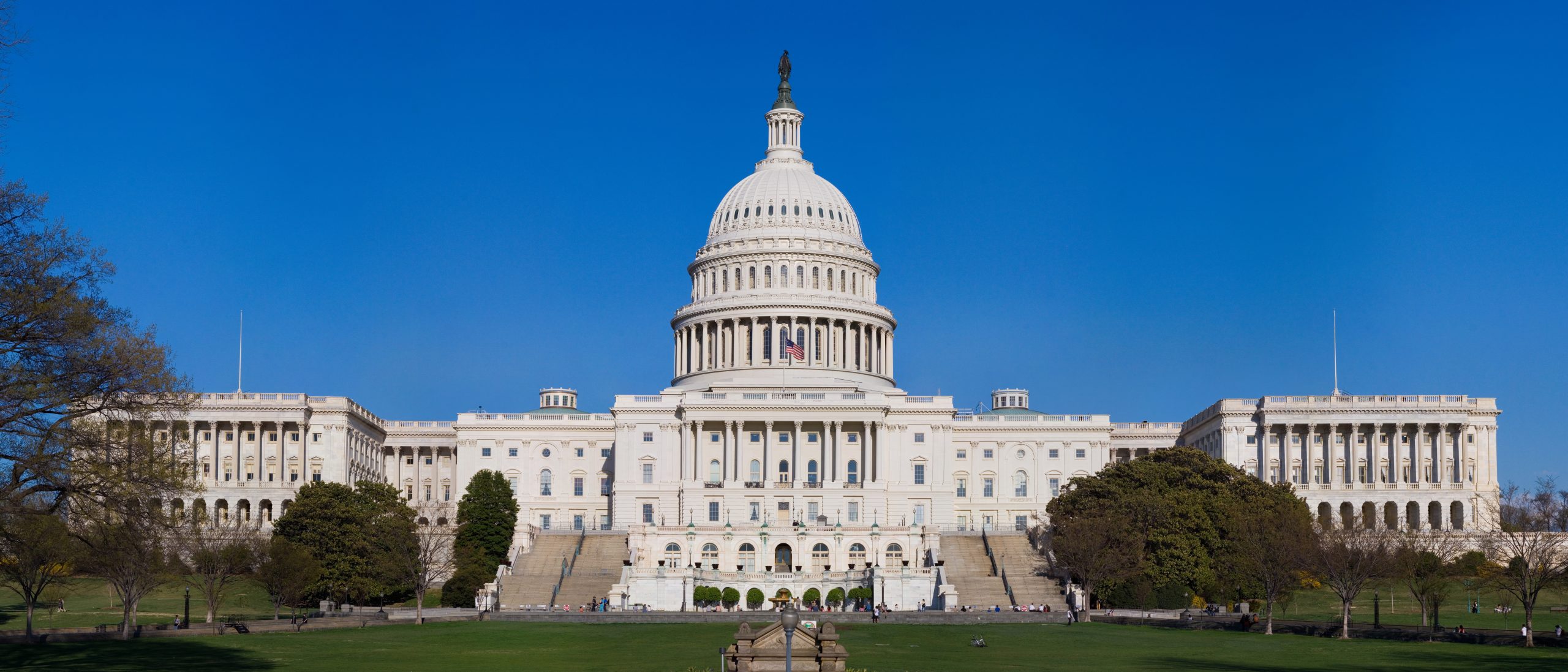
CBS News Detroit described Lang as a far-right activist who took part in the January 6, 2021, attack on the U.S. Capitol. The outlet reported that he served four years in prison before receiving a pardon from President Trump.
That history helps explain why leaders are approaching the planned Dearborn appearance with heightened caution. For public officials, a gathering involving politically charged rhetoric is different from an ordinary disagreement at a council meeting when it arrives with a recent record of street confrontations.
At the same time, the response is being framed around calm rather than escalation. Hammoud, Shahin and the clergy members who spoke have emphasized welcome, safety and neighbor-to-neighbor connection instead of urging a confrontational reply.
That approach leaves room for lawful speech and protest while making clear that officials do not endorse the march’s framing. It is also a recognition that the city’s strongest answer may be its ability to keep daily civic life functioning without rewarding provocation.
A test for Dearborn’s civic spaces
City Council meetings are designed to be public forums, and public officials must balance access and expression with safety. The relocation to the library shows how quickly that balance can shift when a meeting becomes the focal point for an outside political event.
What remains unclear is how many people will attend, whether there will be organized counter-protests and how the evening will unfold once the meeting begins. Officials have disclosed increased police presence but not the full scope of their preparation.
The more immediate takeaway is that Dearborn’s response has become broader than a policing question. The mayor, police chief and Christian clergy are jointly arguing that the city’s identity cannot be reduced to a political target or a religious stereotype.
For residents, Tuesday’s meeting will test whether that message of unity can hold amid a highly visible attempt to bring national culture-war conflict into a local civic setting.





Leave a Reply