
The Justice Department’s planned election-monitoring force would be far larger than its recent midterm operation. The announcement puts fresh focus on what federal monitors do, where they will go and how the department will staff the effort.
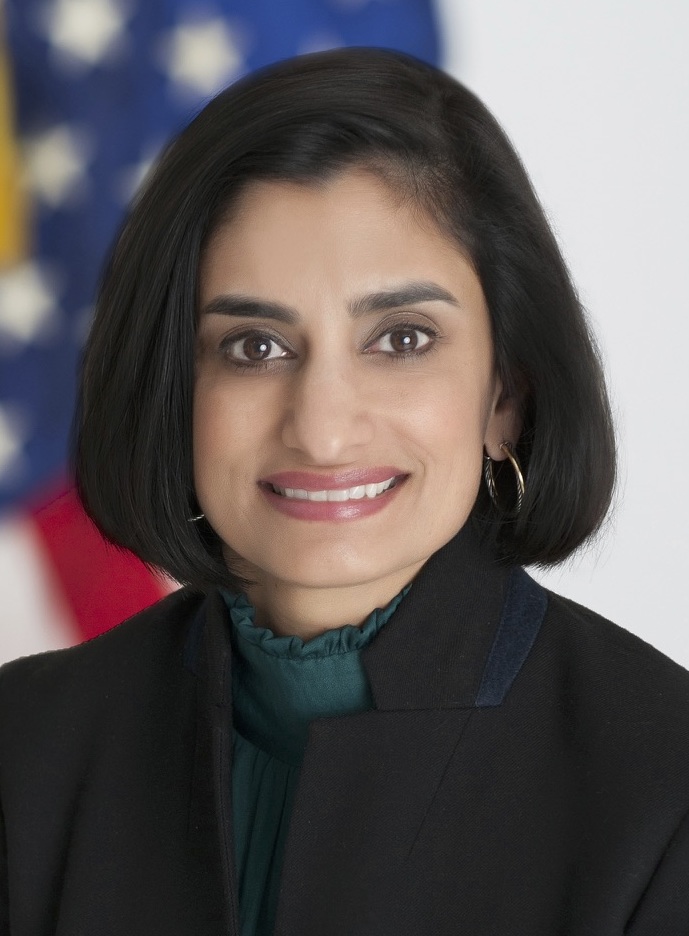
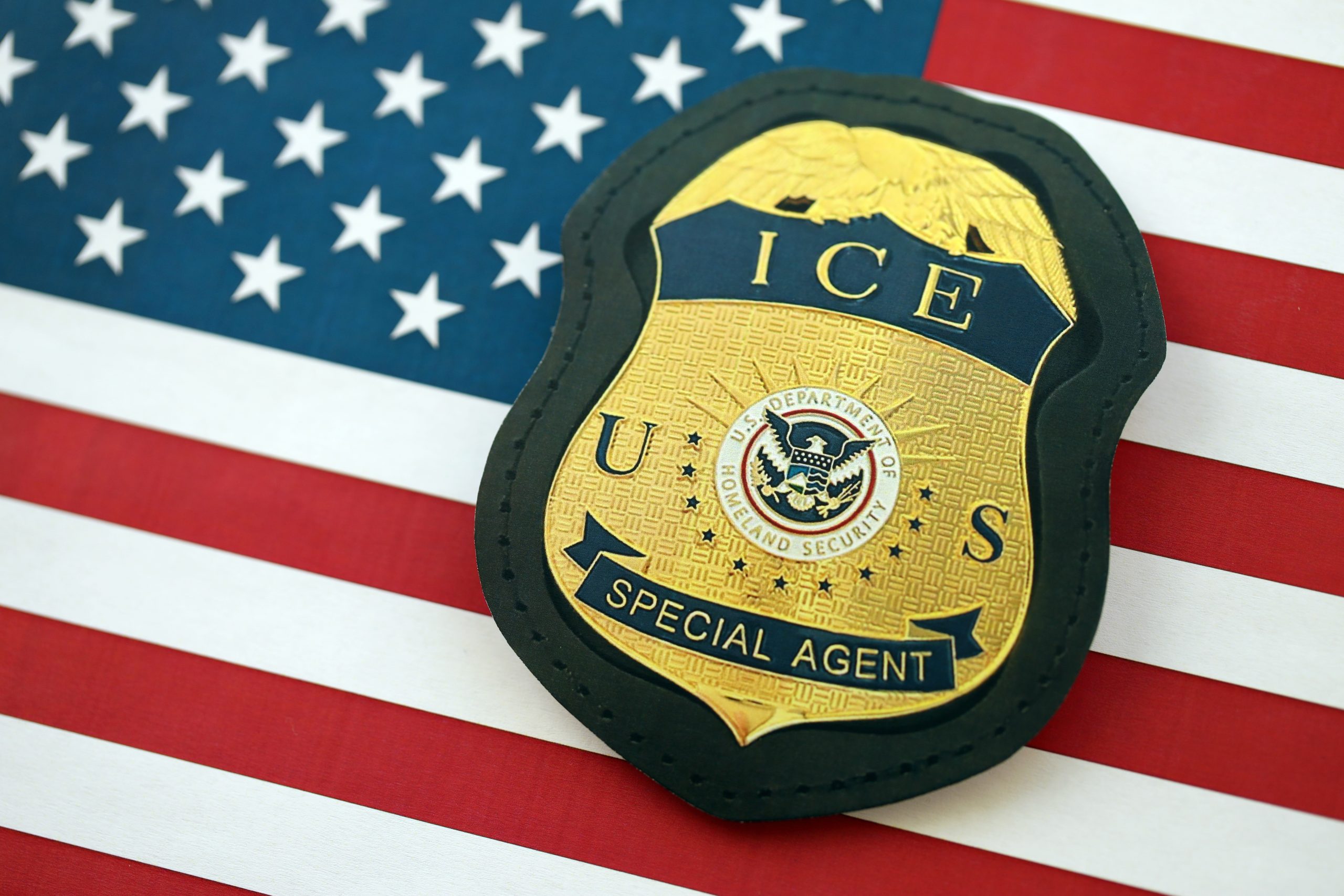
The Justice Department plans to send a record 1,000 federal monitors to polling places for the U.S. midterm elections, according to Harmeet Dhillon, who leads the department’s Civil Rights Division. The monitors will be deployed to polling places for the midterm elections across the United States, a major expansion of a long-running federal role intended to enforce voting-rights protections.
The number is the headline, but the harder question is execution. The department sent 289 people to polling places in the 2022 midterms and 714 during the 2024 presidential election, meaning the proposed operation would require a sizable new recruiting, training and coordination effort.
A deployment far beyond 2022
Dhillon announced the planned 1,000-person deployment in remarks to Bloomberg, CBS News reported. If completed, it would be the largest such Justice Department effort described in the department’s recent election-monitoring history.
The comparison shows the scale. The 2022 midterms involved 289 people, according to a Justice Department official who spoke with CBS News. In 2024, the department sent 714 people across 27 states and 86 jurisdictions to monitor compliance with federal voting laws.
That does not mean 1,000 monitors will be assigned to 1,000 separate polling locations. The department has not yet released its final locations, staffing model or the number of jurisdictions involved. One person can be part of a larger team, move among sites or support an operation beyond a single polling place.
What federal monitors are there to do
The Justice Department’s Civil Rights Division has sent personnel to elections for years. Its core stated purpose is to help ensure compliance with the federal Voting Rights Act and related voting protections.
Those protections address discrimination and unlawful barriers to voting. The law prohibits voting discrimination based on race, gender, ethnicity, religion, disability and other protected characteristics, and it is meant to protect voters from intimidation or being improperly prevented from casting a ballot.
Federal monitors are not there to run local elections, count votes or replace state and county election officials. Election administration remains principally a state and local responsibility. The federal presence is focused on observing conditions and identifying potential violations of federal law.
Historically, the work has largely been handled by Civil Rights Division attorneys and staff, with help from U.S. Attorney’s Offices. A smaller group in the 2024 operation came from a separate federal observer program administered by the Office of Personnel Management, which recruits and trains volunteers to observe designated sites, take notes and report what they see.
Staffing is the central test
A 1,000-person field operation requires more than finding volunteers. It means training people on election rules, coordinating with local officials, setting reporting procedures and deciding where their presence is most warranted.
That challenge is especially notable because the Civil Rights Division has experienced substantial personnel losses under the Trump administration. CBS News reported that more than 70% of its career staff took early retirement or resigned amid concerns over changes to the division’s mission under Dhillon’s leadership.
Dhillon has recruited additional attorneys, but CBS reported that the division remains understaffed. A Justice Department spokesperson said the department will seek federal employees to volunteer for the monitoring effort, while another official said recruitment will target Justice Department personnel, including employees in U.S. Attorney’s Offices.
That approach could broaden the pool quickly, but it leaves key practical details unresolved: how many people will be trained in time, what roles they will perform and whether a force of that size can be deployed consistently across a national election.
Locations will shape the response
The department expects to publish a full list of monitoring locations after the primaries conclude. Until then, the announcement provides a national total rather than a map of where federal personnel will actually be sent.
On Tuesday, the Justice Department said it would send monitors to primary-election polling places in Miami-Dade County, Florida, and Laramie County, Wyoming. Those early deployments offer an indication that county-level decisions, rather than a blanket statewide approach, may be central to the larger operation.
Location choices matter because they will determine how voters and election officials experience the policy. A monitor assigned to a jurisdiction with a history of voting-rights complaints may be viewed as a safeguard by some voters. In a politically polarized environment, the same federal presence may be treated with suspicion by others.
The department has not said which criteria will determine its final midterm selections. It also has not announced how many monitors would be assigned to any individual place or whether teams would include attorneys, other department employees or volunteers from the observer program.
A familiar role in a new climate
Justice Department election monitoring is longstanding, but this year’s plan arrives amid broader disputes between the department and states over voter information. The Civil Rights Division has filed 31 lawsuits seeking states’ unredacted voter data, saying it wants to ensure voter rolls are accurate and that noncitizens are not registered.
States have argued that those lawsuits could undermine confidence in election administration. CBS News reported that the federal government had not prevailed in any of the cases at the time of its report, with judges blocking the data requests in 23 cases.
The political backdrop also includes President Donald Trump’s repeated refusal to acknowledge his 2020 loss and his unsupported claims that the election was stolen. Those claims have made the mechanics of election oversight unusually sensitive, even when the underlying federal monitoring authority is not new.
Supporters of a larger federal presence can point to the Voting Rights Act’s protections against discrimination and intimidation. Critics may question the scale, the selection of locations and whether the department can carry out the plan impartially while pursuing aggressive voter-data litigation. Both reactions are likely to intensify once the location list is released.
The number is a plan, not a map
For now, the 1,000 figure is an announced goal, not a completed deployment. The Justice Department still must show how it will recruit and prepare the personnel, coordinate with local election authorities and disclose where the monitors will work.
The coming location list will provide the clearest measure of what this record operation means in practice. Until then, the announcement signals an expanded federal role at polling places, while leaving the most consequential operational details unanswered.



Leave a Reply