
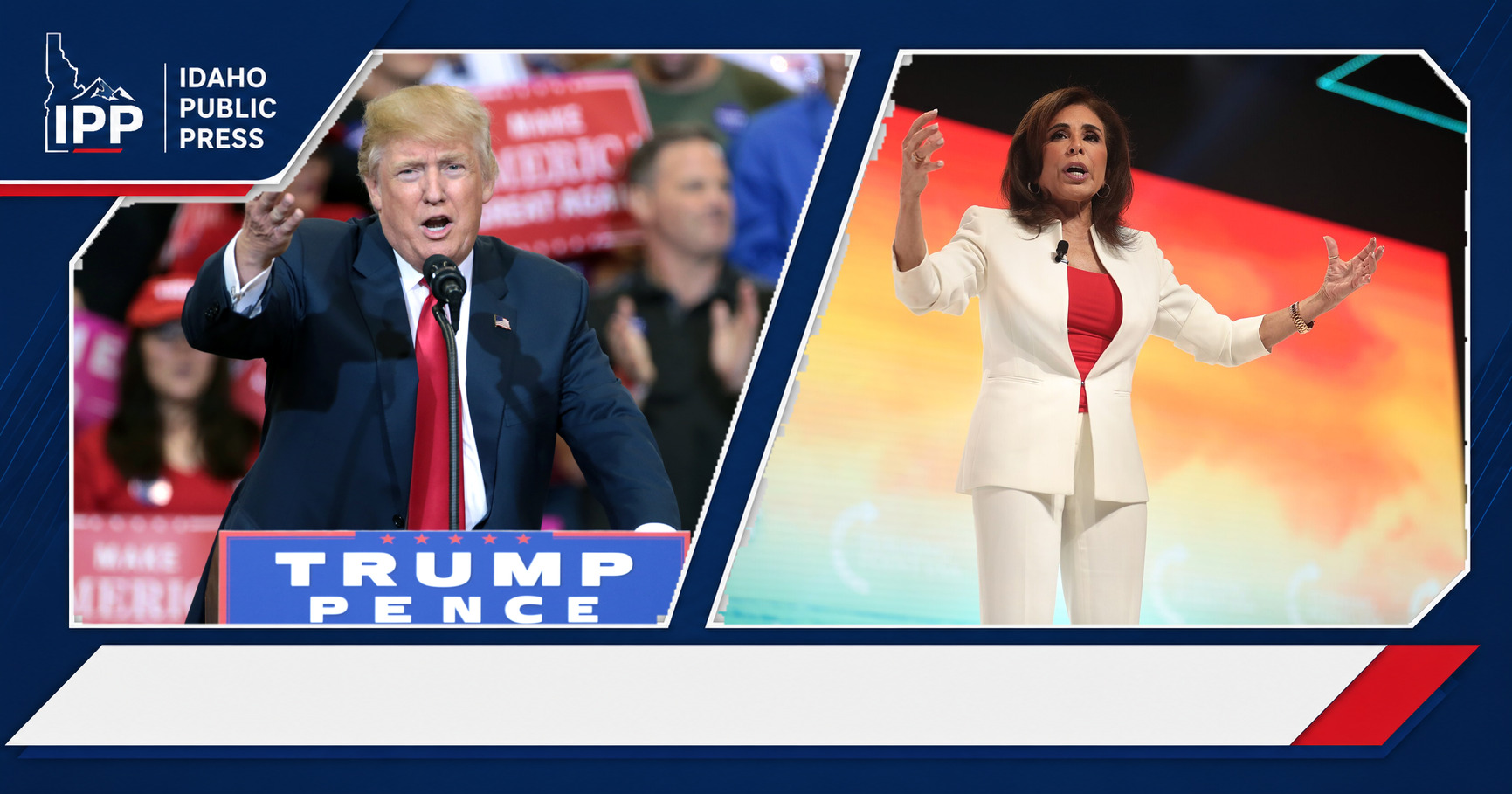
A small Washington case has become a larger test of loyalty, judgment and prosecutorial independence inside Trump’s Justice Department.
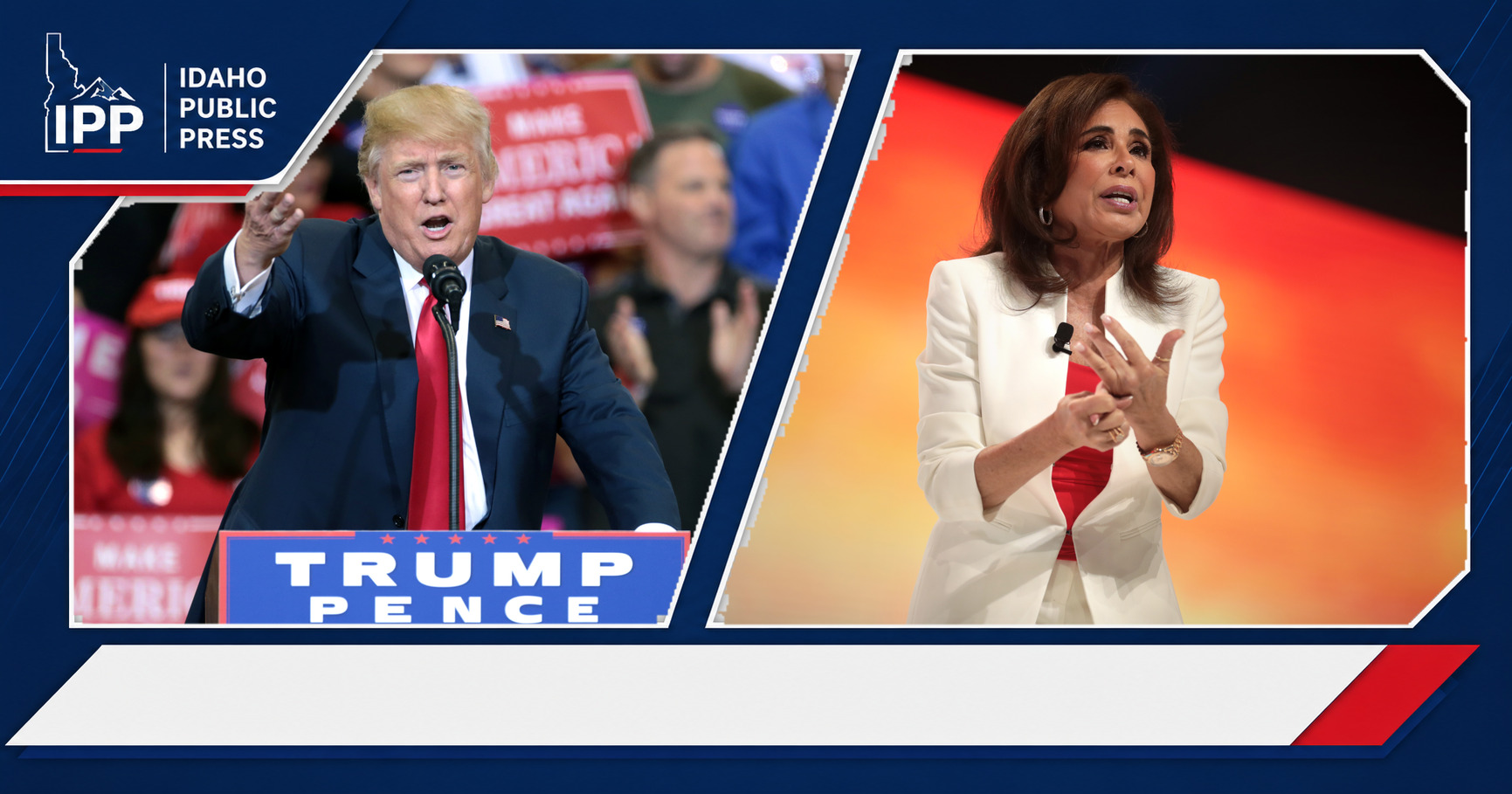
Donald Trump is considering removing Jeanine Pirro after the Reflecting Pool case was dropped, CNN reported, citing two people familiar with his thinking. The flashpoint is a Justice Department court filing in Washington, D.C., where Pirro’s team abandoned a case tied to alleged damage at the Lincoln Memorial Reflecting Pool and said the harm stemmed from a flawed renovation rather than vandalism.
On Monday, Aug. 3, Trump publicly criticized Pirro, saying she “choked,” according to Reuters, NBC News and CBS News. The question now is whether that criticism becomes a personnel move against his handpicked U.S. Attorney for the District of Columbia.
A filing changed the story
The Reflecting Pool case had been presented as a vandalism matter involving damage at one of the most recognizable sites in Washington. NBC News reported that the government had previously accused an Olympic canoeist of causing more than $1,000 in damage to the Lincoln Memorial Reflecting Pool.
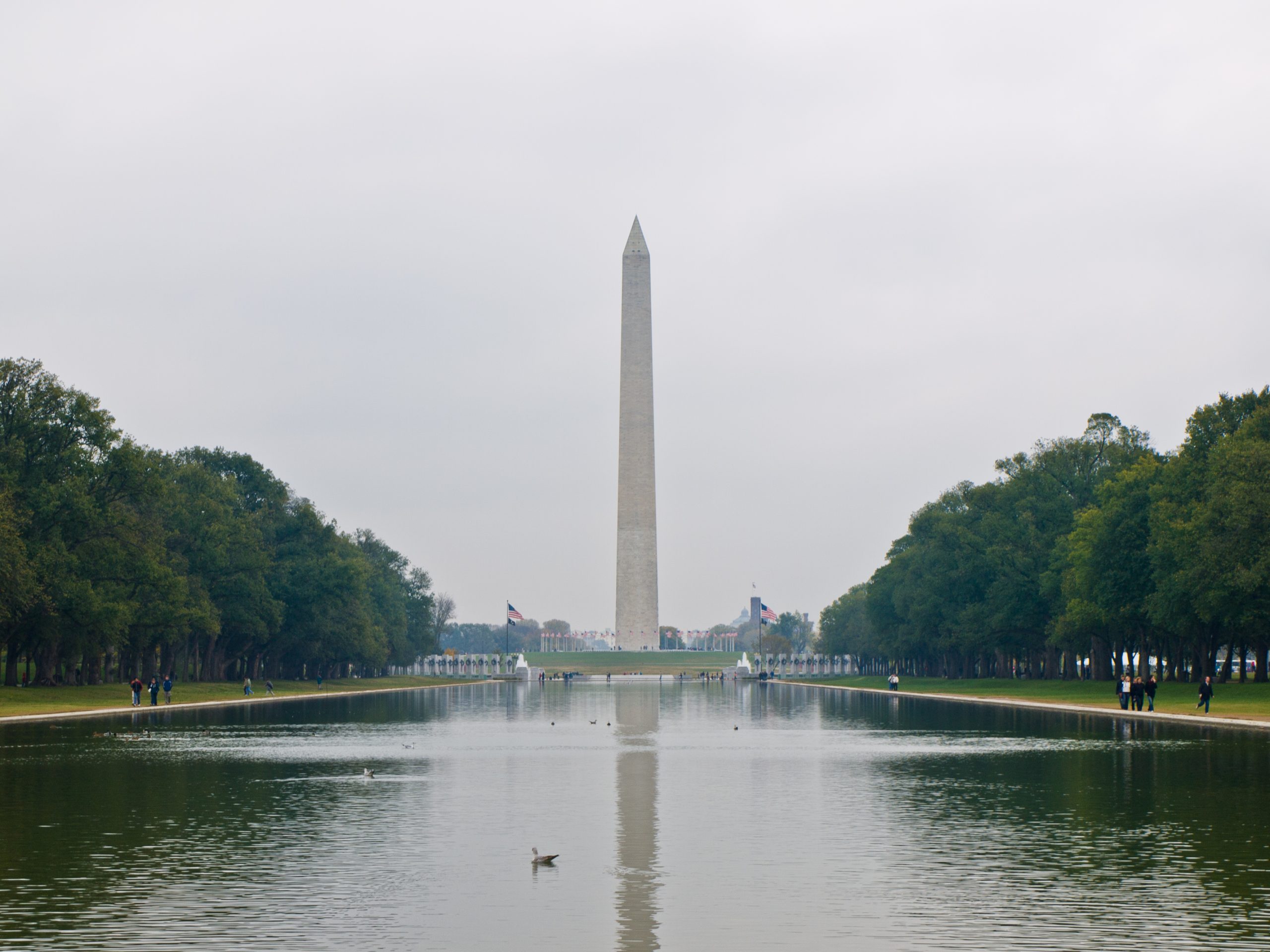
Then came the filing. According to NBC News, Pirro’s team acknowledged that the damage was “the result of” a flawed renovation rather than vandalism. That admission undercut the basis for the case and led prosecutors to drop it.
For prosecutors, dropping a case when the evidence no longer supports the charge is not unusual. For Trump, the public reversal appears to have landed differently: as an embarrassing retreat in a case attached to a highly visible national landmark.
That is why a relatively narrow filing has become a larger political fight. The issue is no longer only what happened at the Reflecting Pool. It is also whether Trump believes Pirro failed him politically by allowing the government to walk away.
Trump’s rebuke was unusually personal
Trump did not limit his criticism to the merits of the case. Reuters, NBC News and CBS News reported that he said Pirro “choked” by dropping it. CBS News also reported that Trump ignored questions about whether he intended to fire her.
CNN then reported that Trump is considering removing Pirro, citing two people familiar with his thinking. That does not mean a dismissal has happened, or that it is certain. It does mean the criticism has moved beyond a one-day complaint and into the realm of potential consequences.
Pirro is not a low-profile Justice Department official. CBS described her as Trump’s handpicked U.S. Attorney for the District of Columbia. That makes the rupture more politically striking: the anger is aimed not at an opponent, but at someone installed as part of Trump’s own law enforcement team.
The public nature of the rebuke matters, too. When a president attacks a prosecutor over a charging decision, it sends a message well beyond the individual case. Prosecutors inside the department may read it as a warning about decisions that collide with political expectations.
Why the case mattered politically
The Lincoln Memorial Reflecting Pool is not just a body of water. It is part of the symbolic landscape of the federal capital, appearing in major national ceremonies, protests and presidential imagery. A vandalism allegation there can easily become a law-and-order talking point.
That helps explain why the reversal drew attention. A case that initially suggested deliberate damage to a national landmark became, according to the filing as described by NBC News and CNN, a case about renovation problems. The shift weakened the narrative that someone had intentionally damaged a cherished public space.
There are two competing ways to see Pirro’s move. One view is that her office did what prosecutors are supposed to do: reassess the evidence and drop a case that no longer held up. The other is Trump’s apparent view, voiced in blunt terms, that the retreat showed weakness or poor judgment.
Those views are not just stylistic differences. They point to a deeper tension inside any administration that promises aggressive enforcement: what happens when the facts of a specific case do not support the political message attached to it?
The Justice Department tension
The Justice Department is part of the executive branch, and U.S. attorneys are appointed to carry out federal law enforcement priorities. But prosecutors also have professional obligations that require them to prove cases in court, not merely defend an administration’s public claims.
That makes the Reflecting Pool filing awkward for Trump. If the filing accurately reflected the evidence, Pirro’s team may have been avoiding a weaker or unsustainable prosecution. If Trump believes the office mishandled the case before that point, his anger may be directed at how the matter was investigated, charged or communicated.
What remains unclear is how directly Pirro was involved in the filing, what internal review took place before the case was dropped, and whether Trump’s frustration is based on the legal assessment itself or the political embarrassment that followed.
Also unclear: whether removing Pirro would solve anything. It could satisfy Trump’s anger in the short term, but it would also invite renewed scrutiny of how charging decisions are treated when they disappoint the White House.
Pirro’s future is now the story
At this point, no confirmed removal has been announced in the reporting cited by CNN, Reuters, NBC News or CBS News. The strongest reported development is that Trump is considering the move and has publicly criticized Pirro for the dropped case.
That leaves several possibilities. Trump could fire or replace her. He could keep her in place after a public warning. Or the episode could fade if the White House decides the fallout from removing a loyal, high-profile appointee is worse than the original embarrassment.
- If Pirro stays: the episode may still limit her room to make unpopular calls in future D.C. cases.
- If she is removed: the decision would turn a failed vandalism case into a broader fight over prosecutorial independence.
- If the administration says little: the unanswered questions around the filing and Trump’s anger will remain.
The immediate lesson is that the Reflecting Pool case was never too small to matter. Once the government’s own filing contradicted the vandalism theory, it created a public record that could not be easily spun away.
For Pirro, the risk is personal and professional. For Trump, the episode tests how far he is willing to go when a prosecutor he chose makes a decision that appears legally defensible to some observers but politically unacceptable to him.
What to watch next
The next signal will likely come from either the White House or the Justice Department. A formal personnel announcement would settle the immediate question. A statement defending Pirro or the filing would point in the opposite direction.
The court record also matters. If more of the filing becomes central to the debate, attention will turn to how prosecutors concluded that renovation problems, not vandalism, caused the damage. That factual trail could determine whether Pirro’s office looks cautious or careless.
For now, the story sits at the intersection of law, loyalty and public spectacle. A filing about the Lincoln Memorial Reflecting Pool has raised a much larger question in Washington: when the evidence changes, is a Trump-appointed prosecutor expected to change course — or hold the line?



Leave a Reply