
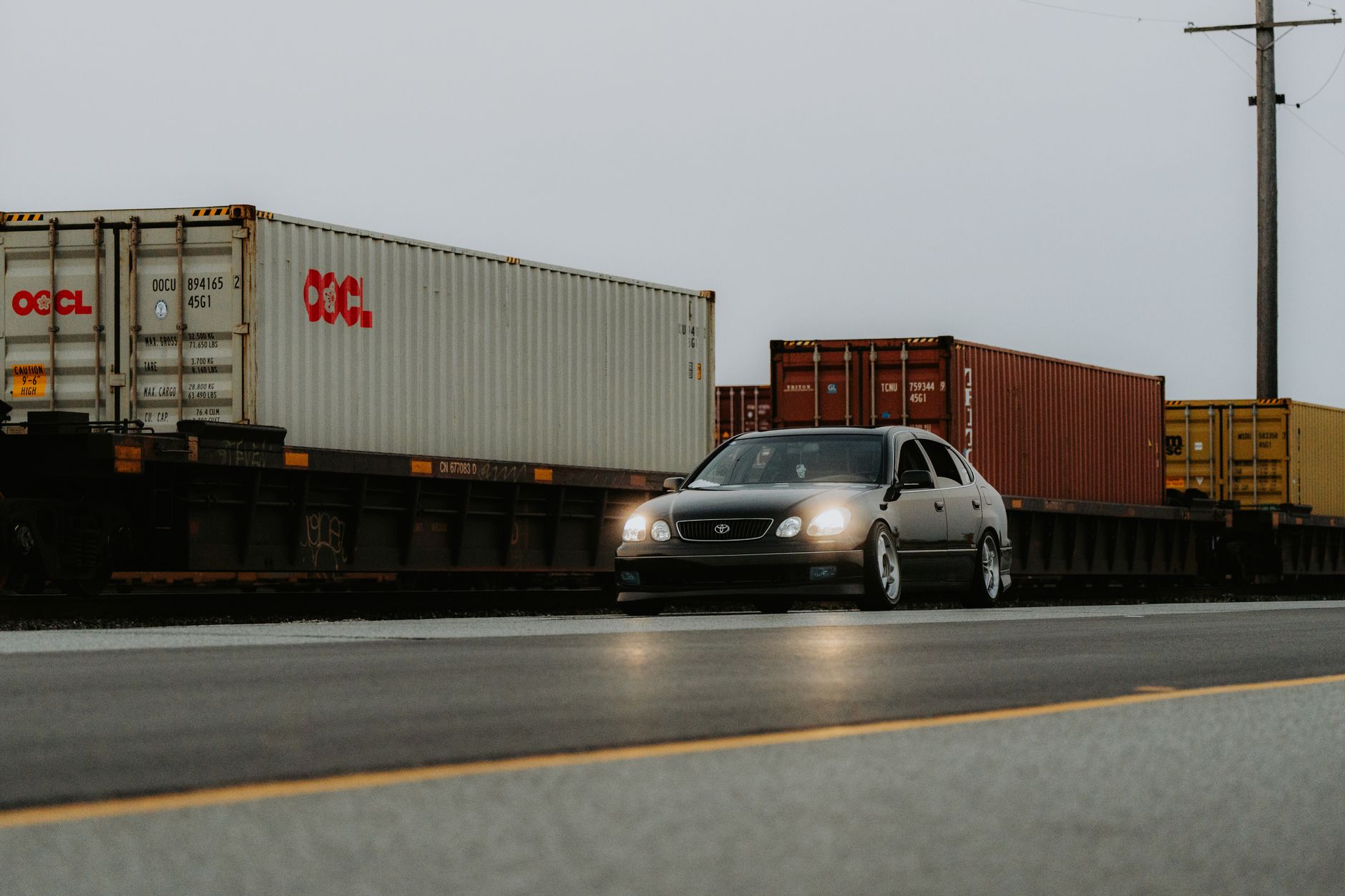
Toyota has become a political test case for Trump’s trade agenda. The same facts can look like leverage from the White House and a costly shock from inside the auto industry.
Donald Trump is turning Toyota into a proof point for one of his most disputed economic ideas: tariffs as leverage.
The political message is simple. The business reality is not. Recent reporting on Toyota’s tariff exposure shows a company navigating lower profit expectations, higher import costs and a still-uncertain trade deal between Washington and Tokyo.
Toyota becomes the tariff test
A Newsmax item syndicated through MSN framed Trump’s view bluntly, saying a Toyota move showed that tariffs are working. The headline fit a larger argument Trump has made for years: make imports more expensive, and companies and foreign governments will adjust in ways that benefit the United States.

But the available reporting around Toyota points to a more complicated ledger. Reuters reported that Toyota cut its annual profit estimate by 16%, citing tariffs and currency pressure. The Guardian reported that the world’s largest automaker warned of a 1.4 trillion yen hit tied to Trump’s trade measures, including vehicle import levies, higher material prices and the yen.
That means Toyota can be used in two very different political stories. For Trump, pain inside a foreign automaker can be cast as evidence that tariffs are forcing a response. For the auto industry, the same pain can look like a cost shock that eventually has to land somewhere.
That somewhere could be company margins, supplier contracts, dealer lots or consumer prices.
The numbers cut both ways
Toyota’s latest reported figures do not read like a clean victory lap. According to The Guardian, Toyota expected operating profit of 3.2 trillion yen for the financial year to March 2026, down from prior guidance of 3.8 trillion yen. Its operating profit fell nearly 11% to 1.17 trillion yen in the three months through June compared with the same period a year earlier.
Those numbers do not prove Trump’s claim wrong. Tariffs are designed to pressure companies and countries, and pressure often shows up first as lower margins or changed forecasts.
But they also do not prove the tariffs are working in the way most voters would measure success. A tariff policy can hit a foreign automaker’s earnings without automatically creating new U.S. jobs, lowering car prices or rebuilding domestic supply chains.
The distinction matters because a political claim about leverage is easier to make than an economic claim about outcomes. A company reacting to tariffs is not the same as a household benefiting from them.
Japan deal leaves loose ends
The Toyota story is tied to a broader U.S.-Japan trade framework. The Guardian reported that Japan’s baseline tariff rate rose from 10% to 15% under an agreement between Tokyo and Washington. Japanese automotive exports to the U.S. are expected to face a 15% tariff, down from earlier sector-specific levies that added up to 27.5%.
That reduction gives Trump an opening to argue that tariffs produced a better deal. It also gives automakers some relief compared with the higher rate they had faced.
Still, a lower tariff is not the same as no tariff. A 15% levy on vehicles remains a major cost in a business where pricing, supplier contracts and production planning are measured in fractions of a percentage point. The Guardian also noted that the timing for the changed automotive rate had not yet been announced.
Trump has also said Japan would invest $550 billion in the United States as part of the deal and open its market to U.S. products such as cars, trucks, rice and certain agricultural goods. Those pledges are politically powerful, but the details matter: when money arrives, who controls it, which industries benefit and whether consumers see any relief.
Auto tariffs rarely stay contained
Tariffs on cars and parts ripple through the economy because modern vehicles are built across borders. Parts may cross multiple countries before a finished car reaches a showroom. Reuters has described Trump’s auto tariffs as affecting hundreds of billions of dollars in U.S. vehicle and parts imports.
That scale is why Toyota is not just another corporate earnings story. If tariffs raise costs for imported vehicles or components, companies have only a few options. They can absorb the hit, raise prices, push suppliers for savings, shift production, reduce incentives or delay investment.
None of those choices is painless. Absorbing costs hurts profits. Raising prices hits buyers. Squeezing suppliers can strain smaller companies. Moving production takes years, not weeks.
The auto sector is also deeply important to Japan. The Guardian reported that the industry accounts for about 8% of jobs in Japan, while vehicles and automotive parts make up more than a quarter of the country’s exports to the United States. That helps explain why Toyota’s numbers have become part of a larger geopolitical fight.
Consumers may feel it later
For U.S. drivers, the tariff debate can feel abstract until it shows up in monthly payments. Cars are already expensive purchases, and even modest price increases can change buying decisions when interest rates, insurance and repair costs are high.
If automakers decide to pass along tariff costs, shoppers could see higher sticker prices or fewer discounts. If companies absorb the cost instead, the impact may show up in investment choices, product launches or jobs elsewhere in the supply chain.
There is also a timing problem. Tariffs can create immediate costs, while the promised benefits, such as new factories or expanded U.S. production, often take much longer to verify. That gap is where political spin thrives.
Toyota’s own performance adds another wrinkle. The Guardian reported that Toyota posted record first-half sales of 5.1 million vehicles, up 5.5%, helped by demand for hybrids. In other words, the company is not simply collapsing under tariff pressure. It is selling more vehicles while warning that trade policy is damaging profit expectations.
The real test comes next
Trump’s Toyota argument will be judged less by a headline than by measurable outcomes. If tariffs lead to durable U.S. investment, more domestic production and better trade access without sharply raising consumer costs, the White House will claim vindication.
If the main result is lower automaker profits, higher vehicle prices and more uncertainty for suppliers, Toyota will look less like proof of success and more like a warning sign.
For now, Toyota gives both sides something to point to. Trump can say tariffs forced movement. The company’s reported financial hit shows that the pressure is real. But pressure is not the same as progress.
The catch is that tariffs are a blunt tool. They can make companies react quickly, but they do not guarantee the reaction voters were promised. Toyota may be the latest exhibit in Trump’s tariff case, but the verdict is still out.









Leave a Reply