
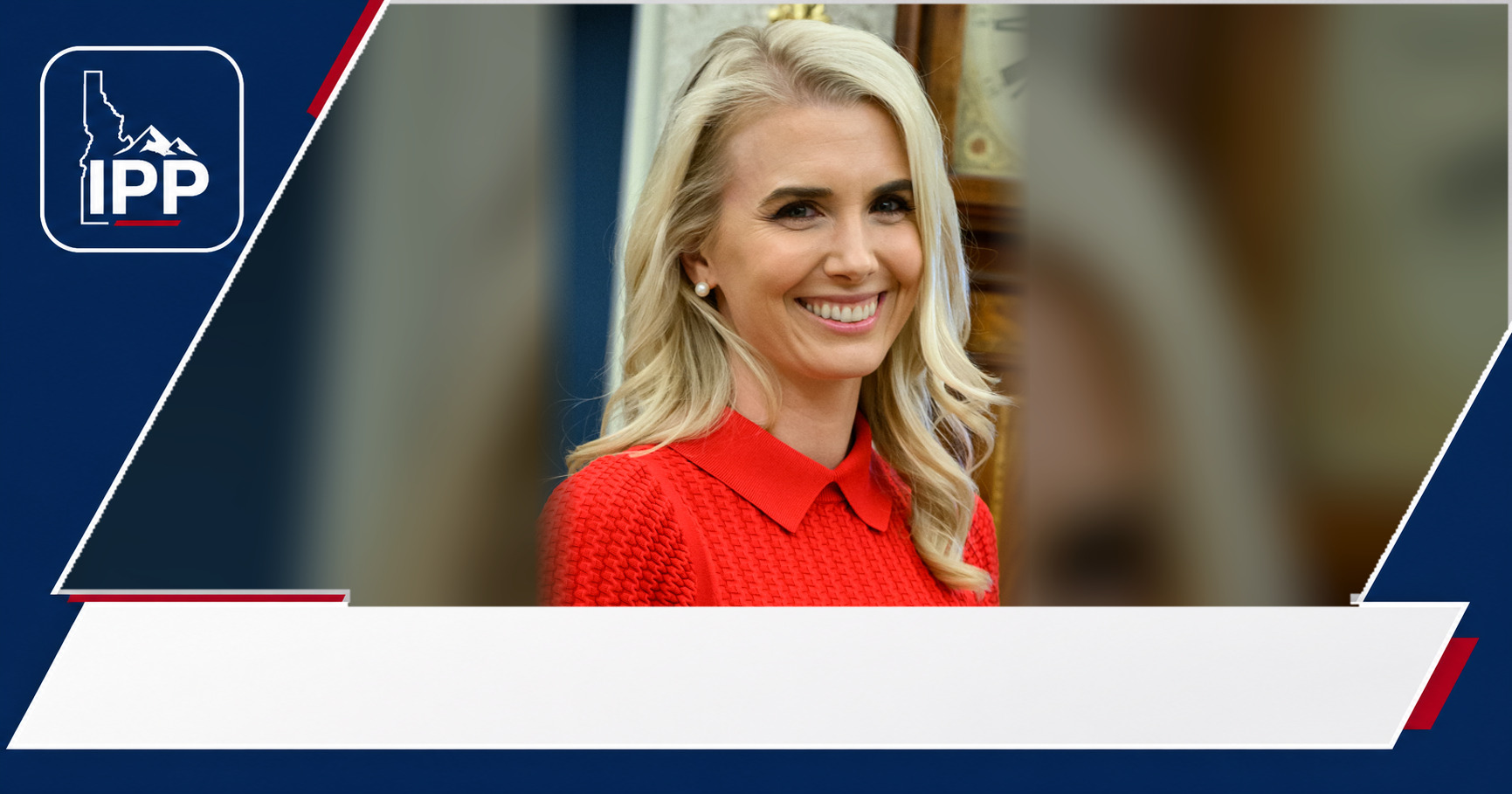
A report that Harp once rode in an SUV trunk to remain with Trump has drawn attention to a role defined by constant proximity. Her influence may rest less on a formal title than on controlling the flow of material that reaches the president.
Natalie Harp is a close aide to Donald Trump, and a CNN report says she has become a main conduit between Trump and the outside world. Harp once rode in an SUV trunk to accompany Trump, according to the report, an episode that has renewed attention on her unusually close place in his orbit.
The detail matters because access can be power in any White House. Harp’s role appears to center on being near Trump, supplying information and helping shape what reaches him—work that can carry major influence even when an aide’s official title is unclear.
Why the SUV account matters
The reported SUV-trunk episode is notable not simply because it is unusual. It is a vivid illustration of the degree to which Harp has been described as committed to staying close to Trump during travel and public events.
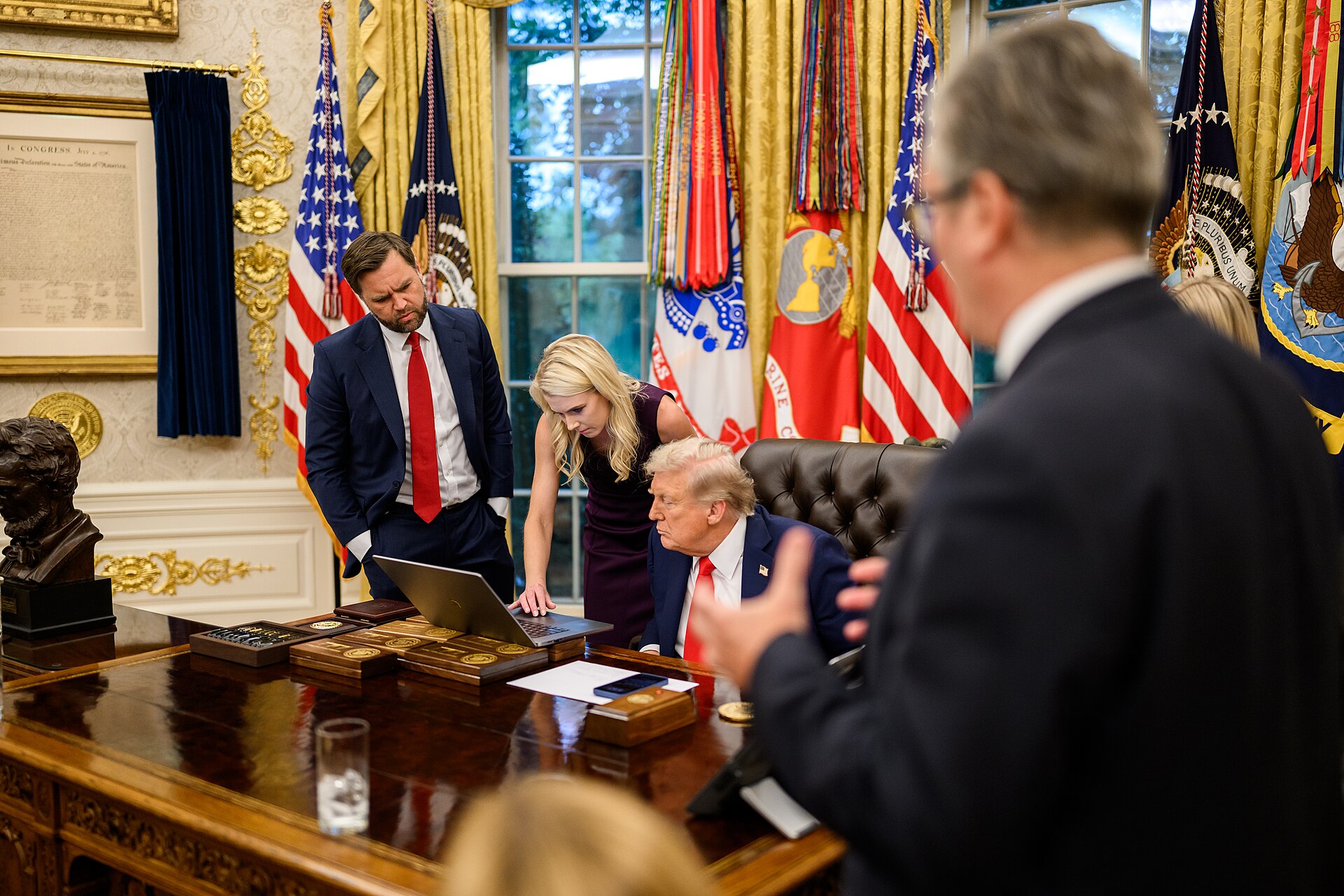
Presidents are surrounded by aides, security personnel, family members, political advisers and Cabinet officials. Few staff roles are as consequential, however, as the people who determine which documents, messages, news clips and requests get immediate attention.
That makes the story less about the vehicle itself than about the access it symbolizes. An aide who is consistently present can become an informal bridge between a president and the broader political, media and government worlds.
A gatekeeper without a spotlight
CNN described Harp as a main conduit between Trump and the outside world, citing sources. The New York Times reported in November 2024 that she was expected to help manage the stream of information to and from Trump while sitting near the Oval Office.
The Times said colleagues on the campaign called her the “human printer,” a reference to her reported habit of carrying a portable printer and battery pack so she could give Trump hard copies of material. That detail points to a practical but revealing task: translating the constant digital churn around a president into the material he actually sees.
Harp was described by the Times as a former anchor on a right-wing cable outlet who had become one of Trump’s closest aides. The report said she shared articles, text messages and other information with him, some of which could later be reflected in his social-media activity.
There is no need for a senior-sounding title for that kind of work to matter. The person who delivers information, flags a story or keeps a leader’s attention can have significant day-to-day influence over priorities and reactions.
The information flow is the issue
Every presidency relies on gatekeepers. Chiefs of staff, policy aides, schedulers and communications teams all filter an overwhelming volume of requests and information. The process is meant to help a president focus, but it also raises an enduring question: whose judgment is built into the filter?
Harp’s prominence has drawn notice because the accounts of her role emphasize both personal loyalty and constant access. The Times reported that some colleagues worried she was too willing to pass along conspiratorial material, including items from sources that frequently promote conspiracy theories.
That concern is important, but it should be distinguished from a claim that every item Harp relays is inaccurate or that she alone drives Trump’s decisions. The available reporting describes an aide with access and a role in information flow; it does not establish that she is the sole architect of policy, messaging or presidential views.
Supporters of a close aide could also see the arrangement differently: as a way to make sure Trump receives material quickly and from someone he trusts. In a political operation where loyalty is highly valued, a trusted messenger may be viewed as more effective than a large, layered bureaucracy.
Trump’s preference for trusted aides
Trump has long operated with a small circle of people he trusts personally, alongside a much larger formal structure. That approach can elevate aides whose influence is based on familiarity, responsiveness and a demonstrated ability to anticipate what he wants.
The Times’ 2024 account described Harp as nearly always at Trump’s side during the campaign. It also reported that, while Trump played golf in Scotland, she ran behind his cart to keep him updated on favorable stories and social-media posts.
Those accounts help explain why the latest report has attracted attention. They portray a staffer whose work is not confined to a traditional office or a narrow policy portfolio. Instead, Harp’s value appears tied to portability: staying close, moving quickly and keeping a continuous stream of material in front of Trump.
That kind of role can be difficult for outsiders to measure. Formal organizational charts show titles and reporting lines; they do not always show who has the president’s ear at a particular moment.
Questions that still remain
The public reporting does not fully define Harp’s current formal responsibilities, decision-making authority or place within the White House hierarchy. It is also unclear how her work is divided among other aides handling communications, scheduling, policy and presidential correspondence.
Those distinctions matter. Passing along information is different from setting policy, and offering political material is different from supervising the official work of government. The boundaries can blur when an adviser’s personal access is unusually strong.
The scrutiny surrounding Harp is therefore likely to continue not because of one extraordinary travel anecdote, but because it offers a window into a larger issue: who has the ability to shape the information environment around Trump.
Access is its own kind of power
Natalie Harp’s story underscores a basic reality of presidential politics. Influence does not always belong to the most visible official, the most senior Cabinet member or the person with the grandest title.
Sometimes it belongs to the aide who is present when the phone rings, who knows what to print, and who can place an article or message directly in front of the president. The report that Harp rode in an SUV trunk to stay with Trump may be the most memorable detail, but the larger significance is the unusually close access it represents.




Leave a Reply